Gandaki Province Legalizes Ride-Sharing: 2026 Rules & Fee Structure

26th January 2026, Kathmandu
In a significant move for urban mobility and the digital economy, the Gandaki Province government has officially greenlit the implementation of ride-sharing services.
Gandaki Province Legalizes Ride-Sharing
This decision, finalized during a provincial cabinet meeting on Magh 4, 2082 (January 17, 2026), marks the end of a long-standing legal “gray area” that had previously pitted provincial initiatives against federal objections.
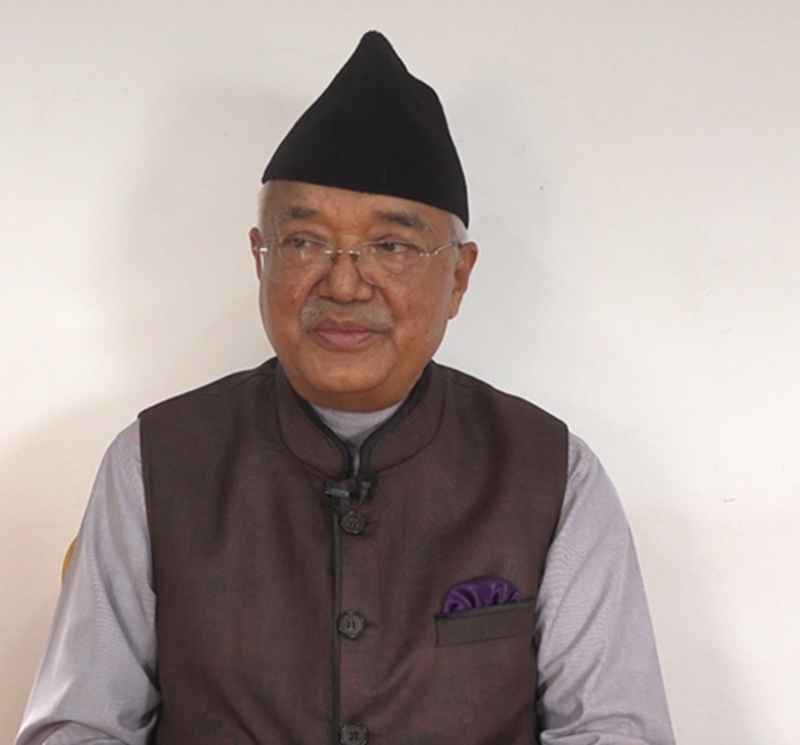
Chief Minister Surendra Raj Pandey emphasized that the newly amended regulations aim to resolve past ambiguities, providing a clear legal pathway for private “red-plate” vehicles to operate as public transport under specific standards.

Key Provisions of the New Gandaki Ride-Sharing Rules
The amended Ride-Sharing Transport Regulation introduces a structured framework designed to balance innovation with public safety and fair competition.
1. Defined Operational Limits
The government has introduced distance and capacity caps to ensure services remain local and manageable:
Four-Wheelers: Limited to a 50-kilometre operational radius. Only vehicles with a seating capacity of five seats are eligible.
Two-Wheelers: Restricted to a 20-kilometre service limit.
No Mandatory Logo: In a move to simplify the process for private owners, the requirement to affix a physical “Ride Sharing” logo to vehicles has been removed.
2. Reduced Fee Structure & Revenue Sharing
To encourage registration and formalize the sector, the provincial government has slashed annual fees:
Two-Wheelers: Annual service fee reduced from NPR 5,000 to NPR 2,500.
Advertisement

Four-Wheelers: Annual service fee reduced from NPR 20,000 to NPR 10,000.
Provincial Fund: Service provider companies are now required to deposit 2% of their total transaction volume into the Provincial Consolidated Fund (up from the previously proposed 1%).
3. Strict Penalties for Non-Compliance
To protect the integrity of the regulated system, the government has established heavy fines for “offline” or unauthorized activities:
Unlicensed Operation: A flat fine of NPR 100,000 for companies operating without provincial permission.
Offline Passengers: Traffic police can recommend fines of NPR 4,000 for two-wheelers, and NPR 10,000 for four-wheelers found carrying passengers outside of the official app.
Breaking the Federal Stall
The journey to this legalization was not without hurdles. The process was stalled for nearly eight months due to circulars from the federal government requesting a halt.
However, citing the constitutional authority of provinces over local transport management, the Gandaki government has moved forward, ensuring that Nepalese entrepreneurs and commuters in cities like Pokhara have access to modern, regulated transport.
Conclusion: Regulation Over Restriction
The legalization of ride-sharing in Gandaki sends a powerful message to the Nepalese tech ecosystem: Technology and platforms should not be banned; instead, the process and content must be regulated. Banning innovative services only drives them underground, creating safety risks and depriving the state of revenue.
By implementing strict safety standards such as mandatory insurance, 24/7 complaint centers, and driver training, the Gandaki government is proving that the best way to manage digital disruption is through smart, inclusive legislation rather than outright prohibition.
For more: Gandaki Province Legalizes Ride-Sharing