CIAA Raid Chabahil Office Over License Corruption Concerns

28th January 2026, Kathmandu
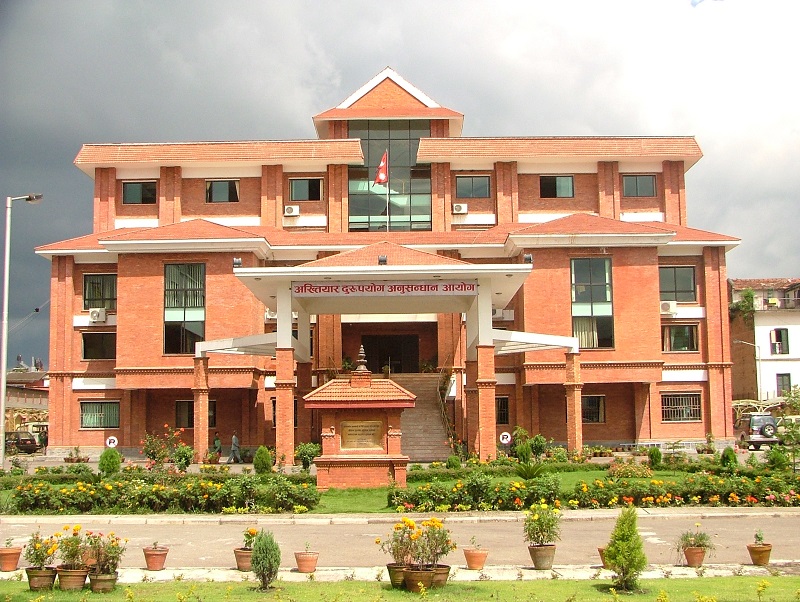
In a major blow to administrative corruption, the Commission for the Investigation of Abuse of Authority (CIAA) conducted a high profile CIAA Raid Chabahil Office at the Transport Management Office on January 27, 2026. This surprise operation targeted long standing allegations of a “setting” or systemic bribery scheme within the driving license examination process. As one of the busiest public service centers in Kathmandu, the Chabahil office has long been under the radar of anti graft bodies, but this latest raid marks one of the most significant interventions in recent years, specifically focusing on the illegal manipulation of written exam results.
CIAA Raid Chabahil Office
The investigation primarily centers on the unauthorized re registration of failed candidates. According to preliminary reports, staff members at the Chabahil office were allegedly bypassing the mandatory three month waiting period required for those who fail their written tests. By accepting bribes through intermediaries, officials were reportedly allowing failed applicants to retake the exams within days, undermining the integrity of the national licensing system and posing a direct threat to road safety.

Allegations and the Mechanism of the Bribe
The CIAA Raid Chabahil Office was initiated following specific intelligence that office staff were working in collusion with local “middlemen” or agents. These agents would identify candidates who had failed the written examination and offer them a “guaranteed pass” or an immediate retest for a fee ranging from NPR 5,000 to NPR 10,000.
The mechanism was simple yet effective: the physical answer sheets were allegedly replaced or the digital entries in the Electronic Driving License and Vehicle Registration System were altered. This allowed ineligible individuals to proceed to the “trial” (practical) phase of the examination long before they were legally allowed to do so. The CIAA believes that hundreds of candidates may have obtained their licenses through this fraudulent method over the past six months alone.
Senior Officials Under Investigation
Unlike routine inspections, this CIAA Raid Chabahil Office focused on the highest levels of local management. The Office Chief, Peshal Kumar Pokharel, is currently the primary subject of the investigation. CIAA officials have confirmed that they are scrutinizing his role in overseeing the examination department and whether he provided administrative cover for the bribery racket.
Evidence Seized During the Operation:
25 Mobile Phones: The CIAA took control of smartphones belonging to 17 employees, including Pokharel. These devices are being sent to the CIAA’s digital forensic lab to uncover WhatsApp messages, call logs, and digital payment records (eSewa/Khalti) linked to middlemen.
Advertisement

Answer Sheets and Registers: Multiple bags of official documents, specifically those related to recent written examinations, were seized to check for tampering and mismatched dates.
Traffic Police Coordination: Interestingly, the raid also led to the seizure of mobile phones from on duty traffic police personnel, including Assistant Sub-Inspector Dorhari Nepal, to investigate potential collusion between transport staff and enforcement officers.
Systemic Corruption in Transport Management
The CIAA Raid Chabahil Office is part of a larger, nationwide crackdown on fake driving licenses. In late 2025, a separate investigation by the Department of Transport Management (DoTM) revealed that over 100,000 licenses issued between 2015 and 2023 were potentially fake or issued without the applicants passing the required tests.
This environment of “paid success” has drawn sharp criticism from road safety experts. They argue that when licenses are sold rather than earned, the number of accidents on Nepal’s highways inevitably rises. The Chabahil raid serves as a warning that the “business as usual” approach to corruption in public service delivery is no longer being tolerated.
Legal Consequences and the Path Forward
Under the Prevention of Corruption Act, 2002, the officials implicated in the CIAA Raid Chabahil Office could face severe penalties. If the charge sheet proves “misuse of authority” and “illegal financial gain,” the accused could face several years of imprisonment, heavy fines equivalent to the bribe amounts, and a permanent ban from holding any public office in the future.
The CIAA has urged the public to refrain from using middlemen and to report any demands for bribes directly to their hotline (106). As the digital forensics team processes the seized mobile phones, more arrests are expected in the coming weeks, potentially reaching higher up into the Department of Transport Management.
Conclusion
The CIAA Raid Chabahil Office is a significant step toward restoring public trust in Nepal’s administrative institutions. By targeting the “license mafia,” the CIAA is sending a clear message: the safety of Nepal’s roads and the integrity of its digital systems are not for sale. For the thousands of honest service seekers who wait months for their turn, this raid provides hope that meritocracy may finally replace the culture of “settings” in Kathmandu’s transport offices.
For More: CIAA Raid Chabahil Office Over