
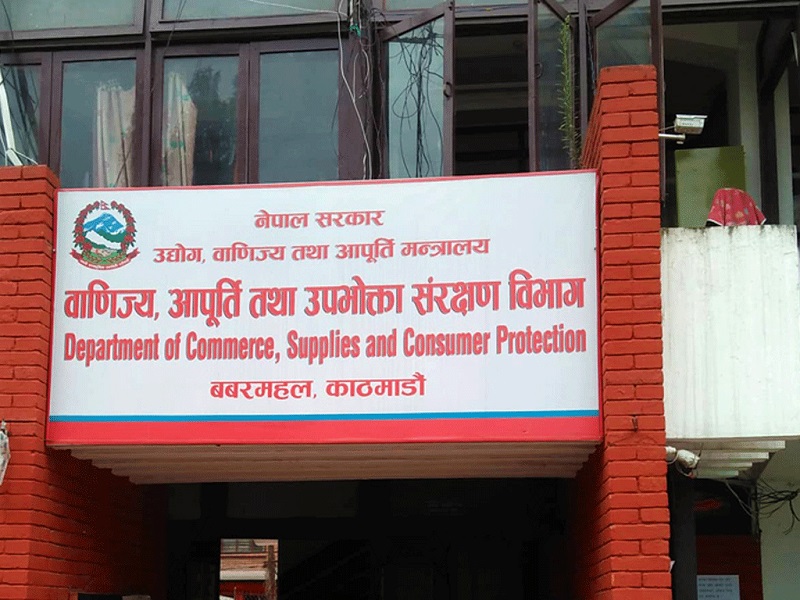
Daily Consumer Price Adjustment directive issued by department

5th February 2026, Kathmandu
The Department of Commerce Supply and Consumer Protection has issued a formal directive to producers importers and distributors to adjust abnormal price increases in daily consumer goods. This move follows growing public concern over the rising cost of essential commodities and reports of supply shortages in the market.
Daily Consumer Price Adjustment
In an official press release issued on Wednesday February 4 2026 the department emphasized the urgent need to curb unnecessary price hikes and maintain a competitive and transparent market system. This directive is a core component of the governments broader effort to protect consumer rights and stabilize the prices of essential goods during a volatile economic period.

Background of the Regulatory Directive
In recent weeks consumers and media outlets have highlighted sharp increases in the prices of daily necessities such as cooking oil gas rice and other food items. These reports often pointed to irregular supply patterns which further contributed to market instability.
The department took serious note of these complaints and summoned major producers and key importers of food grains and edible oils. During these interactions officials instructed businesses to refrain from charging unfair profit margins and to ensure that essential goods are available at reasonable prices.
Instructions for Market Stakeholders
The departments directive specifically targets businesses involved in the production import storage and distribution of essential consumer goods. Key points from the instruction include:
Immediate adjustment of prices that have risen without a justified cost based reason.
Requirement for stakeholders to ensure a smooth supply chain and avoid any form of hoarding.
Strict adherence to ethical business practices to prevent artificial scarcity.
Mandate to provide immediate relief to consumers by addressing unreasonable price points.
Focus on Essential Commodities
The price adjustment directive focuses on items that have the most direct impact on household expenses. This includes cooking gas rice and edible oil. Because these goods represent a large portion of monthly spending even minor increases can significantly affect low and middle income families. By targeting these specific commodities the department aims to minimize inflationary pressure and prevent consumer exploitation during market fluctuations.
Legal Framework and Penalties for Non Compliance
The department reiterated its commitment to enforcing the Consumer Protection Act 2075 and the Consumer Protection Regulation 2076. These laws provide a legal guarantee for consumers to access quality goods at fair prices.
Advertisement

According to the existing legal framework businesses found violating these regulations may face significant consequences. Potential penalties include:
On spot fines ranging from 5000 to 300000 NPR for overcharging or unfair trade practices.
Imprisonment for terms ranging from one to five years depending on the severity of the violation.
Seizure of goods and potential closure of the business entity.
Legal action for misleading advertisements or tampering with price labels.
Market Monitoring and Enforcement Strategy
To ensure the directive is followed the department has intensified joint market monitoring activities. These inspections are coordinated with other government agencies and cover the entire supply chain from producers and wholesalers to retail outlets.
Monitoring teams are focusing on tracking price movements and identifying malpractices such as black marketing or misleading pricing. These regular inspections serve as a deterrent against unethical behavior and help verify that purchase and sale bills match the retail prices being charged.
Impact on the Economic Ecosystem
For consumers this directive is expected to provide short term relief by stabilizing prices and improving the availability of essential goods. It also reinforces public confidence in regulatory authorities.
For businesses the directive serves as a reminder to operate with transparency. While cost based price adjustments are permitted under the law arbitrary increases intended only for profit maximization at the expense of the public will not be tolerated. Maintaining price stability is critical for preserving purchasing power and preventing social dissatisfaction.
Conclusion
The issuance of the Daily Consumer Price Adjustment directive reflects a proactive stance by the government to address market distortions. Through a combination of regulatory oversight legal enforcement and coordinated inspections the department seeks to protect consumers and ensure a fair marketplace. As these measures continue both consumers and ethical market participants are expected to benefit from a more stable and transparent economic environment.
For More: Daily Consumer Price Adjustment