Nepal’s Eye Care Revolution: How a Community-Led Model Exceeds WHO Standards

6th February 2026, Kathmandu
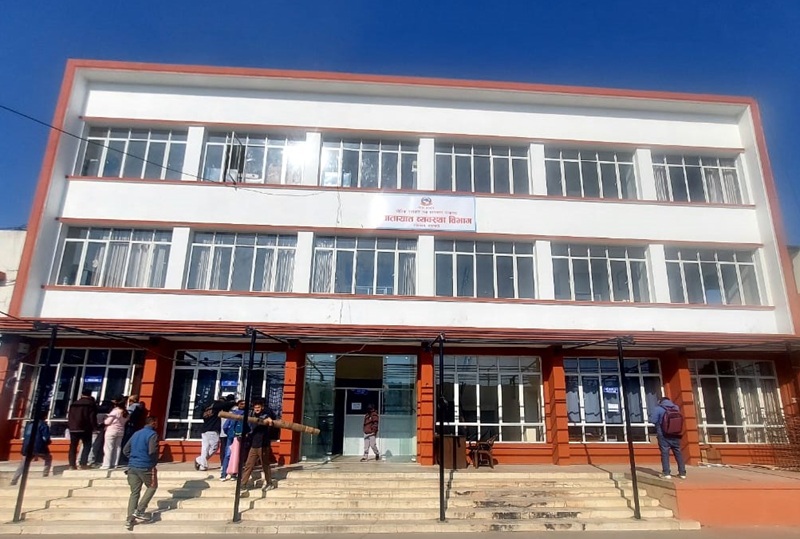
The corridors of Biratnagar Eye Hospital tell a story of regional hope. Patients from across the border sit patiently with slips in hand, some resting on the floor after long journeys.
Nepal’s Eye Care Revolution
This hospital, a crown jewel of the Nepal Netra Jyoti Sangh (NNJS), has evolved from a local clinic into one of the largest and most reliable eye care providers in South Asia.
The numbers for 2025 are staggering: 700,000 patients treated and 70,000 surgeries performed in a single year. Perhaps most notable is the hospital’s international appeal, 46% of its outpatients are foreigners, primarily from India, with a growing number of visitors from Bangladesh and Bhutan.

A Nationwide Network of Sight
While Biratnagar is a major hub, the NNJS operates a massive infrastructure dedicated to eradicating avoidable blindness:
Koshi Province: 22 iCare centers, including surgical facilities in Itahari and Ilam.
National Reach: 28 eye hospitals, 224 iCare centers, and branches across 45 districts.
Foreign Patient Surge: Between 2019 and 2024, the influx of international patients rose steadily, surpassing 900,000 in 2024 alone.
In terms of surgical volume, foreigners now outpace Nepalese citizens. In 2024, out of nearly 260,000 surgeries nationwide, over 162,000 were performed on foreign nationals, cementing Nepal’s status as a medical tourism destination.
The Power of Community Over Government
Nepal’s eye care success is a unique “bottom-up” model. While many national health systems rely on state funding, Nepal’s ophthalmology sector is driven by NGOs and community support:
Advertisement

Funding Split: Only 1% of funding comes from the government; a massive 80% is sourced from donors and NGOs.
Strategic Partnerships: Long-standing collaborations with organizations in India and Switzerland helped train a world-class workforce.
Skilled Workforce: Nepal currently boasts 1,400 ophthalmologists and 2,400 assistants, exceeding World Health Organization (WHO) standards for the population size.
The Legacy of Tilganga and Dr. Sanduk Ruit
No discussion of Nepalese eye care is complete without mentioning Dr. Sanduk Ruit. Trained through international partnerships, Dr. Ruit founded the Tilganga Institute of Ophthalmology. His revolutionary low-cost lens production has not only restored sight to millions but has also turned Nepal into an exporter, sending high-quality intraocular lenses to more than 40 countries.
40 Years of Self-Reliance
The foundation for this success was laid in 1978 by nine visionaries, including Dr. Ram Prasad Pokhrel. Their strategy was simple but effective:
Workforce Development: Training locals to be self-reliant.
Rural Outreach: Bringing surgery to those who cannot travel.
Local Generosity: Many hospitals are situated on land donated by local communities, demonstrating that the Nepalese people are the primary stakeholders in this success.
Today, Nepal stands as a beacon of affordable, high-quality medical care. By providing sight to its neighbors, the country is not only fulfilling a humanitarian mission but also making a significant contribution to its national economy.
For more: Nepal’s Eye Care Revolution