
Health Insurance National Priority Program Plan

9th February 2026, Kathmandu
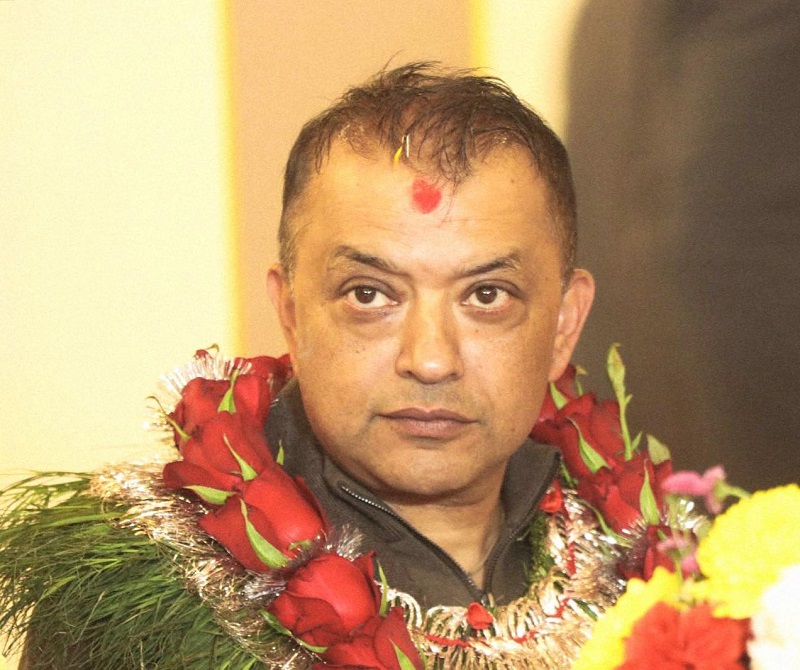
The Health Insurance National Priority Program Nepal has emerged as a central reform agenda proposed by Gagan Thapa, General Secretary of the Nepali Congress and former Health Minister. Against the backdrop of the upcoming House of Representatives elections on March 5, 2026 (Falgun 21, 2082), Thapa has pledged to elevate health insurance to a “Project of National Pride,” a status typically reserved for massive infrastructure works like the Upper Tamakoshi or Pokhara Airport.
Health Insurance National Priority
This proposal arrives at a critical juncture. As of February 2026, the national health insurance scheme is facing a severe financial crisis, with the Health Insurance Board owing over NPR 10.5 billion in outstanding dues to more than 500 hospitals across Nepal.

The Current Crisis: Debt and Service Capping
The urgency for a “National Priority” status stems from the systemic failure of the current funding model. The gap between the premiums collected and the actual cost of healthcare has led to significant service disruptions.
Payment Delays: Major institutions like Tribhuvan University Teaching Hospital (TUTH) have periodically suspended insurance services since mid-January 2026 due to pending claims—TUTH alone is owed approximately NPR 400 million.
Outpatient (OPD) Ceiling: To curb runaway expenses, the government is implementing a new cap on February 13, 2026. Outpatient services, which previously shared the NPR 100,000 annual limit, will now be capped at NPR 25,000 per person.
The Funding Gap: While the government allocated NPR 10 billion and collected roughly NPR 4 billion in premiums, annual expenses have surged past NPR 24 billion, leaving a massive deficit.
Thapa’s Four Pillars of Reform
To move beyond the current “charity model” and toward a “security model,” Thapa has outlined a five-year blueprint based on four strategic pillars.
1. Mandatory Universal Coverage
The proposed model seeks to end voluntary enrollment. By making insurance compulsory for all citizens, including those in the informal sector, the program creates a larger risk pool. The state would fully subsidize premiums for the ultra-poor, senior citizens, and persons with disabilities.
2. Alternative Funding (The Sin Tax Model)
Relying solely on general treasury grants and basic premiums is no longer viable. Thapa’s plan involves:
Advertisement

Dedicated Sin Taxes: Increasing taxes on tobacco, alcohol, and sugary drinks, with revenue channeled directly into the Health Insurance Fund rather than the general budget.
Formal Sector Contributions: Deducting 2 percent of salaries from formal sector employees (civil servants, teachers, private sector staff), which could generate an additional NPR 8 to 10 billion annually.
3. Integration of Social Security
Currently, health benefits are scattered across the Social Security Fund (SSF), Employees Provident Fund (EPF), and various individual ministry funds. The “National Priority” model proposes a Single Window System to integrate these funds, reducing administrative duplication and maximizing the purchasing power of the Health Insurance Board.
4. Digital Governance and Transparency
To address the “fake claims” issue that previously led to the suspension of some private hospital contracts, the plan emphasizes a Real-Time Digital Claim System. This would automate the verification of hospital claims, ensuring that providers are paid within 15–30 days and minimizing financial leakage.
Looking Ahead: The 5-Year Roadmap
If his party takes the lead following the March 2026 elections, Thapa has promised a phased expansion:
Phase 1 (Year 1): Stabilize the board and clear the current NPR 10.5 billion debt to resume full hospital services.
Phase 2 (Years 2-3): Expand the “Facility Bag” (medicine list) and increase basic coverage.
Phase 3 (Year 5): Transition to a system where all treatment costs are covered, excluding a specific “negative list” of luxury services.
Conclusion
The transformation of health insurance into a National Priority Program represents a shift from incremental fixes to a radical overhaul of Nepal’s social contract. While critics point to the failure of the initial 2017 rollout to remain financially stable, the current proposal addresses the “missing pieces” of the original plan—specifically mandatory enrollment and dedicated tax funding. For the 10 million Nepalis already enrolled, the success of this reform will determine whether their insurance card remains a valid guarantee of care or merely a piece of plastic.
For More: Health Insurance National Priority


