
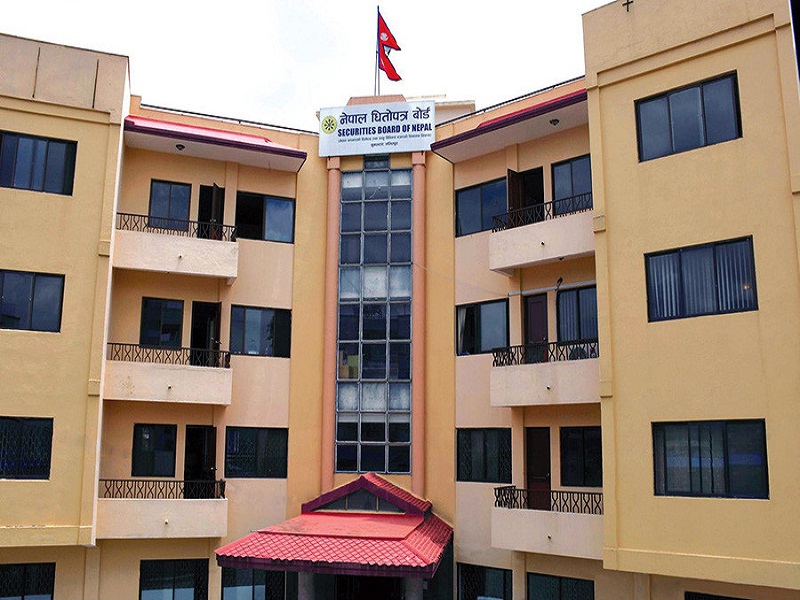
SEBON Margin Trading Guidelines Effective From Fagun 1

11th February 2026, Kathmandu
The Securities Board of Nepal (SEBON) has officially approved the Margin Trading Facility Directive, 2082, effectively replacing the outdated framework of 2074. These new guidelines, set to come into effect from Fagun 1, 2082 (February 13, 2026), aim to modernize the capital market by providing a transparent, regulated environment for leveraged trading through licensed stockbrokers.
SEBON Margin Trading Guidelines
The introduction of these rules is expected to increase market liquidity and allow investors to expand their trading capacity while adhering to strict risk management protocols.

Eligibility Criteria for Marginable Shares
SEBON has established specific financial and structural benchmarks to ensure that margin trading is limited to stable, high-quality companies. Only shares meeting the following criteria are eligible:
Public Float: At least 2.5 million ordinary shares must be listed on NEPSE (excluding those in the lock-in period).
Net Worth: The company’s net worth must be equal to or higher than its paid-up capital.
Profitability: The company must have reported a positive net profit in at least two of the last three fiscal years.
Listing History: At least two years must have elapsed since the company’s Initial Public Offering (IPO).
These measures are designed to prevent excessive speculation in financially weak or “shell” companies, thereby protecting investors from extreme volatility.
Requirements for Eligible Brokers
Not all brokerage firms are authorized to offer margin facilities. To provide these services, a broker must meet rigorous capital and operational standards:
Paid-up Capital: A minimum of NPR 20 crore (Rs 200 million).
Memberships: Must hold active clearing membership and be a licensed Depository Participant (DP).
Lending Capacity: Brokers can provide margin facilities up to five times their certified net worth.
Advertisement

Exposure Limits: Total margin provided to a single client or their immediate family members cannot exceed 10 percent of the broker’s total margin portfolio.
Margin Ratios and Risk Management
The 2082 directive introduces a structured “Mark-to-Market” (MTM) mechanism to manage daily risk. Investors and brokers must adhere to the following margin levels:
Initial Margin: Investors must deposit at least 30 percent of the total value at the time of purchase.
Maintenance Margin: A minimum level of 20 percent must be maintained daily.
Margin Calls: If the value of the shares falls such that the margin drops below the 20 percent threshold, the broker will issue an immediate margin call.
Liquidation: Failure to meet a margin call within the stipulated timeframe empowers the broker to liquidate the pledged shares to recover the outstanding loan.
Funding and Transparency
Brokers are permitted to fund their margin lending through several sources, including their own capital, bank loans, or unsecured loans from shareholders and directors. However, total borrowings for margin purposes are capped at 4.5 times the broker’s net worth.
To ensure transparency:
Brokers must maintain separate margin trading accounts and margin demat accounts.
Daily reports of margin transactions must be submitted to NEPSE.
An annual audit of all margin trading activities is mandatory, with the report submitted to SEBON within three months of the fiscal year-end.
Conclusion
The SEBON Margin Trading Guidelines 2082 represent a significant structural reform for Nepal’s secondary market. By shifting the burden of margin lending from the banking sector (via traditional share loans) to the brokerage industry, SEBON is fostering a more specialized and disciplined investment environment. For investors, Fagun 1 marks the beginning of a more flexible way to manage portfolios, provided they maintain the discipline required by the new maintenance margin rules.
For More: SEBON Margin Trading Guidelines