
Cyber Bureau Complaint Filed Against 290 Misleading Contents

22nd February 2026, Kathmandu
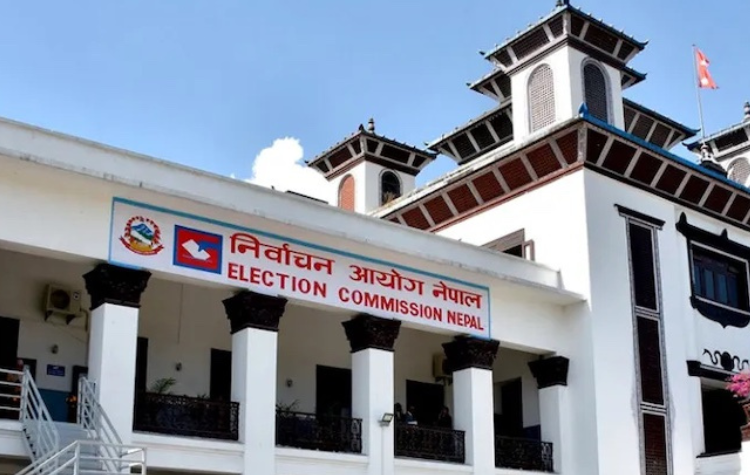
The digital landscape in Nepal is witnessing an unprecedented regulatory crackdown as the Election Commission of Nepal (ECN) initiates formal legal proceedings against 290 content producers and distributors. On February 22, 2026 (Falgun 11, 2082), the commission announced that it has formally registered complaints with the Nepal Police Cyber Bureau to address the surge of misleading and harmful information circulating on social media platforms. These actions have been taken under the Electronic Transactions Act 2063, a robust legal framework designed to govern digital activities and penalize the dissemination of deceptive electronic content. As the nation moves closer to the general elections, the commission is prioritizing the protection of electoral integrity by targeting those who attempt to manipulate public opinion through digital disinformation, hate speech, and fraudulent media.
Cyber Bureau Complaint Filed
The Cyber Bureau Complaint Filed process is a direct response to the monitoring efforts of the Information Integrity Promotion Unit, a specialized cell established under the Election Information Communication and Coordination Center. This unit has been tasked with scanning various social media portals, including Facebook, TikTok, and YouTube, for content that violates the Election Code of Conduct. The 290 cases identified represent a wide spectrum of digital offenses, ranging from the creation of fake news stories about candidates to the distribution of doctored ballot paper images intended to confuse voters. By invoking the Electronic Transactions Act, the authorities have the power to impose significant fines and imprisonment on those found guilty of using electronic means to spread falsehoods that could incite public disorder or influence the outcome of the democratic process.
The commission’s strategy involves a sophisticated multi-agency coordination to ensure that no digital platform remains a lawless zone. In addition to the 290 cases referred to the Cyber Bureau, the Election Commission has forwarded 11 cases to the Nepal Telecommunications Authority (NTA) for action under the Telecommunications Act 2052. These cases typically involve the misuse of telecommunication networks for unauthorized political campaigning. Furthermore, 65 cases involving professional journalists and registered media outlets have been recommended to the Press Council Nepal for disciplinary action under the Press Council Act 2048. There is also one significant case referred under the Advertisement Regulation Act 2076 concerning illegal paid political promotions. This integrated approach ensures that whether the misinformation comes from an anonymous social media handle or a recognized news portal, there is a specific legal channel to address the violation.
While enforcement remains a top priority, the Election Commission is simultaneously running a massive nationwide voter education campaign to act as a counterweight to misinformation. From Falgun 3 to Falgun 17, over 6,743 ward-level volunteers have been mobilized across 753 local levels. These volunteers are conducting door-to-door outreach to ensure that voters are not only aware of their rights but are also technically proficient in the voting process. A major focus of this campaign is the reduction of invalid votes, which has been a recurring challenge in previous elections. By providing hands-on demonstrations with sample ballot papers and explaining the proper way to use the swastika stamp, the commission hopes to ensure that every cast vote is counted. This grassroots education serves as the best defense against digital content that attempts to misguide voters on where and how to mark their ballots.
Advertisement

The significance of these measures ahead of the 2082 elections cannot be overstated. In an era where deepfakes and AI-generated content can be created in minutes, the threat of digital manipulation is a global concern. For a developing democracy like Nepal, the stakes are even higher as digital literacy rates vary across different regions. The proactive filing of complaints with the Cyber Bureau sends a clear message to content creators and influencers that digital platforms carry real-world legal accountability. The Election Commission has emphasized that while freedom of expression is a fundamental right, it does not include the right to spread deliberate lies that undermine the sovereignty of the electoral process or the peace of the nation.
For the 290 individuals and entities currently under investigation, the legal journey ahead will be rigorous. The Cyber Bureau will perform digital forensics to trace the origin of the harmful content and verify the identity of those behind the accounts. Under the Electronic Transactions Act 2063, penalties for such offenses can include fines ranging from 50,000 to 100,000 rupees and potential jail time of up to five years, depending on the severity of the misinformation and its impact on public security. This development serves as a critical warning to all social media users in Nepal to verify information before sharing and to report any suspicious content to the commission’s dedicated portals.
In conclusion, the Cyber Bureau Complaint Filed against 290 content producers is a landmark move in Nepal’s journey toward digital governance and electoral transparency. By balancing strict legal enforcement with comprehensive voter education, the Election Commission is building a two-pronged defense against the erosion of democratic values. As the voter education volunteers continue their door-to-door missions and the Cyber Bureau intensifies its surveillance, the goal remains a free, fair, and participatory election where the voice of the people is not drowned out by digital noise. The successful prosecution of these cases will likely set a precedent for how Nepal manages digital integrity in all future national events.
For More: Cyber Bureau Complaint Filed


