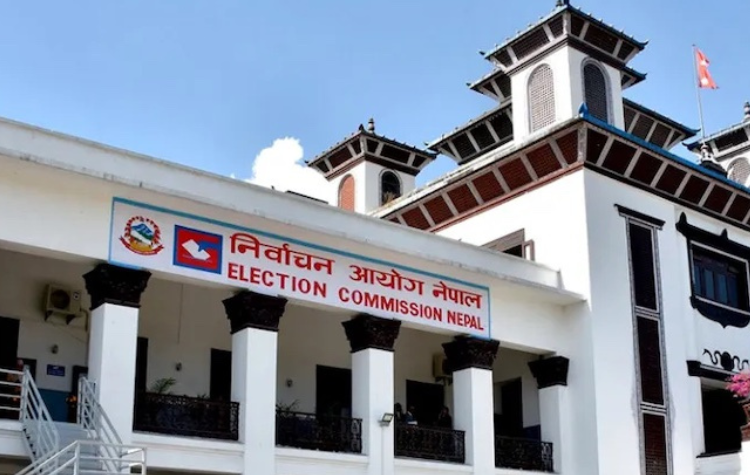
Election Silence Period Nepal Begins Tonight

2nd March 2026, Kathmandu
The democratic machinery of the Federal Democratic Republic of Nepal is entering its most critical phase as the Election Silence Period Nepal officially begins tonight at 12:00 AM. This transition marks the end of all formal campaign activities for the House of Representatives election scheduled for March 5, 2026 (Falgun 21, 2082). As the clock strikes midnight on March 3, 2026 (Falgun 19, 2082), the intense political atmosphere of the last several weeks must give way to a legally mandated period of quiet reflection. Throughout this final day of campaigning, candidates and political parties are making their last desperate appeals to the electorate, holding final rallies and door to door visits before the regulatory shutters come down. In the year 2082, the enforcement of this 48 hour silence period is seen as a vital safeguard for ensuring that the voting process remains free from last minute intimidation, propaganda, and undue influence.
Election Silence Period Nepal
The Election Silence Period Nepal is a foundational element of the country’s electoral code of conduct, designed to provide voters with a neutral environment to contemplate their choices. According to the guidelines issued by the Election Commission of Nepal, the scope of the prohibition is absolute. From midnight tonight, all public rallies, mass gatherings, and campaign speeches are strictly forbidden. This also extends to the digital realm, where social media campaigning, sponsored advertisements, and even political discussions on public platforms must cease. Candidates who have been active on television, radio, and print media must immediately halt all promotional content. The restriction remains in effect until the final ballot is cast and the polling centers officially close on Falgun 21.
The strategic purpose of the silence period is multifaceted, focusing primarily on the preservation of law and order and the integrity of the vote. In the high stakes environment of the 2082 elections, the risk of physical confrontation between rival political supporters is significantly higher during large scale rallies. By restricting these gatherings in the two days leading up to the poll, the state can redirect its security resources toward protecting polling stations and ensuring the safe transport of election materials. Furthermore, the silence period acts as a filter against the spread of misinformation. In the final hours of an election, voters are often susceptible to sensationalized news or emotional appeals that may not be grounded in reality. The quiet phase allows the noise of the campaign to fade, giving the citizen the space to make a rational and informed decision.
The legal framework governing the Election Silence Period Nepal is rigorous, with the Election Commission warning of severe consequences for those who violate the code of conduct. Monitoring teams, supported by local administration and security agencies, are being deployed across all 77 districts to ensure total compliance. In the year 2082, there is a heightened focus on digital monitoring. The commission has established a special unit to track social media activity, using both automated tools and manual reporting to identify candidates or parties that continue to push sponsored content or viral propaganda during the quiet phase. Violations can lead to administrative penalties, heavy fines, or in extreme cases, the disqualification of the candidate. This ensures that the rule of law is maintained regardless of the political stature of the offender.
Advertisement

For the candidates and political parties, the onset of the silence period requires an immediate logistical shift. All campaign offices must effectively shut down their outward facing operations. The distribution of promotional materials, such as pamphlets, caps, or t shirts with party symbols, must stop. Even indirect endorsements by high profile public figures or celebrities are prohibited. While internal administrative work and polling day logistics can continue behind closed doors, any activity that could be construed as voter solicitation is illegal. This period of forced inactivity is often used by party leadership to finalize their polling booth representation and to brief their volunteers on the procedures for monitoring the count.
Voters in Nepal have come to expect this period of calm as a necessary part of the democratic experience. During these 48 hours, the focus shifts from the candidates to the Election Commission’s logistical preparations. Across the country, thousands of polling officials are reaching their designated stations, setting up secure booths, and verifying voter lists. Security forces are establishing perimeters around sensitive areas, and international and domestic observers are moving into position. For the voters, this is a time to review the independent profiles of the candidates and to plan their journey to the polling station. In the year 2082, the Election Commission has also utilized this time to send out final SMS reminders and public service announcements regarding the correct way to mark the ballot paper.
The transition into the silence period also highlights the maturity of the Nepali electoral system. By institutionalizing a period of reflection, Nepal aligns itself with global best practices in democratic governance. It acknowledges that the act of voting is a solemn responsibility that should not be hurried or coerced by the latest campaign slogan. As the nation enters these final hours of the 2082 election cycle, the success of the silence period will be a key indicator of the overall quality of the election. A quiet and peaceful 48 hours is usually a precursor to a high turnout and a credible result, reinforcing the public’s trust in the democratic institutions of the Federal Democratic Republic of Nepal.
In conclusion, the start of the Election Silence Period Nepal at midnight tonight is a watershed moment for the 2082 House of Representatives election. It signifies the end of the rhetoric and the beginning of the decision making process for millions of Nepali citizens. By strictly enforcing the campaign ban across physical and digital platforms, the Election Commission is ensuring a level playing field and a secure environment for every voter. As the campaign lights are turned off and the rallies fall silent, the nation prepares for the most important democratic exercise of the year. The 48 hours between now and the opening of the polls on Falgun 21 are a testament to the strength of Nepal’s commitment to a fair, transparent, and peaceful transition of power. Every citizen is encouraged to use this time wisely and to participate in the upcoming vote with a sense of responsibility and hope for the nation’s future.
For More: Election Silence Period Nepal