Supreme Court Open Holiday Notice for Election

4th March 2026, Kathmandu
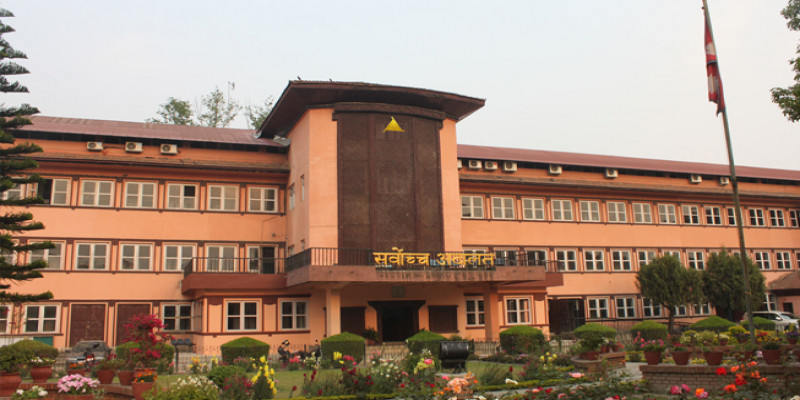
The judicial landscape of the Federal Democratic Republic of Nepal is witnessing a significant demonstration of institutional commitment with the release of the Supreme Court Open Holiday notice. As of March 4, 2026 (2082/11/20), the apex court of Nepal has officially declared its intention to remain operational during the series of government mandated public holidays associated with the House of Representatives Member Election 2082 and the upcoming International Womens Day. While most administrative and executive offices of the state remain closed to facilitate the polling process, the Supreme Court of Nepal has determined that the machinery of justice, specifically regarding the protection of personal liberty, cannot be entirely suspended. This decision serves as a vital constitutional safeguard, ensuring that the legal remedy of habeas corpus remains accessible to every citizen, regardless of the national holiday calendar.
Supreme Court Open Holiday
According to the Supreme Court Open Holiday statement issued by court spokesperson Arjun Koirala, the apex court will maintain a dedicated operational window from 11:00 AM to 3:00 PM. This schedule is effective from the commencement of the election holidays on Falgun 20 and will continue through to Falgun 24, which coincides with the global observation of International Womens Day. The primary focus of these holiday sessions is the hearing of habeas corpus petitions, known in the Nepali legal vernacular as bandi pratyakshikaran writs. By keeping the courtroom doors open for these specific urgent matters, the judiciary is reinforcing the principle that the right to physical freedom and protection against unlawful detention is an absolute priority that transcends administrative convenience or electoral logistics.
The legal and constitutional significance of the Supreme Court Open Holiday notice is rooted in the fundamental rights guaranteed under the Constitution of Nepal 2072. A habeas corpus petition is often described as the most important writ in the common law tradition, as it requires a person under arrest or detention to be brought before a judge or into court. The purpose is to ensure that a person can be released from unlawful detention, that is, detention lacking sufficient cause or evidence. In the year 2082, as the nation focuses on the democratic exercise of voting, the potential for administrative overreach or wrongful detention remains a concern. The continuous availability of the Supreme Court ensures that any individual who feels their liberty has been compromised can seek immediate judicial intervention without waiting for the regular working week to resume.
Operational details of the Supreme Court Open Holiday notice emphasize that while the full administrative staff might not be present, the essential components of the bench and the registry will be functional. Related parties, including petitioners, defense lawyers, and government attorneys, are required to appear within the 11:00 AM to 3:00 PM timeframe to proceed with their cases. This limited but targeted operation is a standard practice for the Nepali judiciary during long breaks, but its implementation during a high stakes election period in 2082 carries additional weight. It acts as a check and balance on the executive branch, ensuring that the emergency powers or security measures implemented during the election do not violate the personal freedoms of the populace.
The inclusion of International Womens Day on Falgun 24 in the Supreme Court Open Holiday schedule is also a noteworthy aspect of the judicial calendar in 2082. While the day is celebrated across Nepal to honor the social, economic, and political achievements of women, the Supreme Court recognizes that legal emergencies do not pause for celebrations. By maintaining the 11:00 AM to 3:00 PM session on this day, the court ensures that the specific protections afforded to women and vulnerable groups in the legal system remain active. This alignment of judicial duty with a day dedicated to rights and equality highlights the progressive stance of the Nepali apex court in the current decade.
Advertisement

Technical coordination for the Supreme Court Open Holiday hearings involves the mobilization of essential court officers, security personnel, and information technology staff. In the year 2082, many of the preliminary filings for writs are handled through the court’s digital portal, but the physical presence of the bench is required for the actual hearing of habeas corpus matters. The court’s IT department is tasked with ensuring that the digital display systems and the live updates of the cause list remain functional so that lawyers and the public can track which cases are being taken up during the holiday hours. This blend of physical presence and digital transparency is what allows the Supreme Court to maintain its efficiency even with a skeleton staff.
The broader impact of the Supreme Court Open Holiday notice is the strengthening of public trust in the rule of law. When citizens see that the highest court in the land is willing to operate during a national election and on International Womens Day, it sends a clear message of reliability. For the legal community, including the members of the Nepal Bar Association, these holiday sessions are a reminder of their professional duty to represent their clients in urgent matters. The 2082 election period is a time of high national emotion and activity, and the steady presence of the judiciary provides a calming influence, assuring everyone that the constitutional guardrails are firmly in place and operational.
From a procedural standpoint, the Supreme Court Open Holiday hearings are conducted with the same rigor as regular sessions. The judges assigned to the holiday bench have the authority to issue immediate orders for the release of detainees if the detention is found to be without legal merit. These orders are then communicated to the relevant law enforcement agencies for immediate execution. In the year 2082, the speed of this communication has been enhanced by the integration of the court’s order management system with the Ministry of Home Affairs, ensuring that judicial decrees are respected and implemented in real time, even during the holiday period.
In conclusion, the Supreme Court Open Holiday notice for the election and womens day period is a landmark of judicial accountability in Nepal. By prioritizing habeas corpus petitions from Falgun 20 to Falgun 24, the court is fulfilling its role as the ultimate protector of the individual against the state. This proactive approach to justice delivery in 2082 ensures that the light of the law never goes out, even when the rest of the government is focused on the logistics of an election. As the nation moves through this busy month, the Supreme Court stands as a silent but active guardian of the personal liberties that form the foundation of a free and democratic society.
For More: Supreme Court Open Holiday