Teacher Records Digitization Nepal 2026 Progress Update

23rd March 2026, Kathmandu
The Teacher Records Digitization Nepal 2026 initiative has reached a milestone in modernizing the country’s educational bureaucracy.
Teacher Records Digitization Nepal
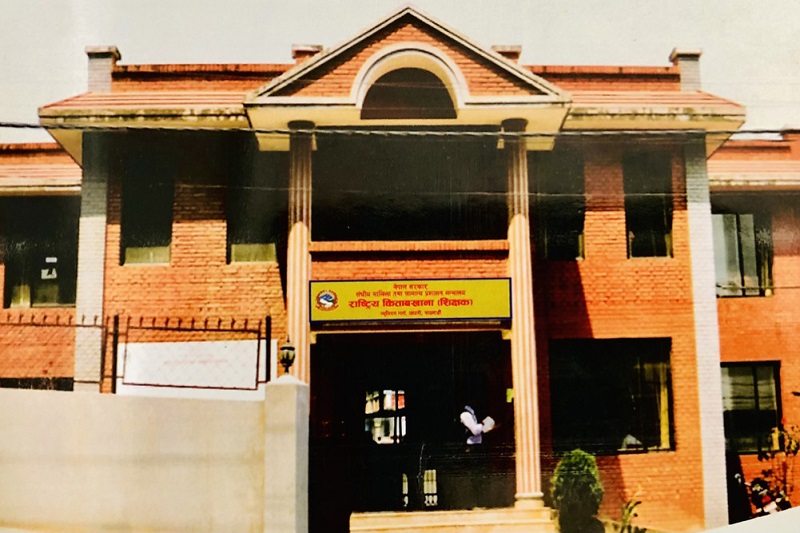
Under the direction of the National Book Archive (Teachers), the personal and professional files of 40,000 permanent teachers have been successfully transitioned from manual paper logs to a secure digital database. This shift is a core component of Nepal’s 2026 digital governance roadmap, aiming to eliminate the delays and inaccuracies historically associated with teacher pension processing and service record verification.

Major Milestones in the Digitization Roadmap
The Teacher Records Digitization Nepal 2026 program has followed a steady phased implementation over the last two fiscal years. By integrating cloud-based storage and automated indexing, the Archive has significantly increased its processing capacity.
Phase 1 (Previous Fiscal Year): Completion of 20,000 records, focusing primarily on teachers nearing retirement.
Phase 2 (Current Fiscal Year): An additional 20,000 records successfully digitized.
Immediate Target: The office is on track to digitize a final batch of 7,000 records by the end of the current fiscal year (mid-July 2026).
This rapid progress ensures that nearly half of the permanent teaching workforce now has a “digital twin” of their service history, accessible to authorized Ministry officials at the click of a button.
Comprehensive Data Management by the National Book Archive
The Teacher Records Digitization Nepal 2026 project covers a wide array of sensitive data points. By digitizing these categories, the National Book Archive ensures that a teacher’s entire career—from appointment to post-retirement—is documented without the risk of physical file degradation.
Career History: Exact dates of appointments, promotions, and transfers across different districts.
Financial Details: Accurate logs of salary scales, accumulated grade increments, and medical reimbursements.
Leave Records: Digital tracking of accumulated leave, which is essential for calculating final “golden handshake” payments upon retirement.
Pension Benefits: Streamlined documentation for family pensions and disability benefits, reducing the time retired educators spend navigating government offices.
Advertisement

Understanding Nepal’s Vast Teaching Workforce
To appreciate the scale of the Teacher Records Digitization Nepal 2026 initiative, one must look at the total workforce currently active in Nepal’s community schools. Managing over 156,000 educators requires a robust system that can handle different categories of service.
Permanent Teachers: 83,989 (The primary focus of the current digitization phase).
Relief (Rahat) Teachers: 39,962.
Temporary Teachers: 29,699.
With approximately 2,083 teachers expected to reach the mandatory retirement age of 60 within this fiscal year alone, the digital system is vital for preventing a backlog in pension disbursements.
Institutional Shift Toward Federalism
Originally a wing of the Ministry of Education, the Teacher Book Archive now operates under the Ministry of Federal Affairs and General Administration. This shift reflects the administrative restructuring of Nepal into a federal system. The Teacher Records Digitization Nepal 2026 project supports this decentralization by allowing provincial and local levels to eventually interface with a centralized, verified database, ensuring that teacher transfers and salary adjustments are handled with transparency.
Benefits of the Digital Transition
The move toward a paperless archive offers immediate practical advantages for both the government and individual educators:
Speed of Service: Pension papers that once took months to verify can now be cross-referenced in days.
Data Integrity: Digital logs prevent the “lost file” syndrome that often plagued the manual archive system.
Transparency: Reduces the influence of middle-men in the pension process by providing teachers with direct clarity on their service duration and owed benefits.
Strategic Planning: The Ministry of Education can now use real-time data to identify teacher shortages or surpluses across various provinces.
Conclusion
The Teacher Records Digitization Nepal 2026 progress update signals a new era of efficiency for Nepal’s civil service. With 40,000 records live and thousands more in the pipeline, the National Book Archive is setting a benchmark for other government departments. As the project nears its next target of 7,000 additional files, the focus remains on ensuring that every teacher in Nepal—from the remote villages of Karnali to the urban centers of Bagmati—receives the professional respect and administrative speed they deserve.
For More: Teacher Records Digitization Nepal