Microfinance Conference Youth Green Finance Drives Economic Reform

24th March 2026, Kathmandu
The Microfinance Conference Youth Green initiative concluded its 5th National Microfinance Members’ Conference on March 23, 2026, in Kathmandu.
Microfinance Conference Youth Green
Under the central theme “Spread Entrepreneurship, Make Youth Self-Employed,” the two-day summit brought together over 600 participants, including policymakers, regulators, and microfinance members from all 77 districts. Organized by the Centre for Self-help Development (CSD), the event focused on shifting the sector’s focus from mere “money lending” to fostering a genuine culture of innovation and environmental responsibility.

Nine-Point Declaration for Economic Transformation
The conference culminated in a strategic nine-point declaration designed to address current industry distortions and align microfinance with national growth goals.
Key Commitments Include:
“Learn and Earn” Integration: Pushing for financial literacy and skill-based income generation starting at the school level.
Member-Centric Service: Transitioning back to a “social business” model to eliminate the aggressive profit-seeking behaviors that have led to over-indebtedness.
Entrepreneurial Pivot: Moving away from being “money traders” to becoming “entrepreneurship facilitators” by linking credit directly to production and market access.
The “Three Zero” Concept and Green Finance
A major highlight of the Microfinance Conference Youth Green was the formal adoption of Nobel Laureate Muhammad Yunus’s “Three Zero” framework. This concept serves as the foundational mantra for the next decade of microfinance in Nepal:
Zero Poverty: Ensuring credit reaches the 20% of the population still living below the poverty line, specifically in remote districts like Jajarkot.
Zero Unemployment: Creating local self-employment opportunities to curb the mass migration of youth for foreign employment.
Zero Net Carbon Emissions: Promoting “Green Finance” by funding eco-friendly businesses and forming youth clubs dedicated to environmental sustainability.
Insights from Financial Experts and Former Governors
The conference featured high-level analysis from veteran economists who warned against the current “race for dividends” in Class D financial institutions.
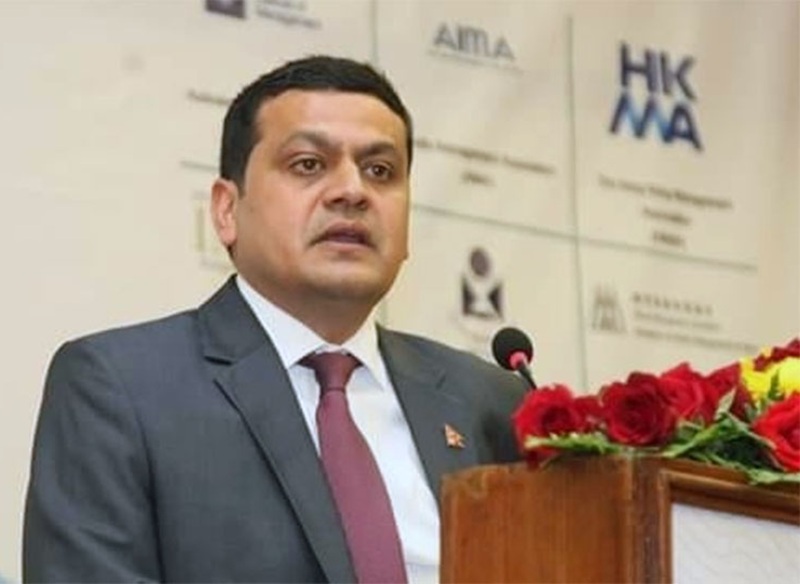
Former Governor Dipendra Bahadur Kshetri: Emphasized that microfinance remains the only viable financial link for marginalized communities that commercial banks cannot reach. He urged institutions to use this reach for social transformation rather than just capital accumulation.
Advertisement

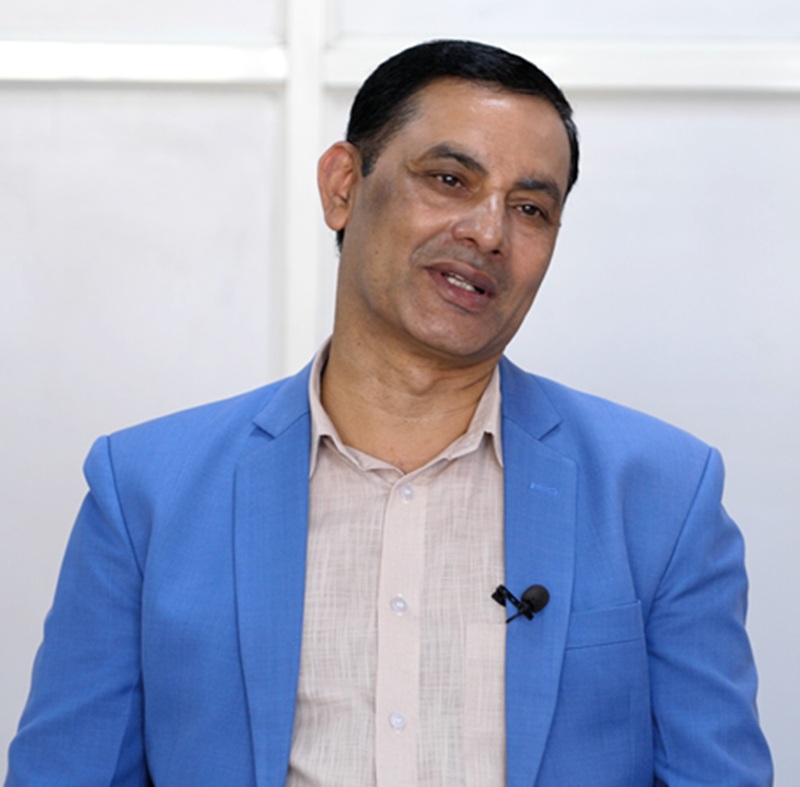
Former Governor Dr. Vijayanath Bhattarai: Identified the rise in non-performing loans (NPLs) as a symptom of “multi-banking” (where one person takes loans from several institutions). He called for stricter corporate governance and digital tracking of credit flow.
Dr. Prakash Kumar Shrestha (NPC Vice-Chairman): Suggested a shift toward the “Credit Plus” model, which combines lending with technical training and marketing support for agricultural products.
Digital Transformation and Fraud Prevention
To support the Microfinance Conference Youth Green goals, the declaration emphasized a mandatory upgrade in digital literacy. By leveraging mobile banking and transparent digital ledgers, institutions aim to:
Reduce administrative costs and interest rates for members.
Prevent fraudulent practices and unauthorized “middlemen” in the loan process.
Re-engage inactive members through targeted entrepreneurship workshops.
Sector Impact: By the Numbers
As of late 2025/early 2026, the scale of the sector underscores the importance of these reforms:
Total Members: 6.28 million (reaching nearly every household in Nepal).
Active Borrowers: Approximately 2.7 to 2.9 million.
Women Participation: 95% of all members.
Total Investment: Over NPR 500 billion disbursed across the country.
Conclusion
The Microfinance Conference Youth Green 2082 serves as a vital course correction for Nepal’s micro-credit sector. By prioritizing youth entrepreneurship and the “Three Zero” concept, the federation is evolving to meet the challenges of 2026. As the declaration moves toward implementation, the focus will remain on turning “borrowers into owners,” ensuring that microfinance continues to be the backbone of rural development and economic self-reliance.
For More: Microfinance Conference Youth Green