Koshi Transport Insurance Discussion Nepal: Key Insights

27th March 2026, Kathmandu
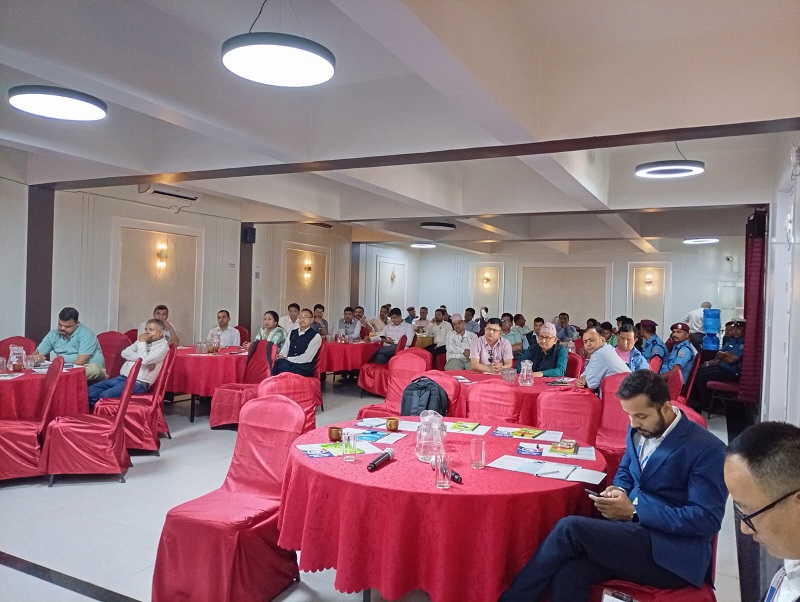
The Koshi Transport Insurance Discussion Nepal event recently served as a critical platform in Biratnagar to address the evolving landscape of the vehicular insurance sector.
Koshi Transport Insurance Discussion
Organized by the Nepal Insurance Authority this interaction program brought together government officials insurance executives and transport entrepreneurs to dissect the systemic bottlenecks currently hindering the industry. As Nepal moves toward a more regulated transport economy the Koshi Transport Insurance Discussion Nepal highlighted that while policy coverage is expanding the quality of service delivery and claim settlement speed remains a primary concern for stakeholders in the Koshi Province.
This discussion marks a proactive step by the regulatory body to bridge the trust gap between insurers and the insured specifically in the high risk transport sector of eastern Nepal.

Focus Areas of the Discussion
During the Koshi Transport Insurance Discussion Nepal participants explored multiple technical and administrative aspects of motor insurance. The dialogue was not limited to theoretical policy but extended to the practical hurdles faced by vehicle owners on a daily basis.
Major focal points included:
- Evaluation of current motor insurance tariff rates and their sustainability.
- Strict implementation of mandatory third party motor insurance for all commercial vehicles.
- Identifying the root causes of chronic delays in insurance claim settlements.
- Enhancing the digital coordination between the transport management offices and insurance companies.
The session was facilitated by Sachin Rai who ensured that the grievances of small scale transport operators were heard alongside those of large corporate insurers.
Major Issues Raised by Stakeholders
A dominant theme of the Koshi Transport Insurance Discussion Nepal was the frustration regarding the complexity of the claim process. Stakeholders pointed out that the current system often feels designed to discourage claimants rather than assist them.
Participants highlighted several critical inefficiencies:
- The time taken from accident reporting to final payout often exceeds reasonable limits.
- Documentation requirements are frequently redundant asking for papers already verified by traffic police.
- A perceived lack of empathy and transparency from insurance surveyors during the loss assessment phase.
These inefficiencies have led to a decline in public trust making it difficult for the Nepal Insurance Authority to promote voluntary comprehensive insurance beyond the mandatory third party requirements.
Concerns from Transport Entrepreneurs
Transport entrepreneurs representing various regional associations in Koshi Province voiced specific technical grievances during the Koshi Transport Insurance Discussion Nepal. Netralal Thapa a prominent voice in the regional transport sector noted that the benefit of a no claim discount is often inconsistently applied across different companies.
Advertisement

Other specific pain points discussed included:
- The immediate rejection of medical claims if the policyholder fails to produce an original hospital bill even if a verified copy is available.
- The loss of accumulated insurance benefits and discounts during the formal ownership transfer of a vehicle.
- The lack of localized branch autonomy which forces many claim files to be sent to Kathmandu for final approval.
These issues underline a significant need for the standardization of operating procedures across all insurance firms operating in Nepal.
Need for Stronger Coordination and Monitoring
A consensus reached during the Koshi Transport Insurance Discussion Nepal was that the insurance sector cannot function in isolation. There is an urgent requirement for a unified digital portal that links the Nepal Insurance Authority with the provincial transport management offices and the traffic police.
Such coordination would help in:
- Reducing insurance fraud by verifying accident details in real time.
- Speeding up the claim process by sharing electronic copies of police reports.
- Strengthening the monitoring of “fake insurance” certificates which still circulate in some rural pockets of the province.
Government and Regulatory Commitments
The regulatory officials present at the Koshi Transport Insurance Discussion Nepal provided assurances that these grievances would not go unheard. Gopal Dahal expressed a strong commitment to facilitating local solutions for transport related administrative hurdles.
Priti Dev representing the Nepal Insurance Authority stated that the regulator is currently drafting new guidelines to simplify the documentation process for small scale claims. She also urged transport owners to maintain a clear understanding of their policy terms and conditions to avoid disputes during the claim phase. The authority emphasized that timely renewal of policies is not just a legal requirement but a financial safety net for the entrepreneurs.
Importance of Insurance in the Transport Sector
The Koshi Transport Insurance Discussion Nepal reinforced the idea that insurance is the backbone of a stable transport industry. With the increasing density of vehicles on the Koshi Highway and the inherent risks of hilly terrain an efficient insurance system ensures:
- Immediate financial liquidity for vehicle repairs after accidents.
- Guaranteed compensation for third party victims and their families.
- Long term business continuity for transport companies by mitigating catastrophic losses.
Conclusion
The Koshi Transport Insurance Discussion Nepal was a vital exercise in transparency and sector reform. While the discussion brought many uncomfortable truths to the surface regarding claim delays and bureaucratic hurdles it also established a roadmap for future improvements. By prioritizing coordination and simplifying the claim journey the Nepal Insurance Authority aims to transform the transport insurance sector into a more reliable and customer centric industry.
As the province continues to grow as a trade hub the resolutions from this discussion will play a key role in shaping a safer and more insured transport ecosystem in Nepal.
For More: Koshi Transport Insurance Discussion