Sanjeevani Microfinance Revival Nepal: From Crisis to Comeback

2nd April 2026, Kathmandu
The Sanjeevani Microfinance Revival Nepal story has emerged as a landmark case in the financial sector of the country.
Sanjeevani Microfinance Revival Nepal
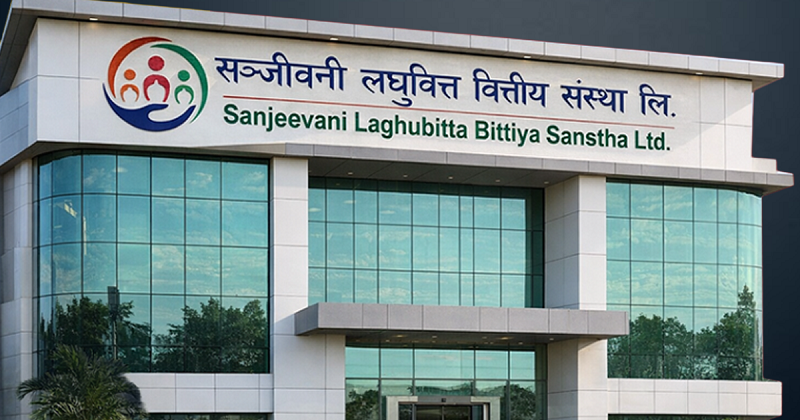
Previously known as Super Laghubitta Bittiya Sanstha, the institution has officially been removed from the problematic list by Nepal Rastra Bank (NRB) and has resumed operations under a new identity: Sanjeevani Laghubitta Bittiya Sanstha.
This turnaround represents one of the most remarkable recovery cases in the microfinance industry of Nepal, showcasing how strong regulatory intervention and effective management can revive a failing institution even in a volatile economy like 2026.

From Crisis to Recovery
Super Laghubitta was declared problematic by Nepal Rastra Bank on Bhadra 22, 2079, following the discovery of serious financial irregularities and internal governance failures. At that time, the central bank took full control of the institution and halted all lending and deposit collection activities to protect the interests of small savers.
However, in a major development during late 2082, the board meeting of the central bank held on Chaitra 5 decided to remove the institution from the problematic list. This decision allowed the firm to resume normal financial operations and paved the way for its rebranding as Sanjeevani Laghubitta.
Role of the Management Team
The turnaround was led by a dedicated management team appointed by the central bank in 2080. This team, headed by Nirmal Kumar Karki and supported by key member Shesh Narayan Pokharel, was tasked with taking control of operations and implementing urgent corrective measures.
Their comprehensive efforts included:
- Restructuring the entire organizational hierarchy.
- Aggressive recovery of outstanding loans.
- Restoring depositor confidence through transparent communication.
- Clearing the legal hurdles associated with previous management.
According to Karki, this case has set a new benchmark in the financial sector of Nepal, proving that even deeply troubled institutions can be revived within a relatively short period of two years if the right protocols are followed.
Financial Transformation and Capital Growth
One of the most striking aspects of the Sanjeevani Microfinance Revival Nepal case is its dramatic financial turnaround. The capital base of the institution increased from just 1.95 crore to approximately 1.19 billion.
Furthermore, the capital adequacy ratio improved from a staggering negative 126 percent to a healthy positive 27.96 percent. This reflection of strong financial restructuring and improved governance has made the institution attractive to institutional investors once again.
Advertisement

New Investors and Ownership Structure
The revival was supported by the entry of major commercial and development banks as primary investors. These institutions include:
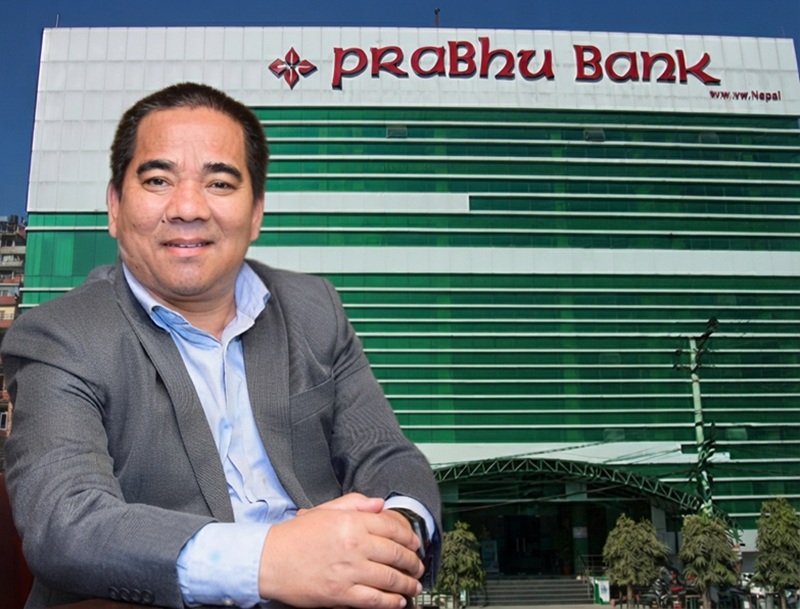
- Prabhu Bank (Holding the largest stake)
- Shangrila Development Bank
- Shine Resunga Development Bank
- Kumari Bank
- Nepal SBI Bank
- First Microfinance
- RSDC Laghubitta
Many of these institutions converted their previous loan exposure into equity, while others injected fresh capital into the company. Currently, only 2.5 percent of the ownership remains with previous investors, while the vast majority is held by the new group. The proposed ownership structure includes 68 percent for promoters and 32 percent for the general public, with plans for a future IPO.
Governance and New Leadership
Following the restructuring, a new board of directors has been formed under the leadership of Rajit Maskey. Other board members include Yashodhan Pandey, Subash Kunwar, Anantaraj Pant, and Bijay Sharma. This new leadership team is expected to guide the institution toward sustainable growth and ensure that the errors of the past are not repeated.
Addressing Past Irregularities and Legal Action
During the detailed investigation, it was revealed that a significant portion of the previous loan portfolio consisted of fraudulent loans. Out of 48 crore in loans, more than 31 crore were found to be fake or issued without proper documentation.
Legal action has been taken against 57 individuals, and cases are currently being heard in the High Court, Tulsipur. The main accused, Jyoti Prasad Chaudhary, remains in custody following a Supreme Court order. The management team has successfully recovered loans from genuine borrowers and returned deposits to thousands of savers, effectively restoring trust in the microfinance system.
A New Benchmark in the Financial Sector
The Sanjeevani Microfinance Revival Nepal case is being seen as a global model for resolving crises in small-scale financial institutions. The rapid recovery demonstrates that with proper regulatory oversight and investor confidence, even distressed institutions can be saved.
Karki emphasized that the model used in this turnaround—incorporating debt-to-equity swaps and third-party management—could be replicated in other struggling microfinance institutions across the country to maintain overall financial stability.
Future Outlook for 2083
With legal cases nearing final resolution and full provisioning already completed, the institution is expected to move into profitability soon. The successful recovery of past-due loans will directly contribute to earnings, further strengthening its financial position as it prepares for public listing.
The successful revival of Sanjeevani Laghubitta not only restores confidence among depositors but also sets a precedent for the entire financial system of Nepal. It serves as a reminder that transparency and accountability are the foundations of any lasting financial institution.
Conclusion
The transformation of Super Laghubitta Bittiya Sanstha into Sanjeevani Laghubitta Bittiya Sanstha marks a historic achievement. Backed by the regulatory support of Nepal Rastra Bank and strong management execution, the institution has successfully transitioned from a state of crisis to a state of stability. This case stands as a powerful example of resilience and reform, offering valuable lessons for the entire banking industry in Nepal.
For More: Sanjeevani Microfinance Revival Nepal