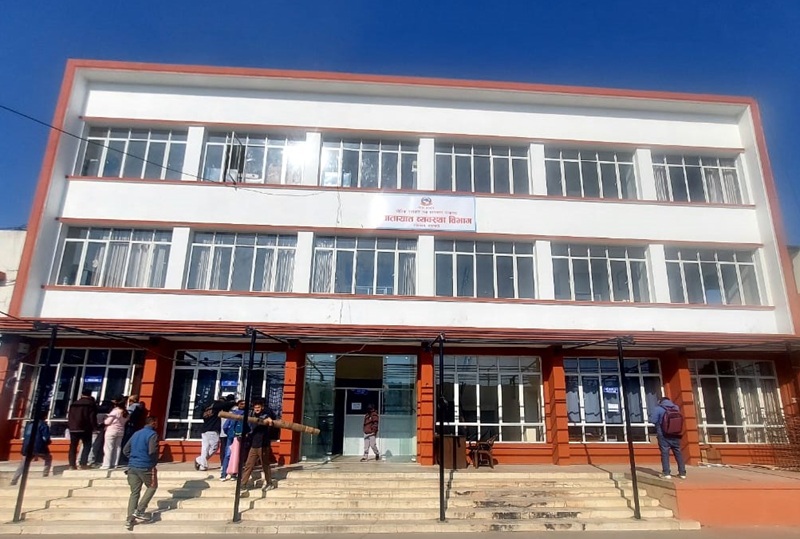
Nepal Rastra Bank Financial Awareness Message Boosts Digital Payment Security

7th April 2026, Kathmandu
In a significant effort to safeguard the financial interests of citizens, Nepal Rastra Bank has issued an important financial awareness message aimed at promoting the safe and secure use of digital payment systems across Nepal.
NRB Awareness Message
Released on Chaitra 24, 2082, the message focuses on increasing public understanding of electronic transactions and strengthening financial literacy in an increasingly digital world.
As the central bank of Nepal, NRB continues to prioritize the protection of consumers while encouraging the adoption of modern banking technology. This awareness campaign serves as a timely reminder that as technology evolves, so must the vigilance of the users.

Promoting Safe Digital Payment Practices
With the rapid growth of digital banking infrastructure, Nepal Rastra Bank emphasizes the importance of using secure and authorized methods for all financial transactions. The awareness message specifically highlights the use of various payment cards that have become essential for daily life.
Commonly Used Secure Payment Tools:
Debit Cards: Directly linked to your bank account for immediate payments.
Credit Cards: Allowing for short-term credit and online shopping.
Prepaid Cards: Loaded with a specific amount of funds for controlled spending.
The central bank encourages all citizens to adopt these tools responsibly to ensure that the benefits of convenience are not overshadowed by security risks.
Key Services Available Through Payment Cards
The NRB message outlines essential services that customers can access through these digital payment systems. By moving away from physical cash, users can enjoy a more streamlined financial experience.
Essential Digital Services Include:
Real-Time Monitoring: Instant access to account balances and detailed transaction histories.
ATM Accessibility: Easy use of Automated Teller Machines (ATM) for cash withdrawals when necessary.
Seamless Merchant Payments: Convenient payment options for goods and services at retail outlets and online stores.
These features make digital payments more efficient and significantly reduce the reliance on cash transactions, which are harder to track and easier to lose.
Role of Banks and Financial Institutions
Licensed banks and financial institutions (BFIs) play a critical role in providing the infrastructure for these secure payment services. Nepal Rastra Bank strictly regulates these entities to ensure that all financial operations are conducted within a safe and reliable framework.
By following the stringent regulatory guidelines set by the NRB, these institutions help protect sensitive customer data and implement advanced systems to prevent fraud in digital transactions. It is vital for users to only utilize services provided by institutions officially licensed by the central bank.
The Critical Importance of Financial Literacy
The awareness campaign underscores the urgent need for financial literacy among the general public in 2026. Understanding the underlying mechanics of digital payments allows users to navigate the financial landscape with confidence.
Benefits of Financial Literacy:
Advertisement

Fraud Prevention: Identifying and avoiding common scams and phishing attempts.
Effective Management: Learning to use digital tools to track spending and manage budgets.
Informed Usage: Using advanced banking services like mobile apps and web portals with full confidence.
Financial literacy is a key component in building a secure, inclusive, and resilient financial system for all of Nepal.
Encouraging a Cashless Economy in Nepal
The Nepal Rastra Bank Awareness Message strongly supports the national transition toward a cashless economy. Digital payments offer several structural advantages for the economy:
Transaction Speed: Faster processing of payments compared to physical cash handling.
Reduced Risk: Lowered risk of theft or loss associated with carrying large amounts of cash.
Digital Record Keeping: Better personal and national record keeping, which helps in financial planning and transparency.
By encouraging electronic transactions, the central bank aims to modernize the financial ecosystem of Nepal, making it more competitive on the global stage.
Security and Responsibility in Digital Transactions
While the systems are secure, the NRB advises users to remain cautious and proactive. Personal responsibility is the final line of defense against financial crime.
Basic Security Precautions Recommended by NRB:
Confidentiality: Never share your card details, including the CVV, with anyone.
PIN Protection: Avoid sharing your PIN numbers and change them periodically.
Regular Monitoring: Frequently check your bank statements and mobile alerts for any unauthorized activity.
Link Safety: Avoid clicking on suspicious links in SMS or emails that ask for banking credentials.
These simple yet effective practices help ensure a safe and secure banking experience for every individual.
Conclusion
The Nepal Rastra Bank Awareness Message serves as a crucial reminder of the importance of financial literacy and digital payment security. As Nepal continues to embrace digital banking through 2082 and 2083, informed and cautious users will play a key role in maintaining a safe financial environment.
By following the official guidelines and adopting secure personal practices, individuals can fully benefit from the convenience of modern banking while minimizing the risks of fraud. Stay informed, stay secure, and participate in the digital growth of the nation with confidence.
For More: NRB Awareness Message