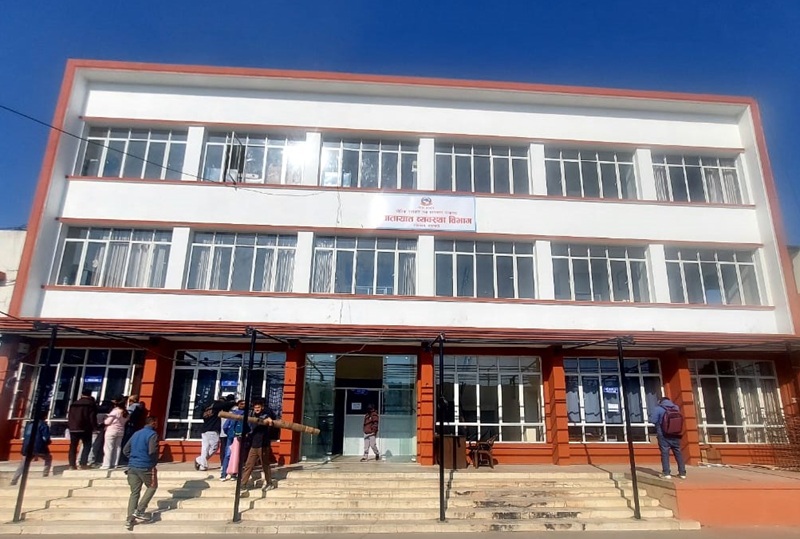

Himalayan Bank to close the accounts with 10 years of dormancy

29th April 2026, Kathmandu
In a significant move to streamline its financial records and comply with national regulations, Himalayan Bank Limited has officially announced the closure of bank accounts that have remained inactive for a decade.
Himalayan Bank Inactive Accounts
This decision specifically targets accounts that have shown no transaction activity and maintained a zero balance for 10 consecutive years. For many depositors, bank accounts can sometimes be forgotten over time due to relocation, changes in financial habits, or life transitions. However, this recent announcement serves as a critical reminder to check your old records and ensure that your hard earned money is not left in a dormant state.

The Regulatory Framework for Account Closure
The decision to close these accounts is not arbitrary; it is firmly rooted in the legal and regulatory framework of Nepal. Himalayan Bank is acting in accordance with the Bank and Financial Institutions Act (BAFIA), 2073, and the latest unified directives issued by Nepal Rastra Bank (NRB) in 2082. These regulations are designed to ensure that the banking system remains efficient and that unclaimed funds are managed transparently. By closing accounts that have been stagnant for 10 years, banks can maintain more accurate data, reduce the operational risks associated with dormant accounts, and adhere to the strict compliance standards set by the central bank.
How to Claim Your Inactive Deposits
If you suspect you have a dormant account with Himalayan Bank Limited, it is essential to take action immediately. The bank has urged all depositors with long inactive accounts to visit their nearest branch to initiate the claim process. To recover your funds or reactivate your account, you will typically need to follow a few standard procedures:
Visit the Branch: Go to the Himalayan Bank branch where you originally opened the account or visit the nearest main office.
Verification: Provide valid identification documents, such as your Citizenship Certificate, Passport, or Voter ID card.
KYC Update: Since the account has been inactive for a long period, you will likely need to update your Know Your Customer (KYC) information.
Advertisement

Withdrawal or Reactivation: Once verified, you can choose to withdraw the remaining balance or reactivate the account for future use.
Taking these steps ensures that you retain control over your assets before the bank proceeds with the official closure of the records.
What Happens to Unclaimed Funds After 20 Years?
A crucial aspect of this announcement is the timeline for unclaimed money. While the closure process begins after 10 years of inactivity, the funds do not simply disappear. According to the current banking laws in Nepal, if deposits remain unclaimed for a total of 20 years, the money must be transferred to a specific fund. This is known as the Banking Development Fund, which is managed under the direct oversight of Nepal Rastra Bank. Once the funds are moved to this central fund, recovering them becomes a much more complex administrative process. Therefore, the 10 year mark is a vital window for customers to settle their accounts easily.
The Importance of Monitoring Your Bank Accounts
This move by Himalayan Bank highlights a broader issue in personal finance: the importance of account monitoring. Maintaining active accounts is not just about avoiding closure; it is about protecting yourself from fraud and staying informed about your financial health. Inactive accounts can sometimes be targets for unauthorized activities if not monitored. By keeping your accounts active—even with small, occasional transactions—you ensure that your contact information remains updated with the bank, allowing them to reach you with important notices or promotional offers.
Why Banks Prioritize Closing Dormant Accounts
From a banking perspective, managing thousands of inactive accounts is a significant operational burden. It requires storage space for records, regular security monitoring, and administrative upkeep. By clearing out accounts that have been stagnant for 10 years, Himalayan Bank can focus its resources on serving its active customer base more effectively. It also allows the bank to present a more accurate picture of its actual deposit base to shareholders and regulators.
Conclusion: Act Now to Secure Your Funds
Himalayan Bank Limited is offering a final opportunity for customers to reclaim their dormant deposits before the 10 year closure process is finalized. If you or a family member had an account that hasn’t been used in years, now is the time to act. Visit a branch, verify your details, and ensure your funds are either safely in your hands or actively growing in a monitored account. Don’t wait for the 20 year deadline when funds are transferred to the NRB; take charge of your financial legacy today and avoid the complications of future claims.
For More: Himalayan Bank Inactive Accounts