Medical Education and Healthcare System in Nepal: Current Status, Inequalities, and Clinical Challenges

4th May 2026, Kathmandu
While Nepal’s healthcare system and medical education have expanded rapidly over the past two decades, significant challenges remain regarding quality, accessibility, financial sustainability, and governance.
Medical Healthcare System Nepal
A lack of coordination between the private and public sectors, rural-urban disparities, physician dissatisfaction, and weaknesses in the health insurance system continue to hinder effective service delivery.
This article provides a comprehensive analysis of Nepal’s health ecosystem, proposing Public-Private Integration (PPI) specifically the Public-Private Partnership (PPP) model as a balanced and sustainable solution.
It also presents practical policy recommendations for strengthening rural health, retaining physicians, and improving financial governance.

1. The Current State of Medical Education
Medical education in Nepal has transitioned from a government-led initiative to a rapidly expanding private sector domain. While the increase in medical colleges has boosted the production of doctors, it has also led to the commercialization of education.
-
Key Challenges
-
High Costs: Excessive fees in private colleges have made medical education inaccessible to the economically marginalized.
-
PG Seat Deficit: A massive shortage of Postgraduate (PG) seats compared to MBBS graduates has fueled frustration among young doctors, leading to a “brain drain.”
-
Quality Variance: Inconsistent teaching standards, teacher shortages, and weak regulation in some institutions threaten the long-term quality of healthcare delivery.
-
2. Public vs. Private Healthcare: The Great Divide
Nepal’s healthcare system operates on two parallel tracks:
The Government Sector: Provides broad access through health posts and district hospitals, particularly in rural areas. However, these facilities often suffer from overcrowding, limited resources, poor management, and a lack of accountability.
The Private Sector: Offers modern technology and specialized care (ICU, Cardiology, Oncology). While efficient, the high costs make these services inaccessible to the average citizen, widening the inequality gap.
3. Rural-Urban Disparity and the Physician Crisis
The most severe issue is the concentration of specialized care in urban centers. Rural health posts often lack essential manpower, equipment, and medicines.
Furthermore, Nepali physicians face numerous professional hurdles:
Low Salaries: Low pay in the public sector encourages dual practice.
Safety Concerns: Increasing incidents of violence against healthcare workers by patients’ relatives have added to professional anxiety.
Lack of Career Growth: The absence of a clear career path and professional development opportunities further accelerates the migration of skilled professionals to foreign countries.
Advertisement

4. Policy Recommendations for Sustainable Reform
To move toward an integrated and effective health system, the following steps are essential:
Prioritize the PPP Model: Combine government infrastructure with private management for specialized services like Dialysis, ICU, and Imaging.
Integrate Private Hospitals into Health Insurance: Fully include private institutions in the national health insurance scheme to provide affordable care to citizens while ensuring the sustainability of the private sector.
Strengthen Rural Health: Invest in Telemedicine, mid-level health workers, and the upgrading of district hospitals.
Physician Retention: Implement competitive salaries, incentives for rural service, a secure working environment, and transparent promotion systems.
5. Governance, Transparency, and Political Leadership
The development of Nepal’s health sector has historically been hindered by political interests and administrative inefficiency. Reform requires a shift in focus from “Hardware” (buildings and equipment) to “Software” (investing in doctors, nurses, and paramedics).
The Role of Emerging Leadership: New political movements and leaders like Balendra Shah offer hope for zero tolerance against corruption. However, structural reform requires a digital ecosystem (EHR, e-hospital, e-procurement) to ensure transparency.
The Health Minister and Parliamentary Committee: Effective leadership from the Ministry (currently led by Mrs. Nisha Mehta with a nursing background) and oversight from Parliamentary Committees are crucial to ensure that the system remains merit-based and transparent without unnecessary executive interference.
6. A Personal Journey: Dedication to the Soil
Reflecting on my own journey from completing medical education in the USSR in 1986 to serving at Bir Hospital my goal was always to establish safe anesthesia services in Nepal.
Despite numerous opportunities to work abroad for higher pay, I chose to remain in Nepal, believing that my skills were best used to alleviate the suffering of my own people.
During my tenure as the Registrar of the Nepal Medical Council, I introduced the OMR system to make evaluations objective and transparent. My principle has always been: No favoritism, no compromise only rules and integrity.
7. Addressing Legal and Administrative Injustices
Reform is often met with resistance. For instance, reports like the Gauri Bahadur Karki Commission (2017) have faced criticism for lacking consensus among members and overlooking legal frameworks like the Nepal Medical Council Act.
Targeted allegations against professionals often stem from a retaliatory mindset rather than a genuine desire for reform. True progress requires legal clarity and institutional respect rather than selective targeting.
Conclusion
Improving Nepal’s health system requires more than just building more hospitals; it requires effective management and coordination. We must move past the “Public vs. Private” debate and embrace an Integrated Public-Private System.
Through transparent implementation, digital coordination, and a focus on human resources, Nepal can build a sustainable healthcare system that serves all citizens equally.
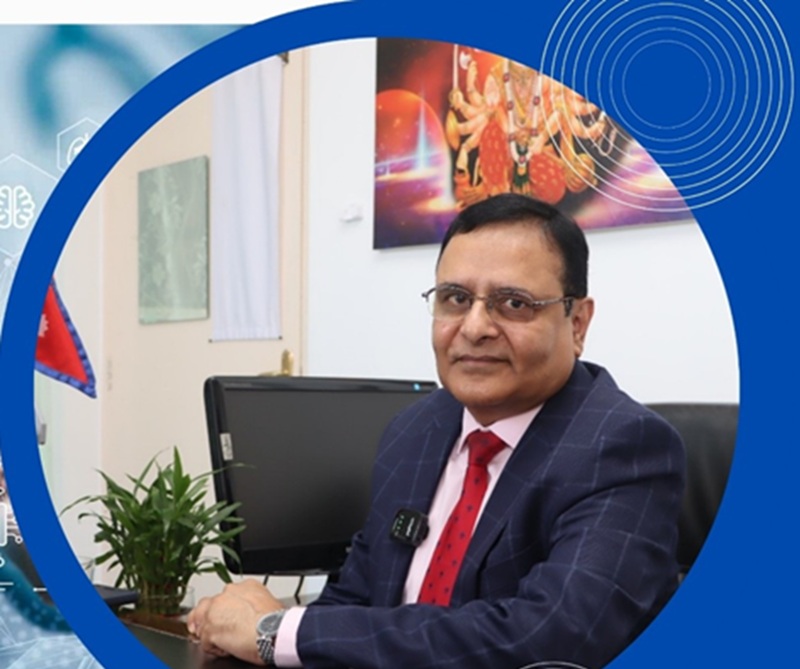
About the Author: Prof. Dr. Nilmani Upadhyaya is a renowned Medical Educationist and currently serves as the Hospital Director at Nepal Medical College.
For more: Medical Healthcare System Nepal