Nepal to Increase India Border Duty-Free Limit in Budget | Big Relief

21st May 2026, Kathmandu
In a move that could bring massive relief to thousands of border residents, the government is reportedly preparing to hike the customs duty-free limit for goods brought across the Nepal–India border.
Nepal Increase India Border Duty-Free
The potential change is expected to be officially introduced through the upcoming budget process.
According to internal sources and preliminary discussions, officials are considering raising the threshold to a much more practical Rs 2,000 to Rs 2,500. This comes as a direct response to widespread public backlash and the recent Supreme Court intervention over the strict enforcement of the archaic Rs 100 limit.

The Chaos Over the Rs 100 Customs Rule
For decades, the Bhansar Mahashulk Act contained a provision technically requiring customs duty on any imported goods valued over Rs 100. While largely ignored in the past, the government recently began aggressively enforcing the rule at various border points in the Terai-Madhesh region to control revenue leakage and curb informal trade.
The strict enforcement threw daily life along the open border into disarray:
Impact on Daily Wage Earners: Local residents who traditionally cross into nearby Indian markets for everyday groceries, medicines, and household items found themselves stopped, queued for hours, and taxed heavily (ranging from 5% to 80%).
Deserted Border Markets: Major border shopping hubs like Sunauli saw a massive 75% drop in Nepalese shoppers.
Protests and Legal Action: The move sparked intense local outcry, with critics labeling it an impractical policy during an era of high inflation.
The situation reached a boiling point until the Supreme Court of Nepal issued an interim order, temporarily restraining the government from collecting customs duties on goods above Rs 100 brought by ordinary citizens for personal use.
Advertisement

What to Expect in the Upcoming Budget
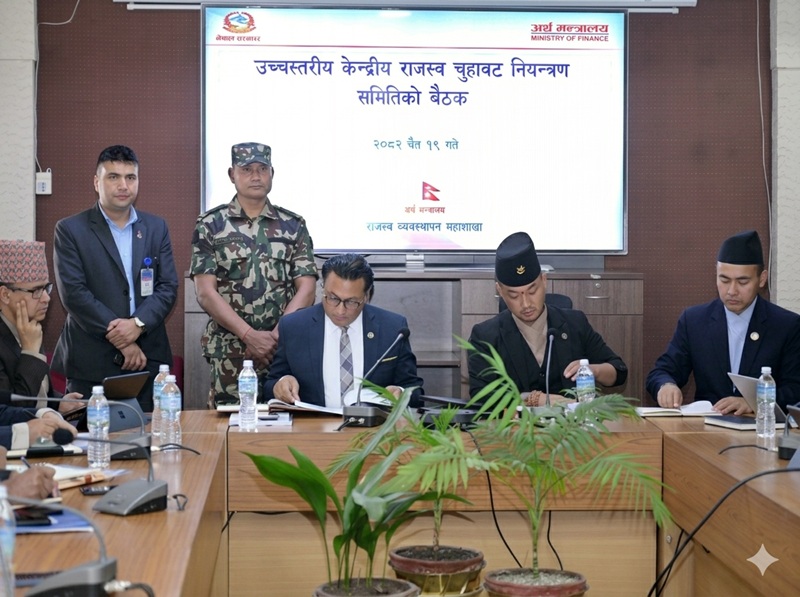
Recognizing that a Rs 100 limit is entirely unfeasible in today’s economy, the Ministry of Finance and customs officials are using the upcoming budget framework to engineer a long-term solution.
Proposed Change: A revised duty-free threshold of Rs 2,000 to Rs 2,500 specifically targeting daily-use items and household goods.
While the increased cap will make routine grocery runs legal and stress-free for border communities, the government does not plan to leave the gates entirely unchecked. To prevent commercial smugglers from exploiting the relaxation, officials are planning to attach strict compliance rules to the new limit.
Anticipated Check Measures
Mandatory Invoices: Travelers will likely be required to present official purchase bills or cash memos to verify the value of their goods.
Frequency/Usage Caps: Restrictions may be placed on how many times an individual can claim the duty-free exemption within a week or month.
Strict Point-of-Entry Verifications: Random luggage checks and joint monitoring by the Armed Police Force (APF) and customs officials will continue to ensure commercial cargo isn’t masquerading as household property.
Balancing Revenue and Public Welfare
Local retail bodies and chambers of commerce in border cities like Bhairahawa initially praised the strict rules, noting that they boosted domestic retail sales and discouraged illegal smuggling rings. However, the sheer economic burden it placed on vulnerable border populations made a policy pivot necessary.
By elevating the limit to a realistic Rs 2,000+, the upcoming budget aims to strike a delicate balance: providing relief to ordinary Nepalese households while maintaining airtight boundaries against large-scale, tax-evading commercial operations.
The final confirmation, exact item exemptions, and regulatory guidelines will be made official when the finance minister presents the budget.
For more: Nepal Increase India Border Duty-Free