Government Prepares to Launch Cell Broadcasting Technology for Enhanced Disaster Early Warning System

9th September 2026, Kathmandu
The government is actively preparing to introduce advanced cell broadcasting technology to make the early warning system for floods landslides and other natural disasters more effective.
Cell Broadcasting Technology Launch
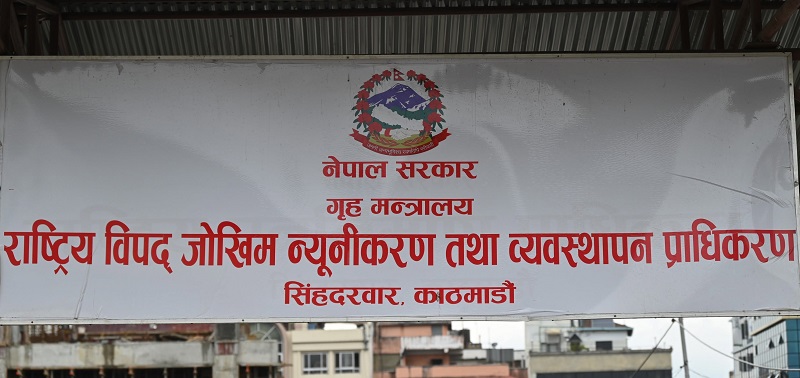
The National Disaster Risk Reduction and Management Authority in coordination with the Nepal Telecommunications Authority is leading the implementation process. A dedicated task force has been formed to finalize the operational procedures which are currently in the final stages of completion.

Key Features of Cell Broadcasting Technology
The adoption of cell broadcasting technology introduces several technological upgrades over traditional disaster warning methods.
Advertisement

- Screen Alerts: Emergency messages pop up directly on mobile phone screens accompanied by distinct sound and vibration alerts.
- Works Without Active SIM: Disaster warnings can be delivered to all mobile devices within network coverage area even if they lack an active SIM card.
- High Network Efficiency: The system can send alerts simultaneously to thousands of users even during periods of heavy mobile network congestion.
- Rapid Dissemination: Emergency notifications are broadcast instantly to everyone located in potential danger zones without delay.
Inter Agency Integration and Implementation Cost
To maximize operational effectiveness during emergencies the government is working to create an integrated communication infrastructure.
- Agency Integration: Preparations are underway to connect the cell broadcasting network with the Department of Hydrology and Meteorology the Nepal Army the Nepal Police and other security bodies.
- Mass Media Expansion: Future plans include connecting radio and television broadcasting networks to the emergency warning framework to maximize public reach.
- Projected Budget: Preliminary estimates suggest that implementing this nation wide disaster alert system will cost up to Rs 100 million.
Background and Shift Toward Modern Early Warnings
The decision to upgrade the national early warning mechanism comes after positive results from past disaster responses. During the Bhotekoshi flood in Rasuwa SMS based early warnings proved instrumental in alerting local residents enabling them to move to safer locations in time. Building on this experience authorities are modernizing disaster management systems to safeguard lives and property across vulnerable regions.
For More: Cell Broadcasting Technology Launch