
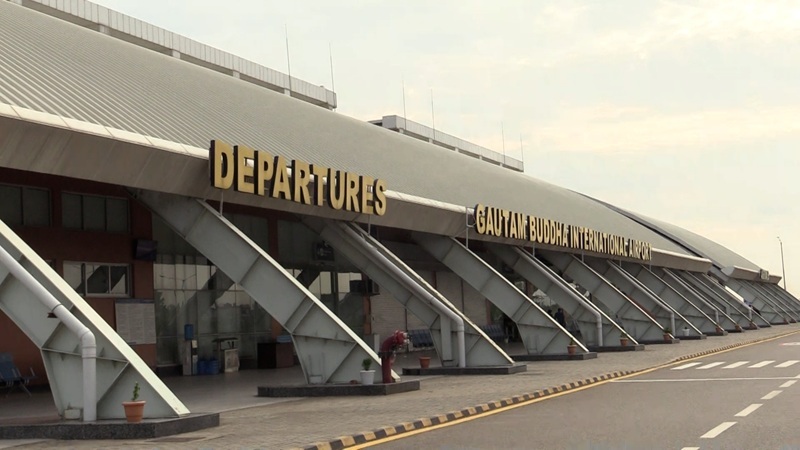
Why Is Gautam Buddha International Airport Still Inoperative? Four Years On, Nepal’s Private Sector Demands Answers

24th October 2026, Kathmandu
When Nepal inaugurated the Gautam Buddha International Airport (GBIA) in May 2022, it was hailed as a landmark achievement for the nation’s tourism and aviation sectors.
Built at an estimated cost of NPR 35 billion, the modern facility in Bhairahawa was designed to decentralize air traffic from Kathmandu’s congested Tribhuvan International Airport, offer direct international access to the UNESCO World Heritage site of Lumbini, and boost economic growth across Western Nepal.
Four years later, the multi-billion-rupee infrastructure project stands virtually dormant. Private investors who poured billions into surrounding hotels, travel agencies, and service industries are growing increasingly frustrated by the lack of scheduled international flights and are demanding clear answers from the government.
Heavy Investments, Negligible Flight Operations
Anticipating a surge in international tourists and Buddhist pilgrims, local entrepreneurs invested heavily in Bhairahawa’s hospitality and infrastructure sectors. However, the expected economic windfall has failed to materialize.
According to GBIA Information Officer Pawan Agrahari, the airport has recorded just 1,222 international flight movements (including both takeoffs and landings) and served approximately 69,000 international passengers over the past four years—figures largely driven by occasional charter services rather than regular commercial traffic. Furthermore, no airline has submitted flight schedules for the upcoming winter season.
The lack of consistent air connectivity has left major commercial investments stranded, placing severe financial strain on local businesses that relied on the government’s operational commitments.

Private Sector Scratches Beyond Foreign Airline Excuses
While official explanations often cite commercial viability, low passenger demand, and air route negotiations with neighboring India, business leaders argue the government must take responsibility for its own aviation policies.
Thakur Kumar Shrestha, President of the Federation of Nepalese Chambers of Commerce and Industry (FNCCI) for Lumbini Province, expressed deep frustration with the ongoing inaction:
“We feel so cheated that we don’t even feel like bringing up the topic of this airport anymore. Forget about foreign airlines for a moment—why aren’t Nepal Airlines and Himalaya Airlines operating regular flights from here? The government led the construction, investment, and inauguration of this airport. It cannot shirk its responsibility or blame external carriers while state-backed airlines remain absent.”
Advertisement

Shrestha emphasized that while international carriers like Qatar Airways or Malaysia Airlines operate purely on commercial market dynamics, state-owned Nepal Airlines Corporation (NAC) and national carriers should lead by example to establish operational viability.
A Call for Accountability and Actionable Steps
The ongoing delays have transformed GBIA from a simple tourism discussion into a broader debate on public accountability, government execution, and state support for private enterprise.
Local business leaders are urging the government to take concrete, immediate steps to operationalize the facility:
Mandate State Airline Routes: Enforce regular flight schedules for Nepal Airlines and Himalaya Airlines out of GBIA.
Resolve Air Route Negotiations: Engage in proactive diplomatic dialogue with Indian aviation authorities to establish efficient entry routes for incoming flights.
Develop Cargo Operations: Leverage the airport’s modern infrastructure for international air cargo if passenger volume builds gradually.
Issue Directives to the Private Sector: Provide clear, written guidelines on how local tourism and business communities can directly assist in market management and passenger generation.
Without decisive intervention from Nepal’s civil aviation authorities and government leadership, the multi-billion-rupee regional gateway risks remaining a costly, underutilized asset, further undermining investor confidence across the region.
For more: Gautam Buddha International Airport Still Inoperative