Agricultural Development Bank Threatens Lumbini Province Loan Defaulters with Public Blacklisting

21st May 2026, Kathmandu
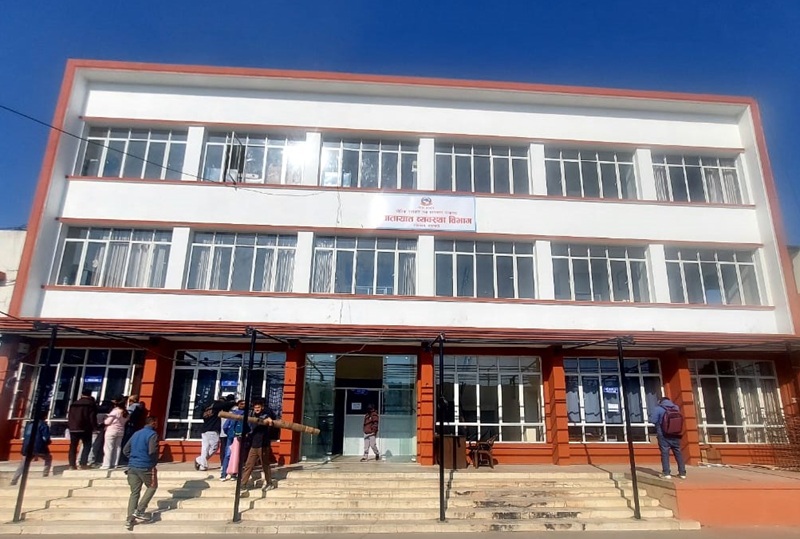
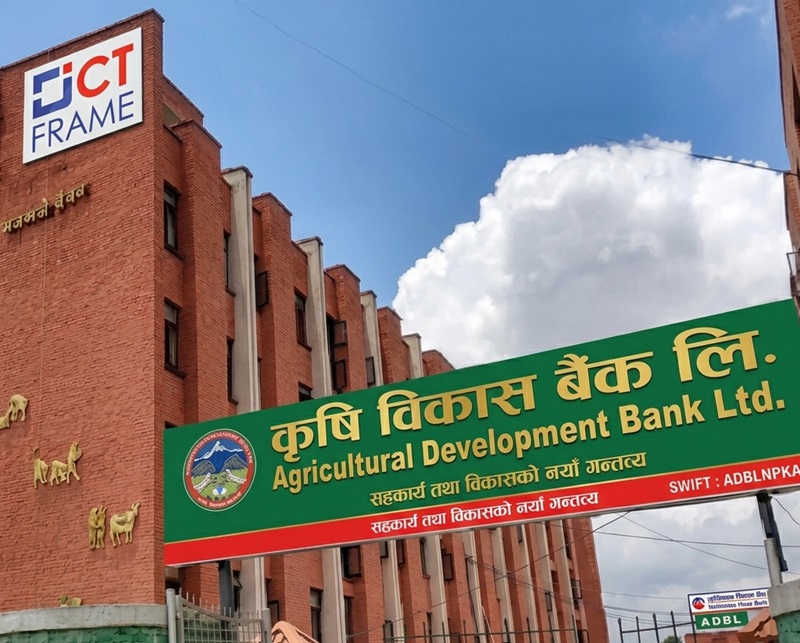
The banking system in Nepal is implementing increasingly strict measures to curb rising non-performing assets and maintain financial discipline among borrowers. In a decisive regulatory action, Agricultural Development Bank Limited, acting through its specialized Lumbini Province Office located in Bhairahawa, has officially published a comprehensive thirty five day public warning notice.
ADBL blacklist notice issued
This administrative document serves as a final ultimatum to numerous non-paying individuals, corporate firms, and private companies, warning them of imminent inclusion in the official credit blacklist managed by the Credit Information Center Limited.

Final Notice Issued Following Repeated Debt Recovery Failures
The publication of this public warning marks the culmination of a lengthy and exhaustive debt recovery process initiated by the commercial banking institution. According to the official notification issued in late May, the listed borrowers had previously secured credit facilities for diverse economic activities but subsequently failed to manage their financial obligations. The bank management highlighted that this aggressive public notice was deployed only after the borrowers completely ignored repeated verbal reminders, formal written warning letters, and even a previous twenty one day public notification requesting immediate settlement of outstanding principal and accumulated interest.
Legal Actions Triggered Under National Banking Statutes
The commercial lender has outlined severe legal and financial consequences for any borrower who chooses to ignore this final thirty five day timeline. Failure to clear all outstanding liabilities and administrative dues within the designated window will prompt the bank to initiate aggressive legal recovery procedures. These actions will be executed under the strict provisions of Section Fifty Seven of the Bank and Financial Institutions Act, along with the standard prudential directives issued by Nepal Rastra Bank regarding blacklisting protocols. This legal framework grants the bank the authority to seize and auction collateral assets to recover public funds.
Guarantors and Corporate Directors Face Group Blacklisting Penalties
The punitive reach of this banking action extends far beyond the primary individuals whose names are signed on the loan documents. The Agricultural Development Bank Limited has explicitly clarified that the blacklisting process will also swallow up business proprietors, corporate partners, company directors, and even third party collateral guarantors who backed the original credit applications. Being placed on the Credit Information Center blacklist completely freezes the financial capabilities of an individual or entity, effectively barring them from accessing future credit lines, opening new bank accounts, or participating in formal corporate activities across Nepal.
Advertisement

Agricultural Hubs and Subsidized Credit Portfolios Face Heavy Exposure
Geographically, the focus of this debt recovery drive is concentrated heavily within the Nawalparasi (Bardaghat Susta West) district, falling directly under the administrative jurisdiction of the Parasi branch office. The detailed loan ledger reveals that the defaults span a wide variety of credit products, reflecting the bank’s deep involvement in rural development. The non-performing credit lines include specialized agricultural financing, general household credit, targeted government-subsidized loans, commercial business loans, wholesale credit packages, and specific financial lines designed for the development of local fisheries.
Diverse Business Ventures Named in Public Default Ledger
The public notice includes a diverse list of businesses and individuals who have failed to maintain their financial health in the province. Among the prominent defaulters named in the bank document are operators of large scale livestock farming ventures, commercial poultry units, independent agricultural businesses, retail clothing stores, local vegetable and fruit wholesale shops, and even a few cooperative institutions. The inclusion of these varied sectors indicates that economic challenges have touched multiple layers of the provincial marketplace, prompting the state bank to protect its financial integrity through public disclosure.
Restricting Future Financial Access Protects the Banking System
By moving forward with these public disclosures, the Agricultural Development Bank Limited aims to send a powerful message regarding credit accountability across the country. The banking leadership reemphasized that failing to address outstanding dues within the thirty five day window will result in immediate restrictions on accessing any future banking and financial services within the territory of Nepal. This systemic lockout ensures that chronic defaulters cannot migrate to other commercial banks to secure fresh funding, thereby protecting the wider national financial network from contaminated asset risks.
Strategic Capital Reclamation Supports Future Agricultural Credit
Ultimately, reclaiming these frozen assets is vital for the bank to continue funding new development projects across Lumbini Province. When large volumes of capital become trapped in non-performing loans, the capacity of the institution to distribute fresh, subsidized credit to deserving farmers and micro-enterprises is severely diminished. As the thirty five day countdown progresses, financial analysts and local business communities will be watching closely to see if the named entities step forward to restructure their debts or face total financial exclusion through the national blacklisting registry.
For More: ADBL blacklist notice issued