Busy Tourist Season Leaves No Time to Celebrate Dashain: Tourism Entrepreneur Ram Prasad Sapkota

18th October 2026, Kathmandu
No Leisure to Celebrate Dashain Due to the Peak Tourist Season: Ram Prasad Sapkota: “In childhood, Dashain meant wearing new clothes, eating meat, and playing on traditional swings (Ping).” — Sapkota
Dashain, the grandest festival of Hindus, is widely cherished as an occasion to spend quality time with family, enjoy delicious feasts, wear new clothes, visit relatives, and celebrate together. However, for professionals working in the tourism industry, the Dashain-Tihar festive period coincides with the busiest peak trekking and tour season.
Because autumn offers ideal weather, tourism entrepreneurs must remain on standby to serve visiting travelers. As a result, they cannot celebrate festivals in a relaxed manner like individuals in other professions.
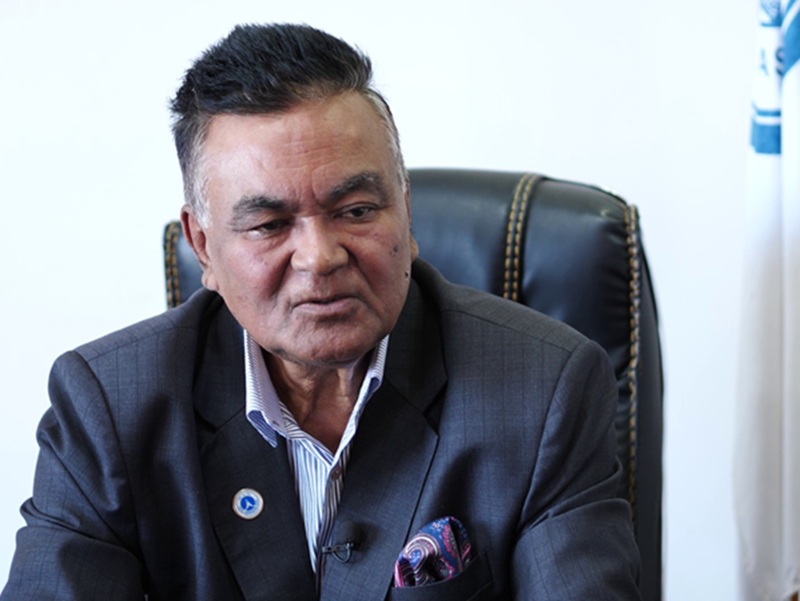
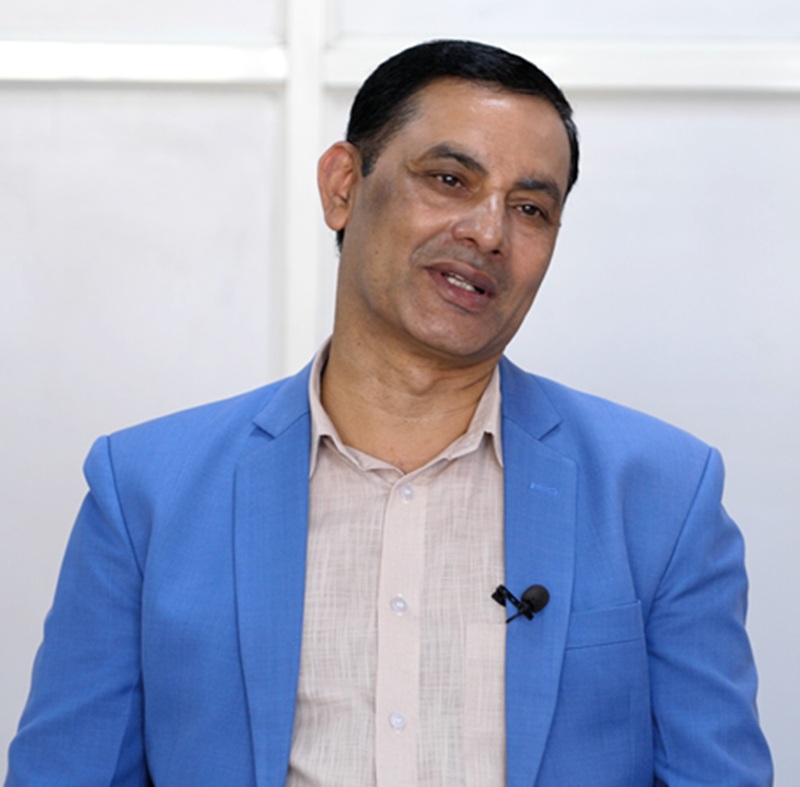
Ram Prasad Sapkota “Kamal”, a prominent tourism entrepreneur and former Vice Chairperson of the Nepal Tourism Board, shares that Dashain is a uniquely demanding experience for those working in tourism.
1. Business and Duty Take Priority Over Festivities
According to Sapkota, hoteliers, trekking guides, and travel agency operators must prioritize guest management and service delivery during this period.
Work Comes First: “Because autumn is our peak tourist season, we have to work straight through Dashain. We cannot take long breaks like people in other professions,” Sapkota stated.
Early Celebrations for Staff: Hotel staff often hold early, pre-Dashain festive meals together because on the main festival day, full business operations must continue uninterrupted.
Limited Family Time: Sapkota notes that he cannot leave the Kathmandu Valley during Dashain. He fits in brief moments to receive Tika and bless family members between guest appointments, but long holidays are out of the question.

2. Taking Time Off in the Off-Season
To compensate, tourism operators choose low-demand months to travel and spend uninterrupted time with family.
Advertisement

Off-Peak Months for Tourism: January, February, June, July, and August.
During these months, tourist activity drops significantly, allowing business owners to plan family vacations both within Nepal and abroad.
3. Dashain Then vs. Dashain Now
Reflecting on his childhood in a family of modest means, Sapkota noted a stark contrast between how Dashain was celebrated in the past versus today:
| Metric | Childhood Dashain | Present-Day Dashain |
| Main Highlight | Waiting eagerly for new clothes & meat dishes | Standard everyday occurrence; no longer a luxury |
| Primary Attraction | Playing on traditional bamboo swings (Ping) | Managing guest logistics and business duties |
| Mindset | Pure excitement and freedom | Balancing family, business, and institutional responsibilities |
He attributes this shift not only to growing personal and professional responsibilities but also to general economic development and improved standards of living across the country.
4. Festivals as Cultural Tourism Products
Sapkota emphasizes that Nepalese festivals should be positioned as dynamic tourism products to attract international visitors.
Experiential Travel: Tourists visit Nepal not just for the Himalayas, natural beauty, and heritage sites, but also to experience local culture, religion, and traditions firsthand.
Cultural Integration: “We can showcase our Dashain rituals—such as applying Tika and performing Pujas—to guests so they can understand how we celebrate,” Sapkota suggested.
Global Promotion: Integrating tourists into local festivities enhances their travel experience while promoting Nepal’s rich cultural heritage on the international stage.
Festive Greetings
On the occasion of Vijaya Dashami, Sapkota extended his warm wishes for happiness, prosperity, and good health to all Nepalese, urging everyone to explore innovative ways to link traditional festivals with sustainable tourism promotion.
For more: Busy Tourist Season Leaves No Time