Dhading Bus Accident Investigation Committee Formed After Tragic Crash

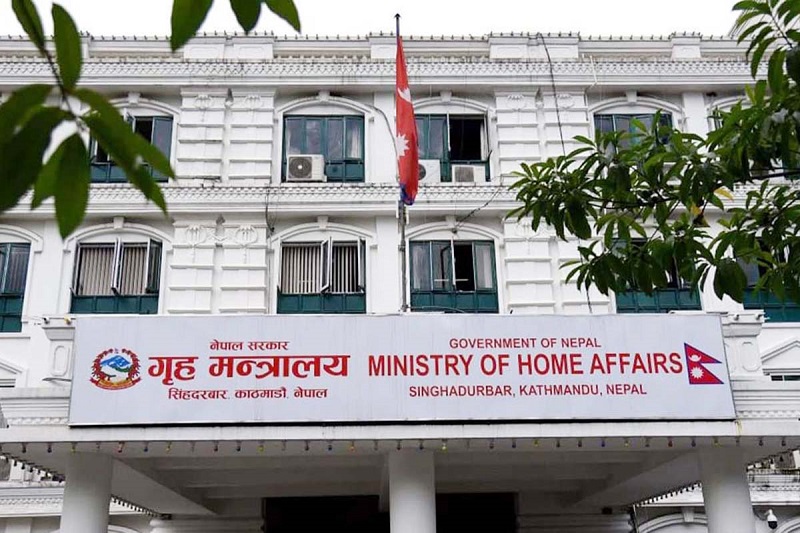
This image shows the building of the Ministry of Home Affairs in Singha Durbar, Kathmandu, on Wednesday, July 13, 2022. Photo: RSS
23rd February 2026, Kathmandu
The Ministry of Home Affairs has officially taken a decisive step toward accountability and public safety by forming the Dhading Bus Accident Investigation Committee. This high level decision was formalized during an emergency meeting on February 23, 2026 (Falgun 11, 2082), chaired by Home Minister Om Prakash Aryal. The move follows one of the most devastating road tragedies of the current year, occurring on the Prithvi Highway, a critical artery connecting the capital city to western Nepal. By establishing a dedicated probe committee, the government aims to go beyond immediate rescue efforts and delve into the systemic failures that continue to claim lives on Nepal’s highways. This initiative is seen as a vital response to growing public outcry over deteriorating road safety standards and the perceived lack of oversight in the long distance public transport sector.
Dhading Bus Accident Investigation
The investigation stems from the horrific incident that took place on Sunday night at Bhainsagaunda, located within the Benighat Rorang Rural Municipality 5 of Dhading. A passenger bus with the registration number G2K 1421, which was en route from the tourist city of Pokhara to Kathmandu, lost control and plunged off the road toward the Trishuli River. The scale of the disaster was immense, resulting in the loss of 19 lives, while 26 other passengers sustained varying degrees of injuries. The injured individuals were rushed to several hospitals in Kathmandu, where they continue to receive intensive medical care. Preliminary reports from the site suggest that the bus veered off a steep section of the highway, but the exact technical or human factors involved remain the subject of the newly formed committee’s mandate.
The Dhading Bus Accident Investigation Committee has been tasked with a multi dimensional inquiry. While the specific names of the members are being finalized from the Ministry of Physical Infrastructure and Transport, the Nepal Police, and technical experts from the Department of Transport Management, the committee’s primary focus will be on three core areas. First, it will examine the mechanical condition of the vehicle G2K 1421 to determine if mechanical failure, such as brake malfunction or steering issues, played a role. Second, it will investigate the conduct of the driver, including potential fatigue, overspeeding, or distraction. Third, the committee will evaluate the road conditions at Bhainsagaunda, looking for deficiencies in barriers, signage, or road surface quality that might have exacerbated the severity of the crash.
Strategic importance is being placed on the committee’s final recommendations, which are expected to influence national road safety policies. In Nepal, highway accidents are often attributed to a combination of difficult terrain and poor vehicle maintenance. The Home Ministry has emphasized that this committee must identify not just the immediate cause of the Dhading crash but also the regulatory lapses that allow unsafe vehicles to operate on treacherous mountain roads. The findings will likely lead to stricter enforcement of the time card system for long distance buses, mandatory double drivers for night shifts, and more frequent mechanical fitness tests at transport hubs. By ensuring that the investigation is transparent and time bound, the government hope to restore a sense of security among the thousands of commuters who rely on the Prithvi Highway daily.
Advertisement


The community and governmental response following the accident has been massive. Local residents of Benighat Rorang were the first to arrive at the scene, braving the difficult terrain and darkness to pull survivors from the wreckage. This was followed by a coordinated effort involving the Nepal Army, the Armed Police Force, and the Nepal Police, who utilized specialized equipment for the riverbank rescue operation. Home Minister Om Prakash Aryal has directed the local administration in Dhading to provide all necessary support to the families of the deceased and to ensure that the medical expenses of the injured are covered. This humanitarian response, while necessary, highlights the recurring cost of road accidents on the nation’s social and financial resources, further justifying the need for the investigation committee’s preventive focus.
Furthermore, the formation of the Dhading Bus Accident Investigation Committee is a call to action for the private transport syndicates and committees that manage the majority of public vehicles in Nepal. The report is expected to scrutinize the internal safety protocols of the bus operators and their adherence to labor laws regarding driver work hours. As the committee begins its work, there is a push from civil society organizations for the inclusion of independent road safety auditors to ensure that the probe remains impartial. The goal is to produce a report that does not just sit in a drawer but serves as a blueprint for a safer, more reliable transportation ecosystem in the year 2082 and beyond.
In conclusion, the Dhading Bus Accident Investigation Committee represents a formal and structured effort to find justice for the 45 victims of the G2K 1421 tragedy. With 19 families in mourning and dozens more recovering from trauma, the stakes for this investigation are incredibly high. By combining technical expertise with a commitment to regulatory reform, the Ministry of Home Affairs is attempting to address the root causes of highway carnage. The success of this committee will be measured by its ability to prevent the next tragedy, ensuring that the roads of Nepal become pathways for progress rather than scenes of sorrow. The nation now waits for the committee’s findings, hoping that this somber milestone leads to a lasting transformation in road safety and vehicle regulation.
For More: Dhading Bus Accident Investigation