Finance Ministry Encourages CIT to Boost National Projects

19th March 2026, Kathmandu
The Finance Ministry has formally called upon the Citizen Investment Trust (CIT) to transition from a traditional savings collector to a primary engine for national development.
Finance Ministry Encourages CIT
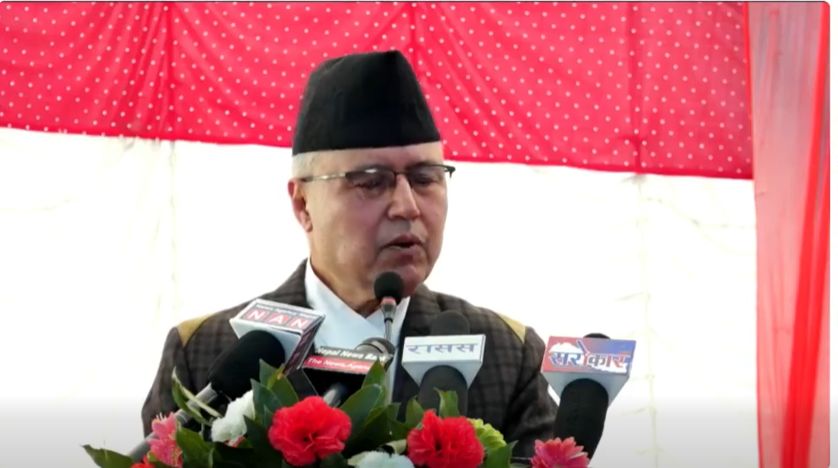
Speaking at the 36th anniversary of the institution on March 18, 2026, Finance Minister Rameshwor Prasad Khanal emphasized that the Finance Ministry encourages CIT to mobilize its massive capital pool toward transformative infrastructure, specifically highlighting the Budhigandaki Hydropower Project as a priority. This strategic shift is designed to reduce Nepal’s reliance on foreign debt by leveraging domestic institutional savings for long-term sovereign projects.
Strategic Mandates from the Finance Ministry
The government’s directive aims to remove the historical barriers that have kept institutional investors like CIT on the sidelines of major construction and energy works.
Elimination of Double Taxation: The Finance Ministry is working to simplify the tax code for CIT’s investment income. By removing double taxation, the government aims to make long-term project financing more yield-competitive compared to short-term bank deposits.
Issuance of Long-Term Bonds: To manage liquidity, the ministry has proposed that CIT issue 15 to 20-year development bonds. these instruments will provide the stable, “patient capital” required for projects with long gestation periods, such as large-scale dams and highways.
Diversification of Portfolio: Beyond energy, the Finance Ministry encourages CIT to expand its footprint into modernized agriculture and high-value tourism infrastructure, which are seen as the next frontiers for the Nepali economy.
CIT’s Role in National Economic Stability
As one of the largest non-banking financial institutions in Nepal, the Citizen Investment Trust holds a unique position. The Finance Ministry’s encouragement is centered on turning these “static” savings into “active” developmental capital.
Energy Security: Directing funds into the 1,200 MW Budhigandaki Project is viewed as a matter of national security, ensuring that Nepal moves toward becoming a net exporter of green energy.
Public-Private Partnerships (PPP): The ministry urged CIT to act as a bridge, partnering with private developers to bring professional management and efficiency to state-backed projects.
Advertisement


Social Security Enhancement: By investing in high-growth national projects, CIT can ensure higher and more consistent returns for its millions of contributors, strengthening the national pension and provident fund systems.
Strengthening Internal Governance and Excellence
During the anniversary celebration, the CIT management also focused on the internal human capital necessary to manage this new, complex investment landscape.
Employee Recognition: The trust honored exemplary staff and security personnel, acknowledging that the move toward large-scale project management requires high levels of integrity and operational excellence.
Digital Transformation: CIT is currently upgrading its digital interface to allow contributors to track their investments and the “development impact” of their funds in real-time, aligning with the “Digital Nepal” initiative.
Impact on the Hydropower and Infrastructure Sectors
The Finance Ministry’s push for CIT to lead the funding of the Budhigandaki Hydropower Project is a signal to the entire energy sector. It suggests a future where domestic institutions—rather than international donors alone—dictate the pace of Nepal’s infrastructure growth.
Reduced Project Delays: Having a local “anchor investor” like CIT can provide the initial “seed capital” needed to start construction without waiting for lengthy international bidding processes.
Lower Interest Burdens: Local institutional funding often comes with more flexible terms than commercial international loans, reducing the overall cost of electricity for the public.
Job Creation: Investing in these mega-projects directly stimulates the local construction, cement, and steel industries, creating thousands of domestic jobs.
Conclusion
The Finance Ministry’s directive for the 36th anniversary of CIT marks a pivotal change in Nepal’s fiscal strategy. By encouraging CIT to fund national projects, the government is looking to build a self-sustaining investment cycle where the savings of Nepali citizens directly build the roads, power plants, and farms of the future. As CIT prepares to issue long-term bonds and enter the Budhigandaki project, the institution is set to become the cornerstone of Nepal’s journey toward a 2-trillion-rupee economy.
For More: Finance Ministry Encourages CIT