
Global Food Prices Hit Highest Level Since 2022 Amid Climate and Supply Pressures

5th September 2026, Kathmandu
Discover why global food prices have surged to their highest level since late 2022, according to the UN FAO August report. Learn how extreme weather, supply chain disruptions, and soaring sugar, wheat, and maize costs are impacting the global market.
Global Food Prices Hit Highest Level
Global food prices have resumed an upward trajectory, with the United Nations Food and Agriculture Organization (FAO) reporting that the Food Price Index reached 133.3 points in August. This represents a 1.9% increase compared to July and a 2.5% rise year-on-year, marking the highest level since late 2022.
According to the FAO, price increases affected all five major commodity groups. Extreme weather events, geopolitical tensions, and disruptions in trade and logistics are increasing supply risks for major global agricultural products.
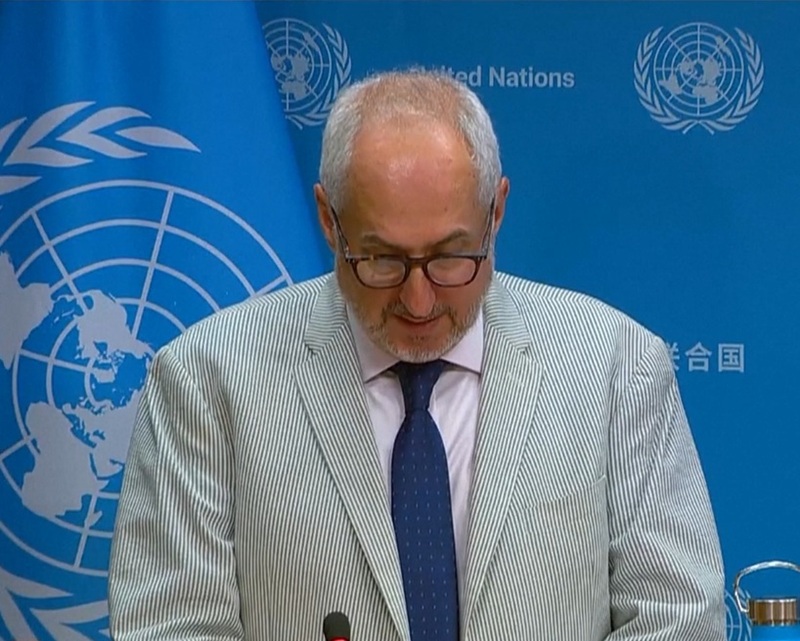
Stéphane Dujarric, Spokesperson for the UN Secretary-General, also noted that climate-related risks are driving the resurgence in food prices. He stated that the primary driver behind the August surge was heightened concern over supply stability fueled by high temperatures and other weather-related hazards.

Sharpest Increase in Sugar Prices
FAO data reveals that the sugar price index experienced the largest jump in August, soaring by 11.9% in a single month to reach its highest level since June 2025. This surge is driven by growing concerns over global sugar supplies for the 2026/27 production season. Contributing factors include severe heat and dry weather in the European Union and parts of Asia, expectations of lower sugar production in Brazil, and India’s decision to permit duty-free imports of raw sugar.
Wheat and Maize Prices Also Climb
In August, the cereal price index increased by 2.2%, hitting its highest level since May 2024.
-
Wheat prices rose by 2.6%, driven by persistent disruptions to exports and shipping from the Black Sea region, projected harvest declines due to heat and dry conditions in parts of Europe, and a weakening US dollar.
-
Maize prices increased by 2.5%, spurred by concerns over reduced yields in parts of the US and the European Union, robust demand from the ethanol and animal feed industries, and ongoing bottlenecks in exports from Ukraine.
Advertisement

Additionally, the vegetable oil price index grew by 0.6%—marking its third consecutive monthly increase and reaching its highest level since June 2022. Meat prices rose by 1%, while dairy prices increased by 2.3%, marking their first rebound in four months.
High Production Amid Growing Risks
Despite the recent price hikes, the August FAO Food Price Index remains 16.8% below the record high set in March 2022.
The FAO has lowered its global cereal production forecast for 2026 by 3.4 million tons compared to July. Nevertheless, total production is still projected to remain historically high:
-
Global cereal production is expected to reach approximately 2.98 billion metric tons. While this represents the second-highest output on record, it is about 2% lower than last year.
-
Global cereal stocks by the end of 2026/27 are projected to reach 947.20 million tons, down 1.1% from previous estimates.
The FAO warned that increasing climate change risks, regional conflicts, and supply chain disruptions continue to introduce uncertainty into the global food market. Even with strong overall production levels, vulnerabilities in the supply chain could exert additional pressure on food prices in the days ahead.
(Source: CCTV)
For more: Global Food Prices Hit Highest Level