
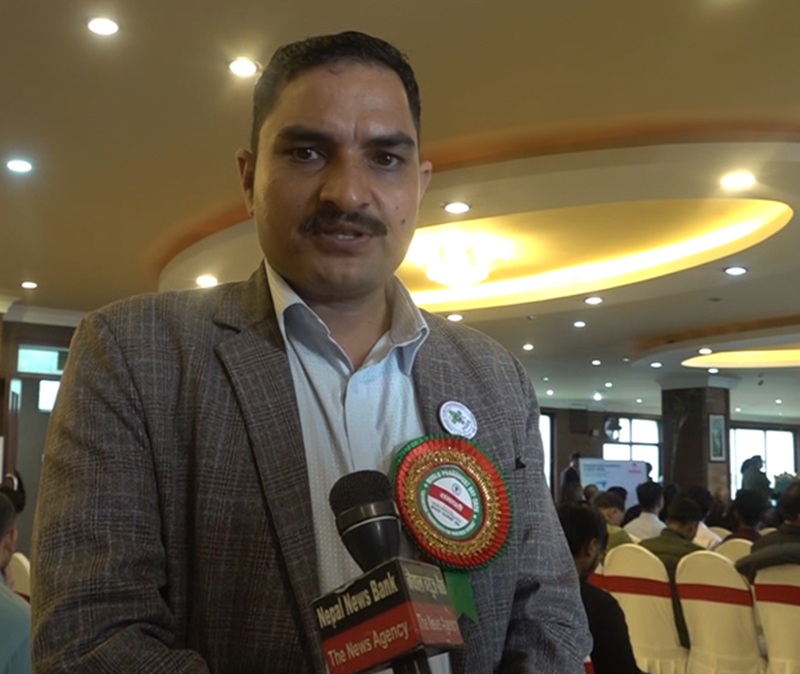
Nepal Pharmacy Sector Reforms: Boosting Local Medicine Production | PhAN President Yuba Raj Bhusal

26th September 2026, Kathmandu
Pharmacy Association of Nepal (PhAN) President Yuba Raj Bhusal calls for urgent policy reforms to improve pharmacy services and expand domestic medicine manufacturing.
Focus Keywords: Pharmacy Association of Nepal, PhAN, Yuba Raj Bhusal, quality medicine production Nepal, Nepal pharmaceutical industry, healthcare policy Nepal.
Why Nepal Needs Policy Reforms to Elevate Pharmacy Services and Medicine Production
Nepal’s healthcare landscape is evolving rapidly, but building a robust and international-standard healthcare system requires immediate legislative updates.
Speaking on the occasion of World Pharmacy Day, Yuba Raj Bhusal, President of the Central Working Committee of the Pharmacy Association of Nepal (PhAN), stressed that updating existing laws and policy frameworks is essential to ensure quality medicine production and expand pharmacy services across the nation.
Following a policy discussion with federal parliamentarians in Kathmandu, President Bhusal highlighted that policy reform is not just about enacting new laws—it is about bridging execution gaps to meet international standards.
Aligning Healthcare Laws with International Standards
To deliver high-quality healthcare to citizens, Nepal must align its existing regulations with global benchmarks. Existing acts, laws, and regulations in the pharmacy sector require systemic revisions to keep pace with modern medical practices.
“To make quality pharmacy services and drug manufacturing effective in Nepal, reforming existing acts and regulations is vital. Alongside legal updates, strong attention must be paid to effective implementation.” Yuba Raj Bhusal, President, Pharmacy Association of Nepal (PhAN)
Bhusal emphasized that legal, theoretical, and scientific foundations must be built to support three pillars of the sector:
Quality Education for emerging healthcare professionals
Quality Medicines through standardized manufacturing
Quality Pharmacy Services accessible across all communities
Domestic Manufacturing: Meeting Over 50% of National Demand
One of the most promising achievements of the Nepalese pharmaceutical industry is its growing self-reliance. Currently, domestic pharmaceutical companies produce over 50% of the total medicines required in the country.
Economic and Healthcare Impact of Local Manufacturing:
Import Substitution: Reduces reliance on foreign drug imports, keeping capital within the national economy.
Job Creation: Generates skilled employment opportunities across research, manufacturing, and distribution.
Advertisement

Specialized Medicine Production: Local manufacturers have recently begun producing specialized medicines, reducing the need for imports in critical therapeutic areas.
To sustain this momentum, the Pharmacy Association of Nepal is urging the government to create an enabling environment with financial and policy incentives for domestic manufacturers.
The Multi-Faceted Role of Pharmacists in Healthcare
Pharmacists are central to the integrity of the healthcare delivery system. President Bhusal highlighted that qualified pharmacists play a critical role across diverse domains:
Community Pharmacies: Ensuring safe drug dispensing, patient counseling, and primary healthcare guidance.
Hospital Pharmacies: Managing clinical pharmacy services, dosage monitoring, and patient safety in inpatient settings.
Industrial Sector: Leading drug formulation, quality assurance, and compliance with Good Manufacturing Practices (GMP).
Academia & Research: Training the next generation of healthcare professionals and conducting clinical research.
Strengthening education and institutional support for pharmacists directly translates into better patient outcomes and safer medication management nationwide.
Bridging the Gap Between Legislation and Implementation
While legislative discussions are progressing, practical implementation remains a key bottleneck. Many existing laws face operational hurdles, leaving real-world problems unaddressed.
The recent policy interaction between PhAN and federal lawmakers focused on:
Identifying specific gaps in current pharmaceutical legislation.
Designing realistic, workable solutions for upcoming parliamentary bills.
Ensuring future laws directly reflect the operational realities of pharmacies and drug manufacturers.
Conclusion: Building a Resilient Healthcare Future for Nepal
For Nepal to achieve long-term healthcare independence, government authorities and lawmakers must prioritize policy reforms in the pharmaceutical sector. Supporting domestic manufacturers, empowering qualified pharmacists, and enforcing rigorous quality standards will protect public health while driving economic growth.
By creating a transparent, scientific, and modern legal framework, Nepal can establish a resilient healthcare system capable of serving all its citizens with safe, high-quality, and locally produced medicines.
For more: Nepal Pharmacy Sector Reforms Boost