Nepal’s Hidden Road Safety Epidemic: Data, Infrastructure, and Policy Reform

8th August 2026, Kathmandu
Nepal’s roads are becoming increasingly dangerous, but the traditional response blaming driver negligence and increasing traffic fines is failing to solve the problem.
Nepal’s Hidden Road Safety Epidemic
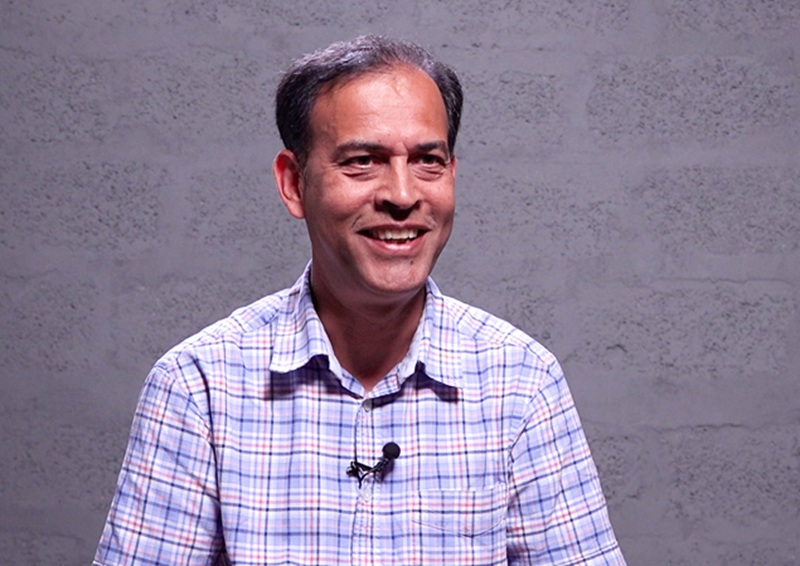
According to leading road safety researcher Dr. Puspa Raj Pant, Nepal requires an urgent overhaul of its policy, data management, and physical infrastructure if it hopes to curb its rising fatality rate.
While official government statistics report an average of 7 road deaths per day, World Health Organization (WHO) modeling reveals a far more shocking reality: around 23 people die every day in Nepal due to road crashes, adding up to roughly 8,500 fatalities annually.
Here is a breakdown of why Nepal’s current road safety framework is falling short and what must be done to fix it.

1. The Myth of the “90% Driver Error”
The conventional narrative in Nepal claims that 90% of accidents are caused by driver carelessness, while poor road infrastructure accounts for just 1%. Dr. Pant strongly refutes this static view.
“The road is the foundation of everything. Whether you drive a brand-new car, a motorcycle, or a bus, the road environment dictates safety.”
Rather than shifting all blame onto drivers, the state must acknowledge that safe road infrastructure is the true baseline of a safe transport system. Well-designed roads reduce human error, whereas poorly planned roads make accidents almost inevitable.
2. Weak Data Leads to Weak Policies
Policy is only as good as the data behind it. Because official traffic records drastically underestimate deaths and undercount serious injuries, national transport policies are built on an understated scale of the problem.
Underreported Casualties: Thousands of severely injured victims are left out of long-term tracking and economic impact assessments.
Limited Interventions: When official figures show 7 daily deaths instead of the actual 23, government budgeting and safety programs remain proportionately small and underfunded.
3. Fines Without Infrastructure Are Unfair
Increasing traffic fines without building fundamental road infrastructure is not a strategy it is an unfair burden on citizens.
Advertisement

Dr. Pant compares punishing drivers under these conditions to taking a final exam on the day you enroll in school. The government must first provide visible lane markers, street lighting, speed management designs, and proper signage before enforcing strict penalties.
4. The Urgent Need for an Independent Road Safety Council
Currently, the Ministry of Physical Infrastructure and Transport is responsible for both building roads and regulating safety. This dual role creates a clear conflict of interest.
Infrastructure Ministry: Focuses primarily on construction, paving, and bridge delivery.
Road Safety Council: Should focus exclusively on user protection, safety standards, and independent auditing.
While the newly drafted National Transport Policy envisions an independent Road Safety Council, Dr. Pant urges authorities to pass the necessary legislation immediately to operationalize it.
5. Structural Overhauls Required Across the System
To build an integrated road safety ecosystem, action must be taken across multiple fronts:
Overhauling Driver Licensing
Nepal adds approximately 300,000 new drivers annually. Passing a basic trial test is not enough. Nepal must adopt international standards requiring supervised driving hours with certified instructors under varied road conditions before issuing a full license.
Self-Enforcing Road Design
In sensitive areas like school zones, zebra crossings alone are insufficient. Roads need physical engineering features—such as raised pedestrian crossings (speed tables)—that force drivers to slow down naturally, regardless of individual choice.
Helmet Quality & Testing Labs
Head and spinal injuries place a massive burden on Nepal’s healthcare system. Establishing national helmet standards and local testing laboratories to ensure quality can dramatically cut traumatic brain injuries.
Road Safety is an Economic Investment, Not an Expense
International studies show that road traffic accidents cost Nepal approximately 3% of its annual GDP. Unlike most South Asian countries where road death rates are steadily declining, Nepal and Bangladesh are among the few where crash rates continue to climb.
Fixing Nepal’s roads is not just about enforcement—it requires multi-agency coordination between urban planners, traffic police, healthcare systems, and local governments. Investing in safer infrastructure is an investment in Nepal’s economic future.
For more: Nepal’s Hidden Road Safety Epidemic