
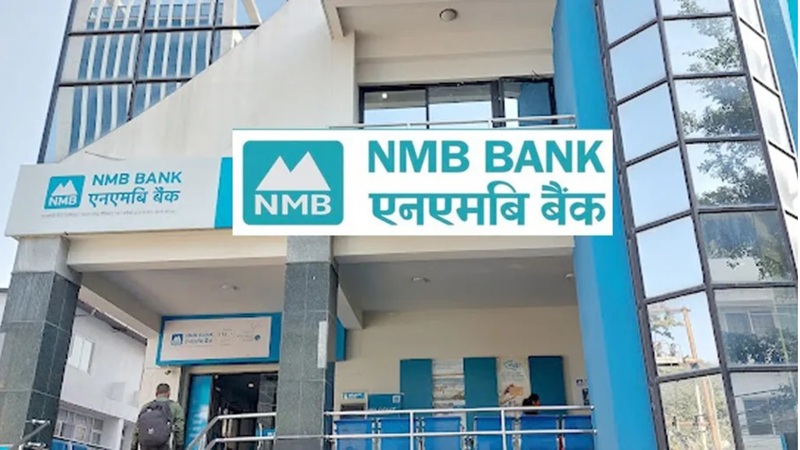
NMB Bank Limited Demands Immediate Loan Settlement or Surrender of Collateral Vehicles Within 15 Days

Website size - NMB
27th May 2026, Kathmandu
Enforcing strict credit discipline remains a core operational requirement for commercial banking institutions seeking to protect public deposits and maintain a healthy asset portfolio. In a decisive move against non-performing assets, NMB Bank Limited has issued an urgent public notification targeting multiple borrowers who have consistently defaulted on their vehicle financing agreements.
NMB Bank Issues Notice
The bank has established a definitive timeline for these individuals and business entities to either clear their outstanding liabilities in full or hand over physical possession of the vehicles pledged as security. This formal announcement marks the transition from standard follow-up reminders to active asset repossession and legal enforcement procedures.

Exhaustive Recovery Efforts Preceding the Final Enforcement Mandate
The issuance of this public warning follows a long sequence of borrower engagement efforts, showing that the financial institution has exhausted all standard amicable channels before initiating strict recovery protocols.
According to the recovery department of the bank, the defaulting clients were provided with numerous opportunities to regularize their loan accounts over an extended duration. The bank had previously issued multiple verbal reminders, followed by formal written notices delivered directly to the registered addresses of the borrowers and guarantors.
Furthermore, a mandatory 35-day public repayment notice was also published in leading national dailies, offering a generous window to clear the accumulated arrears. Because the listed individuals completely failed to respond to these prior notices or settle their financial obligations, the institution has been compelled to deploy its legal right to secure the underlying assets.
Operational Options Outlined in the 15 Day Cut Off Window
The formal notice presents the affected borrowers with two explicit paths of action, which must be executed within 15 days from the date of publication. Failing to comply with either option will immediately trigger severe legal consequences.
To avoid the forceful seizure of property and subsequent legal complications, borrowers must either completely repay the entire outstanding principal amount alongside all accumulated interest, penal fees, and administrative charges, or physically deliver the hypothecated vehicles to the bank. The collection process is being directly managed by the specialized recovery unit of the bank, which operates out of its corporate headquarters in Naxal, Kathmandu.
The bank has explicitly warned that the vehicles remain legally pledged to the financial institution under signed loan agreements, meaning any unauthorized possession, hiding, or continuous operation of these assets by the defaulters will be legally treated as unlawful, prompting swift intervention from law enforcement agencies.
Advertisement

Specific Corporate Defaulters and Listed Commercial Vehicles
The official notice provides a clear breakdown of the specific corporate entities, primary borrowers, and personal guarantors involved in these long-standing default cases. The outstanding liabilities are primarily linked to commercial transportation and construction logistics financing.
Among the prominent default cases highlighted by the bank are K. A. Construction, K. D. M. International Private Limited, and Rohit Enterprises. These business entities had secured substantial credit lines to acquire heavy equipment and commercial passenger vehicles necessary for their business operations. The specific vehicles listed for immediate surrender include heavy-duty Tata tipper trucks, which are commonly utilized in infrastructural earthmoving projects, a Renault Duster passenger vehicle, and versatile Tata Xenon utility pickup models.
These automobiles are officially registered under various transport management offices across Nepal, and the bank has already coordinated with the relevant transport authorities to freeze any subsequent ownership transfers or registration renewals.
Understanding the Legal Framework of Hypothecation and Repossession
Vehicle financing in Nepal is structurally governed by specialized hypothecation agreements, which allow borrowers to retain physical possession and operational utility of an asset while the bank maintains primary legal ownership.
Under this legal framework, which complies fully with the directives issued by Nepal Rastra Bank, the financing bank retains the absolute right to repossess the asset if the borrower breaches the core repayment schedule. This public notification serves as the final administrative step required by law before the bank can mobilize internal security teams or seek judicial assistance to locate, seize, and auction the vehicles.
The proceeds generated from the subsequent public auction will be directly applied toward clearing the outstanding loan balances, and if any deficit remains, the bank holds the statutory right to attach the personal properties of both the primary borrowers and their legal guarantors to recover the remaining debt.
Conclusion: Strengthening Asset Quality Through Strict Legal Compliance
The recent public notice issued by NMB Bank Limited emphasizes the importance of adhering to debt obligations within the domestic financial ecosystem. By targeting commercial and construction vehicle loan defaults through a strict 15-day compliance window, the bank is taking necessary actions to protect its financial stability and reduce non-performing loans.
For the listed borrowers, this period represents the final opportunity to protect their credit reputations and resolve their liabilities before facing asset liquidation. Ultimately, these firm recovery initiatives help reinforce strict financial discipline, giving a clear message across the wider banking sector that asset security agreements will be fully enforced to preserve institutional health.
For More: NMB Bank Issues Notice


