Nepal Oil Corporation IPO Plan After Rs 13.5bn Profit

12th January 2026, Kathmandu
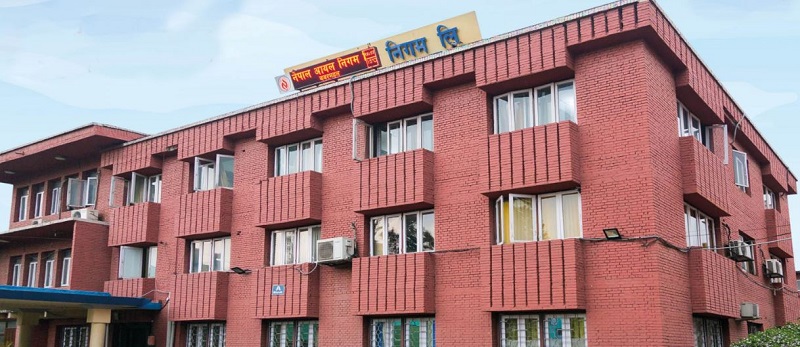
Nepal Oil Corporation (NOC), the state-owned petroleum monopoly, has initiated preliminary preparations to issue an Initial Public Offering (IPO) after recording a net profit exceeding Rs 13.5 billion in the last fiscal year 2081/82. The corporation is currently studying the feasibility of transforming itself from a fully government-owned entity into a public limited company to allow public shareholding.
NOC IPO Plan
The development marks a significant shift in Nepal’s public enterprise landscape, as NOC has historically operated under full state ownership. The move is aimed at strengthening institutional sustainability while providing ordinary citizens with an opportunity to become stakeholders in one of the country’s most strategic enterprises.
IPO Feasibility Study Underway
NOC’s Executive Director, Dr. Chandika Prasad Bhatt, confirmed that an initial study related to the IPO has already begun. Speaking at the corporation’s 56th anniversary celebration held in Kathmandu on Saturday, January 10, 2026, he stated that the long-term vision of the corporation is to gradually involve the general public in ownership as the institution becomes financially stronger and more resilient.
Dr. Bhatt emphasized that the IPO plan is still at an early stage and will require policy-level decisions, legal restructuring, and government approval before implementation. However, the strong financial performance of recent years has provided the foundation necessary to consider such a move.
Strong Financial Performance in FY 2081/82
According to NOC, the corporation recorded total transactions worth Rs 367 billion in the last fiscal year. During the same period, it earned a net profit of Rs 13.67 billion, marking one of the strongest financial performances in its history. In addition to profitability, NOC contributed significantly to the national treasury. The corporation claims to have deposited Rs 124 billion in revenue to the Government of Nepal during the fiscal year, highlighting its role as a major source of government income.
Dr. Bhatt attributed this financial turnaround primarily to the automatic fuel pricing mechanism revived in July 2023. This pricing system has helped stabilize cash flows, reduce political interference in pricing decisions, and improve financial discipline within the corporation. By aligning domestic prices with international rates provided by the Indian Oil Corporation (IOC), the corporation has managed to avoid the massive losses that plagued its balance sheets a decade ago.
Advertisement


Infrastructure Expansion and Cost Reduction
Nepal Oil Corporation has also made notable progress in infrastructure development. The 72-kilometer Motihari-Amlekhganj petroleum pipeline is fully operational, and the second phase of the project, including a 17,000-kiloliter storage facility at Amlekhganj, has reached its final stages. These projects have significantly reduced transportation costs and leakage losses. As a result, consumers are reportedly benefiting from fuel prices that are approximately Rs 2 per liter cheaper than before.
Furthermore, the corporation recently moved into the implementation phase for additional pipeline extensions. This includes the Siliguri-Charali pipeline to serve eastern Nepal and the extension of the current pipeline from Amlekhganj to Lothar in Chitwan. These projects, involving a total investment of around Rs 24.5 billion, are expected to further enhance supply security and reduce dependency on road-based fuel transportation.
Transition Toward Clean Energy
Beyond fossil fuels, NOC has also announced plans to diversify into cleaner energy solutions. The corporation has officially received Cabinet approval for the Order on Using Ethanol Blended Petrol, 2082 BS, allowing it to blend 10 percent ethanol into petrol starting this year. This move is expected to reduce petrol imports by approximately seven million liters annually, saving the country around Rs 6.25 billion in foreign currency.
In addition, NOC has set a long-term goal of contributing to Nepal’s net-zero carbon emission target by 2045 through the commercialization of green hydrogen. These initiatives signal a strategic shift toward sustainability and energy transition while maintaining fuel supply stability.
Government Direction and Oversight
Minister for Industry, Commerce and Supplies, Anil Kumar Sinha, has directed Nepal Oil Corporation to further improve service delivery, transparency, and operational efficiency. Speaking at the 56th anniversary event, the minister emphasized that as a strategic public enterprise, NOC must strengthen governance standards, especially if it moves toward public ownership through an IPO. He noted that the corporation must prioritize professional competitiveness and maintain a zero-tolerance policy toward corruption to justify its monopoly status and prepare for potential public scrutiny.
Conclusion
Nepal Oil Corporation’s plan to issue an IPO represents a landmark development in Nepal’s public sector reform agenda. Backed by strong profitability, improved infrastructure, disciplined pricing mechanisms, and future-oriented clean energy initiatives, the corporation appears well-positioned for partial public ownership. However, the IPO process will depend on regulatory approvals, legal restructuring, and broader government policy decisions. If implemented, the Nepal Oil Corporation IPO could become one of the most significant public offerings in the country’s capital market history, reshaping public participation in the energy sector.
For More: NOC IPO Plan