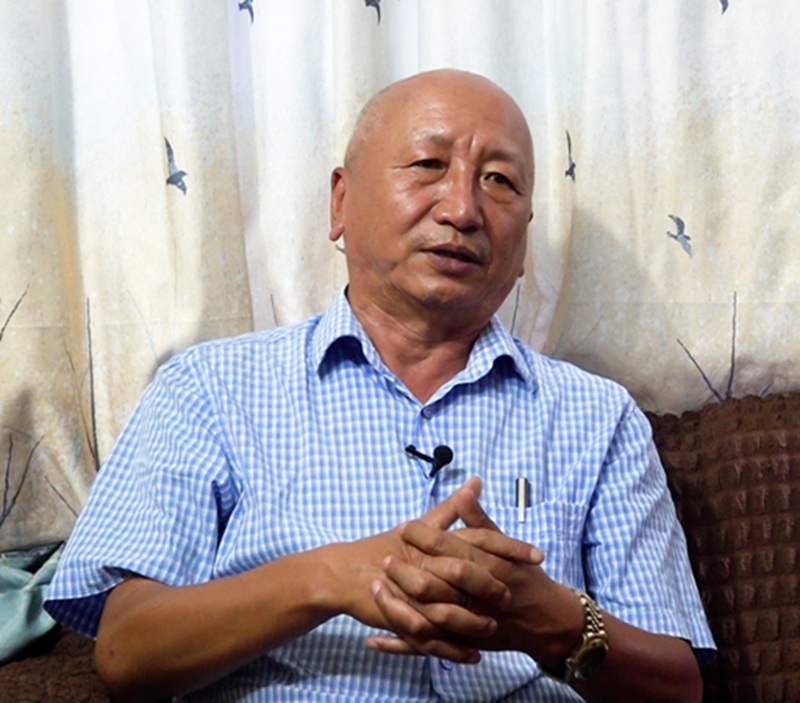
Spine Care Without Surgery: Advice from Medical Director of Grande International Hospital

11th July 2026, Kathmandu
Confused about lower back pain, sciatica, or a slipped disc? Medical Director of Grande International Hospital, Dr. Binod Bijukachhe, explains why up to 98% of spine and nerve compression cases do not require surgery. Learn the key differences between mechanical back pain and a herniated disc, the critical role of physiotherapy, and how modern endoscopic spine surgery offers safe, minimally invasive solutions for long-term relief.
Spine Care Without Surgery
Lower back pain and sciatica (nerve compression) have become incredibly common health complaints, affecting everyone from school-aged children to the elderly. While these conditions can be distressing, the Medical Director of Grande International Hospital, Dr. Binod Bijukachhe, reassures patients that the vast majority of cases do not require surgery.
According to Dr. Bijukachhe, up to 98% of patients suffering from back problems can fully recover through lifestyle adjustments, proper posture, targeted exercises, and physiotherapy.

Understanding “Mechanical Back Pain”
Not all back pain is the same. Dr. Binod Bijukachhe explains that the most frequent type of discomfort people experience is medically classified as mechanical back pain.
The Indicator: If your back pain decreases significantly while resting or lying down, but flares up during movement, walking, or lifting objects, it is mechanical.
The Location: This pain remains localized in the lower back region and does not travel down the legs.
What Causes Mechanical Back Pain?
Dr. Bijukachhe attributes the rise of mechanical back pain, especially among young working professionals, to modern sedentary lifestyles. The primary causes include:
Poor Posture: Prolonged slouching while using smartphones, laptops, or working at office desks.
Lack of Physical Activity: Inactive lifestyles that weaken the core muscles.
Excessive Body Weight: Extra weight puts continuous structural strain on the spine.
Improper Lifting: Bending down incorrectly to pick up heavy objects.
Sciatica and Nerve Compression: When Is It a “Slipped Disc”?
When pain extends beyond the lower back, it may indicate nerve compression, commonly referred to as sciatica or a slipped disc (disc herniation/prolapse).
Advertisement

“The intervertebral disc is a soft, shock-absorbing cushion between the spinal bones,” explains Dr. Bijukachhe. “Due to sudden strains, poor posture, or natural wear and tear, this soft disc can rupture or bulge outward, putting direct pressure on the spinal nerves.”
Symptoms of Nerve Compression
Unlike mechanical back pain, nerve compression causes radiating pain. If a nerve on the right side is compressed, the pain shoots down the right leg; if the left side is affected, it radiates down the left leg. This is often accompanied by numbness or a tingling sensation.
The Reality of Spine Surgery: Facts vs. Myths
Many patients panic when diagnosed with a slipped disc, fearing permanent paralysis or assuming major surgery is inevitable. Dr. Binod Bijukachhe dispels these myths:
No Need to Fear Paralysis: Nerve compression from a typical disc herniation does not automatically lead to paralysis.
Surgery is the Last Resort: Out of 100 patients with nerve compression, only 2 to 5 require surgery.
95% to 98% Recovery Rate Without Surgery: The overwhelming majority of patients heal successfully using temporary medication, core-strengthening exercises, and physiotherapy.
The Power of Physiotherapy and Prevention
Dr. Bijukachhe emphasizes that while medication can offer short-term relief during acute flare-ups, long-term spinal health relies heavily on active rehabilitation.
Exercise helps loosen stiff joints and strengthens the supporting muscles around the spine, creating a natural brace for your back. While aging and bone degeneration are natural processes that cannot be stopped, regular exercise preserves flexibility and mitigates the painful impacts of aging.
Dr. Binod Bijukachhe’s Top Tips for a Healthy Spine:
Avoid Prolonged Sitting: Do not sit in the same position for hours. Take a short standing or walking break every 30 minutes.
Fix Your Ergonomics: Ensure your computer screen is at eye level, and your chair supports your lower back. Avoid looking down at smartphones for extended periods.
Avoid Low Seating: Avoid sitting on very low stools or sitting cross-legged on the floor for long durations.
Manage Your Weight: Maintain a healthy weight to reduce the constant load on your spinal discs.
For more: Spine Care Without Surgery