Task Force Recommends Expansion and Fleet Upgrade for Kathmandu Valley Night Bus Service

8th September 2026, Kathmandu
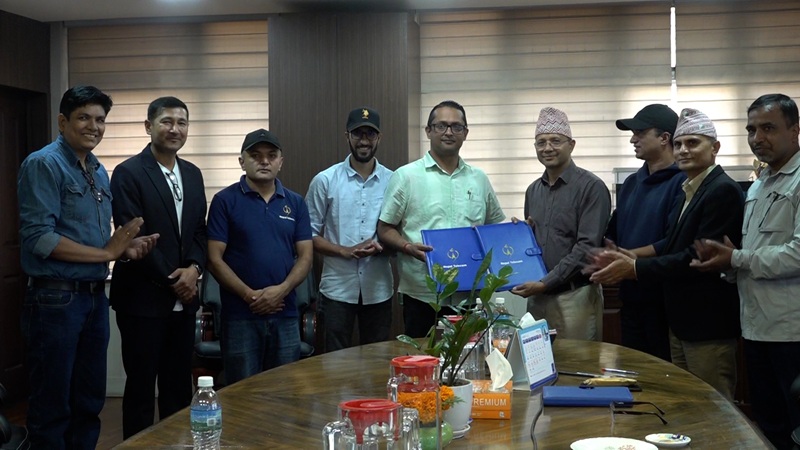
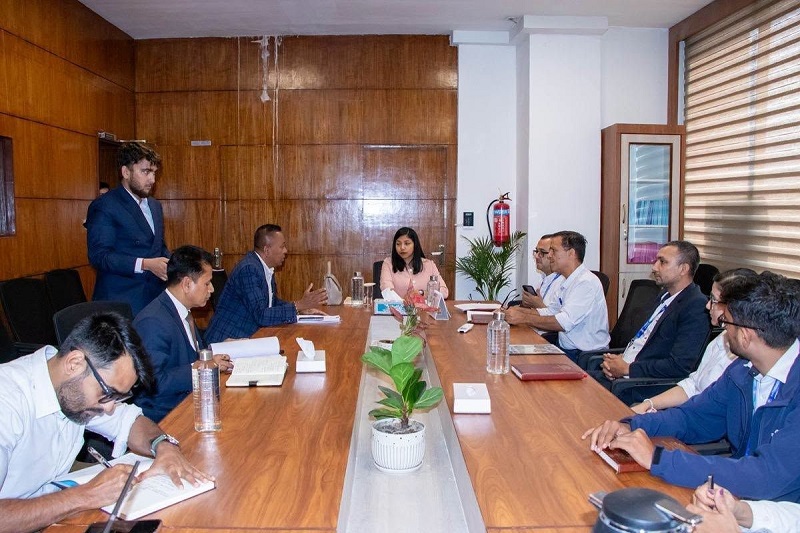
A task force coordinated by Kathmandu Metropolitan City has recommended expanding the Valley’s night-time public transport service across eight local governments and increasing the operational fleet from seven to 28 electric buses.
Task Force Recommends Expansion

Pilot Performance and Financial Deficit
Passenger Volume: During its initial three-month pilot run, the service accommodated 66,952 passengers, averaging 142 daily passengers per bus.
Revenue vs. Cost Gap: Each bus generated an average daily revenue of 3,134 rupees against an operational cost of 4,814 rupees, resulting in a daily loss of 1,690 rupees per vehicle (approximately a 35 percent operating deficit).
Passenger Distribution: The Thankot–Airport route accounted for 51.55 percent of total passenger traffic, while the Budhanilkantha–Lagankhel route served 48.45 percent. Short-distance riders (under five kilometers) made up 47 percent of overall patronage.
Proposed Sustainability and Financial Models
Night-Time Premium Fare: To offset higher operational expenses and staff night allowances, the task force proposed adding a 12-rupee premium to current standard fares (presently set at 20, 25, and 30 rupees based on travel distance).
Advertisement

Municipal Cost-Sharing Mechanism: Alternatively, the eight participating local governments would co-fund the deficit—50 percent split equally, and the remaining 50 percent weighted by municipal land area, population density, and route coverage.
Network Expansion and Safety Measures
Additional Routes: Proposed route expansions include Godawari–Budhanilkantha, dual-direction Ring Road circuits, Jagati–Thamel, and Kirtipur–Nepal Airlines, linking major hospitals, business centers, and entry corridors.
Participating Local Bodies: The expanded inter-city network encompasses Kathmandu, Lalitpur, Budhanilkantha, Chandragiri, Suryabinayak, Madhyapur Thimi, Godawari, and Kirtipur.
Safety and Operational Technology: Recommendations include implementing real-time GPS bus tracking, public location apps, designated bus stops, and internal CCTV cameras, with focused security provisions for female, senior, and tourist passengers.
Long-Term Governance: The task force recommended creating an urban public transportation authority to streamline long-term regulation and governance across the federal capital’s transport sector.
For More: Task Force Recommends Expansion