Election Commission Voter Education Program Nepal

9th February 2026, Kathmandu
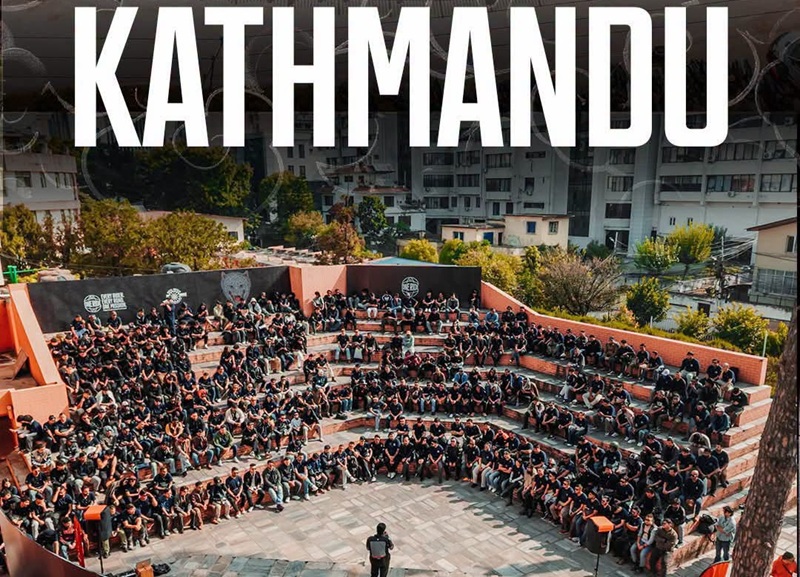
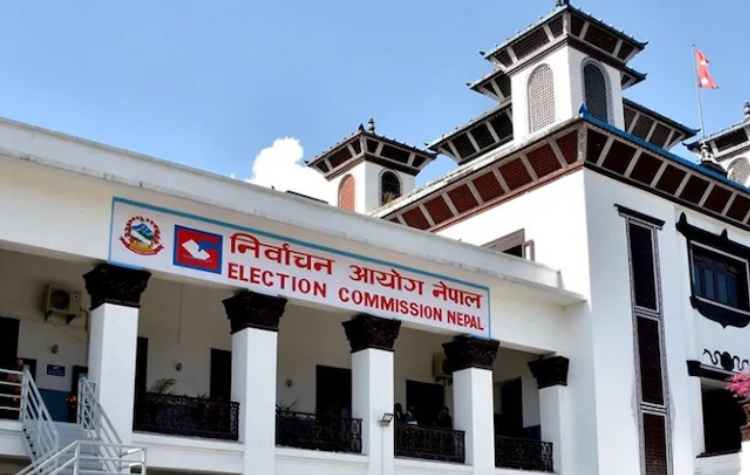
The Election Commission Voter Education Program has officially shifted into high gear across Nepal in preparation for the upcoming House of Representatives election, now confirmed for March 5, 2026 (Falgun 21, 2082). With the goal of reducing the historical invalid vote rate—which stood at 5.06 percent in the previous parliamentary polls—the Commission has transitioned from digital-only outreach to a massive grassroots volunteer mobilization.
Election Commission Voter Education
A budget of NPR 4.96 billion has been allocated for the overall election conduct, with a significant portion dedicated to ensuring every voter, particularly the 915,119 newly registered voters, understands the complexities of the dual voting system.

Strategic Shift to Ward-Level Mobilization
Recognizing that digital literacy varies across the country, the Commission launched a localized initiative starting in early February. The core of this strategy is the deployment of one dedicated volunteer per ward in every local government unit.
Role of Community Volunteers
The Commission is prioritizing the selection of individuals who already hold trusted positions within their communities. These include:
Health Workers: Female Community Health Volunteers (FCHVs) and maternal health workers.
Educators: Early childhood development facilitators and community learning center operators.
Local Experts: Individuals familiar with local dialects and household demographics.
These volunteers are tasked with conducting door-to-door demonstrations using one million model ballot papers printed specifically for this campaign.
Navigating the Dual Electoral System
A primary focus of the voter education program is clarifying the distinction between the First-Past-The-Post (FPTP) and Proportional Representation (PR) systems. Errors often occur when voters confuse the two separate ballots.
Composition of the House of Representatives
Direct (FPTP) System: 165 members elected from individual constituencies.
Proportional (PR) System: 110 members elected based on the total percentage of votes received by political parties.
Total Seats: 275 members.
Advertisement

Volunteers are trained to teach voters the “three-step” process: identifying their preferred candidate/party symbol, stamping correctly within the box without touching the lines, and folding the ballot paper correctly to prevent ink smudging.
Countering Misinformation and Media Collaboration
For the 2082 elections, the Commission has established the Election Information Dissemination and Coordination Center (EIDC). This center specifically monitors social media for “fake news” and AI-generated deepfakes that could mislead voters.
To ensure a unified message, formal agreements have been signed with major state-run and regulatory bodies:
Gorkhapatra Corporation & RSS: To distribute print materials and factual news updates.
Press Council Nepal: To monitor media adherence to the Election Code of Conduct 2082, which came into effect on January 19, 2026.
Advertisement Board: To regulate and standardize voter education advertisements across radio and television.
Key Deadlines and Voter Information
Election Day: March 5, 2026 (Falgun 21, 2082).
Total Eligible Voters: 18.90 million.
Polling Centers: 23,112 centers across 10,967 polling stations.
Voter Requirements: Voters must be on the electoral roll and at least 18 years of age by March 3, 2026.
Conclusion
The 2026 Election Commission Voter Education Program represents Nepal’s most comprehensive effort to date in localized civic education. By moving beyond “ritualistic” information sharing and placing trained volunteers in every ward, the Commission aims to empower citizens to exercise their rights effectively. This is particularly vital in a year where 120 political parties have registered to contest, making the ballot paper more complex than ever before.
For More: Election Commission Voter Education