Universal Health Insurance Nepal Commitment

20th February 2026, Kathmandu
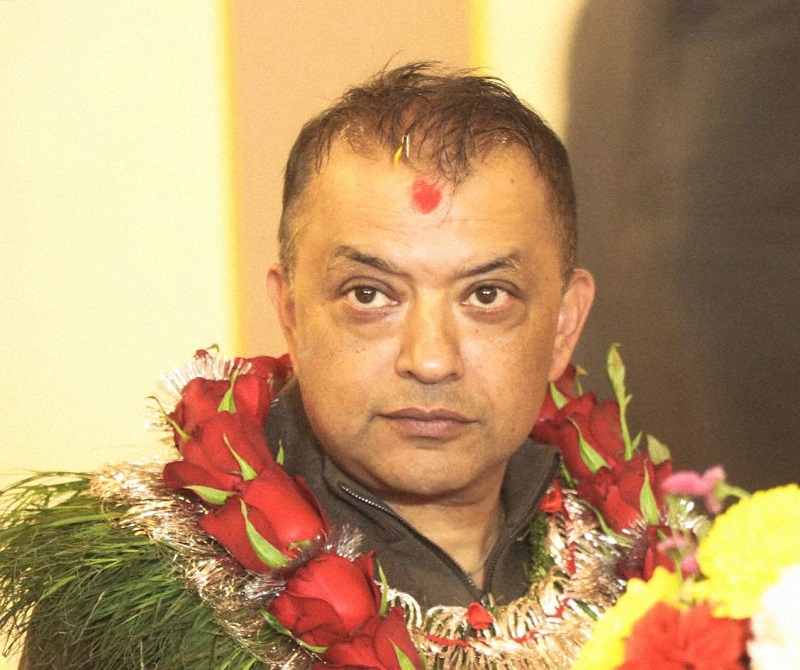
The political landscape in Nepal has reached a defining moment as Gagan Thapa, the President of the Nepali Congress and prime ministerial candidate for the 2026 general elections, unveiled his party’s comprehensive election manifesto known as the Pratigya Patra. On February 19, 2026 (Falgun 7, 2082), during a high-profile event in Janakpur and subsequently in Kathmandu, Thapa articulated a transformative vision for the national healthcare sector. At the heart of this proposal is the establishment of Universal Health Insurance Nepal, a system designed to treat medical care not as a form of charity but as a fundamental constitutional right. Thapa’s declaration that every Nepali citizen should carry an insurance card as a shield against financial ruin represents a significant shift toward a social insurance model that aims to eliminate the need for families to sell land or property to pay for life-saving treatments.
Universal Health Insurance
The concept of healthcare as a state responsibility is the cornerstone of Thapa’s 15 point health commitment. According to the latest statistics cited by the party president, out-of-pocket medical expenditure in Nepal currently stands at over 57 percent, a figure that is significantly higher than the 20 percent threshold recommended by the World Health Organization. This financial gap often traps low-income families in a cycle of debt and poverty. To address this, the proposed universal model suggests a tiered contribution system. In this framework, every citizen is mandatory enrolled; those with stable incomes and formal employment contribute premiums based on their earnings, while the state takes full responsibility for paying the premiums of senior citizens, persons with disabilities, and the extremely poor. This ensures that the risk is pooled nationally, providing a safety net that covers everyone regardless of their socio-economic status.
A key highlight of the announcement is the plan to elevate health insurance to a National Pride Program. In Nepal, the status of a National Pride Project is typically reserved for massive infrastructure works like the Upper Tamakoshi or the Pokhara International Airport. By categorizing health insurance in this manner, Thapa intends to ensure it receives top-tier budgetary priority, specialized administrative focus, and immunity from the bureaucratic red tape that has plagued the system since its inception in 2017. The manifesto outlines a five-year blueprint where the first year is dedicated to clearing the current 11 billion rupee backlog of unpaid claims to hospitals. Following this, the program will undergo a digital transformation to automate claim settlements and eliminate the systemic leakages that have caused many private and public hospitals to threaten a withdrawal from the insurance network.
The vision for free healthcare in Nepal is supported by an innovative financing model. To sustain the Universal Health Insurance Nepal fund, Thapa has proposed the implementation of a health tax on harmful products, including tobacco and alcohol. The revenue generated from these specialized taxes would be directly channeled into the health insurance fund, creating a dedicated stream of income that is independent of the general treasury. This approach not only provides the necessary capital for expanding the insurance package beyond the current 100,000 rupee limit but also serves as a public health tool to discourage the consumption of products that lead to non-communicable diseases. Thapa’s team has done extensive homework on how to integrate the currently scattered social security programs into a single, unified health insurance system to reduce administrative overhead and duplication of services.
Advertisement

The role of the private sector in this new healthcare era is also clearly defined. Thapa emphasized that for universal coverage to be effective, every health institution, including private clinics and specialty hospitals, must be able to provide services under the insurance umbrella. The goal is to create a seamless experience where a patient in a remote district like Sarlahi or a resident of Kathmandu can receive the same level of care using their insurance card. To achieve this, the government would set standardized service rates and ensure that payments to private partners are transparent and timely. This partnership is essential for reducing the burden on overstretched government hospitals and ensuring that specialized treatments like heart surgeries, kidney transplants, and oncology services are accessible to all citizens in their own provinces.
Beyond healthcare, the manifesto also addresses the critical intersection of health and agriculture. Thapa noted that rural health is intrinsically linked to the financial stability of farmers. He pledged that under his leadership, the perennial shortage of chemical fertilizers would end through the reform of procurement laws and increased investment in local agricultural infrastructure. By stabilizing the income of the agricultural workforce and providing them with mandatory health insurance, the party aims to create a holistic social protection system. This dual focus on the two most vital sectors for the common citizen reflects a policy roadmap centered on human dignity and the elimination of the fear of unforeseen disasters.
In conclusion, the proposal for Universal Health Insurance Nepal presented by Gagan Thapa is an ambitious attempt to institutionalize the constitutional guarantee of health as a fundamental right. By moving toward a mandatory, state-backed, and digitally-enabled insurance system, the plan seeks to restore public trust in government services. As the House of Representatives elections on March 5, 2026, draw near, this healthcare pledge serves as a key pillar of the Nepali Congress’s appeal to voters who are seeking a more secure and equitable future. If successful, this roadmap could redefine the social contract in Nepal, ensuring that no citizen is ever again deprived of medical treatment due to a lack of money.
For More: Universal Health Insurance