
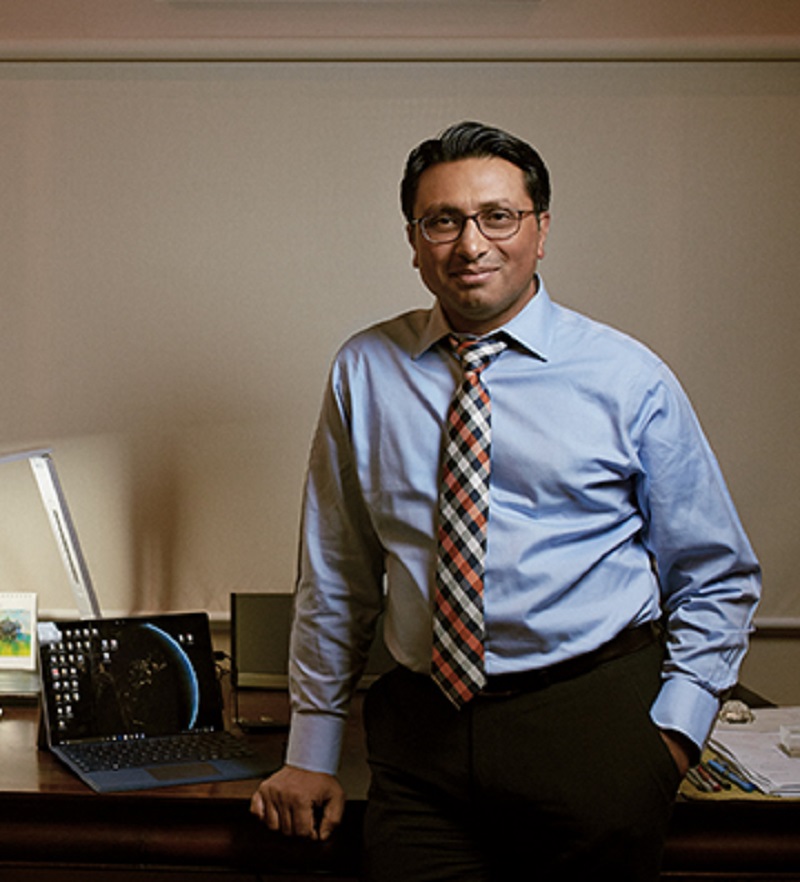
Nepal Economic Reform Swarnim Wagle: A Critical Analysis

27th March 2026, Kathmandu
The Nepal Economic Reform Swarnim Wagle discussion has become central to the country economic discourse following the appointment of Swarnim Wagle as Finance Minister.
Nepal Economic Reform Swarnim
With a strong academic and policy background Wagle steps into office at a time when the economy of Nepal is facing structural weaknesses external vulnerabilities and rising public expectations. This moment represents not just a leadership transition but a crucial test of the economic resilience and reform capacity of Nepal.

Political Shift and Economic Responsibility
The recent political mandate that brought Balen Shah into leadership has significantly reshaped the governance landscape of Nepal. Alongside this shift the responsibility of economic management now rests on Swarnim Wagle whose role will be pivotal in navigating the country through uncertainty. However the economic environment he inherits is far from stable requiring immediate and strategic interventions to restore investor confidence.
Global Economic Pressures
The Nepal Economic Reform Swarnim Wagle agenda must be understood within a challenging global context. The world economy is currently experiencing rising interest rates led by central banks like the Federal Reserve along with inflationary pressures in Europe and capital outflows from emerging economies. For a small import dependent economy like Nepal these external shocks create additional pressure on foreign exchange reserves and macroeconomic stability.
External Stability but Structural Weakness
Despite global challenges Nepal shows some resilience in its external sector. Foreign exchange reserves currently remain sufficient to cover over twenty months of imports and the balance of payments remains positive. However this stability is largely driven by remittances rather than domestic productivity. Millions of Nepali workers in Gulf countries and Malaysia sustain the economy highlighting a dependency that is not sustainable in the long term.
Weak Domestic Economic Indicators
Internally the economic picture is less encouraging. The Nepal Economic Reform Swarnim Wagle challenge includes addressing sluggish economic growth hovering around 3.5 percent to 4 percent. Other issues include weak private sector credit expansion low industrial output and an inefficient public expenditure model. These indicators point to deep structural issues that cannot be resolved through short term policy measures alone.
Ambitious Growth Targets
The ruling party has set an ambitious target of achieving 7 percent economic growth. While theoretically achievable this would require structural economic reforms an improved investment climate and higher productivity. Doubling the growth rate is a complex task that demands coordinated fiscal and monetary strategies as well as a significant reduction in bureaucratic hurdles.
Advertisement

Private Sector Confidence Crisis
A major concern highlighted in the Nepal Economic Reform Swarnim Wagle debate is the lack of investor confidence. Businesses are hesitant to invest due to legal and regulatory uncertainty and frequent policy changes. Entrepreneurs often question whether Nepal provides a safe and predictable investment environment. Without addressing these concerns private sector led growth will remain limited.
Tax Policy and Revenue Challenges
Reducing tax rates while expanding the tax base is another major policy challenge. Lower taxes may reduce government revenue potentially limiting development expenditure. The only viable solution lies in formalizing the informal economy controlling smuggling and broadening the tax base. However implementation remains a key hurdle for the Finance Ministry.
Need for Structural Reforms
The Nepal Economic Reform Swarnim Wagle strategy must prioritize structural reforms including improving the ease of doing business and introducing automated approval systems. Additionally loss making public enterprises continue to drain government resources. Reforming or shutting down inefficient institutions could significantly reduce fiscal pressure on the national budget.
Coordination with Monetary Policy
A critical aspect of economic management is coordination between the Finance Ministry and the Governor of Nepal Rastra Bank. Historically differences between fiscal and monetary authorities have led to policy inconsistencies. Effective collaboration between these institutions is essential to ensure stable interest rate policies and balanced economic growth.
Strategic Choices Ahead
Swarnim Wagle faces three strategic paths. He could opt for short term populist measures such as tax cuts or focus on long term structural reforms for sustainable growth. Alternatively he could take a balanced approach combining immediate relief with gradual reforms. While populist measures offer quick political gains only structural changes can ensure long term economic stability.
A Window of Opportunity
The Nepal Economic Reform Swarnim Wagle moment represents a rare opportunity. With political support and policy expertise aligned meaningful reforms are possible. However success will depend on political will rather than economic knowledge alone. As economic history shows markets respond to policies and citizens ultimately judge outcomes.
Conclusion
The Nepal Economic Reform Swarnim Wagle phase is a defining period for the economic future of Nepal. While challenges such as low growth and structural inefficiencies persist the solutions are well known. The real test lies in execution. If reforms are implemented effectively Nepal can transition toward sustainable growth. If not the current window of opportunity may close prolonging economic stagnation.
For More: Nepal Economic Reform Swarnim