Maintain NRB Autonomy: Former Governors Warn Against Government Interference in Monetary Policy

6th July 2026, Kathmandu
Former Governors of Nepal Rastra Bank (NRB), Maha Prasad Adhikari and Deependra Bahadur Chhetri, have urged the government to maintain the central bank’s autonomy while drafting the upcoming Monetary Policy.
Maintain NRB Autonomy Former Governors Warn
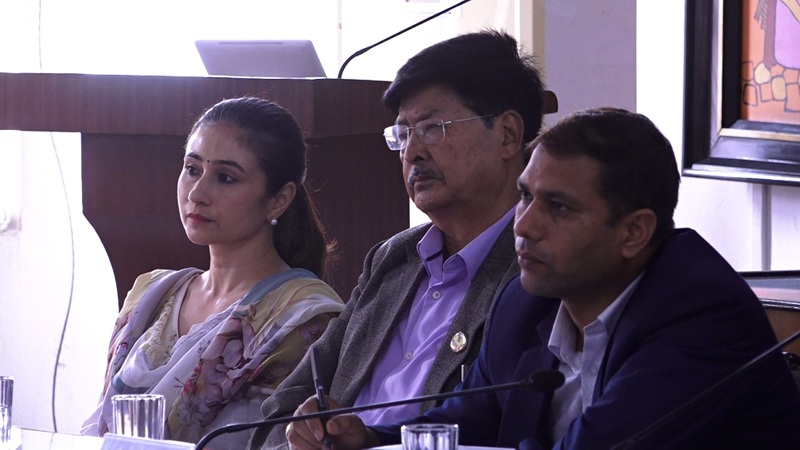
Speaking at the Parliamentary Finance Committee meeting on Sunday, both experts emphasized that a free and independent central bank ultimately benefits the Ministry of Finance and the broader economy.

“A Sovereign NRB Eases the Ministry’s Burden” – Maha Prasad Adhikari
Former Governor Maha Prasad Adhikari highlighted that the central bank should prepare the monetary policy independently, free from bureaucratic pressure. He noted that the Ministry of Finance should provide strategic guidelines rather than rigid, mandatory directives.
Adhikari warned against premature deregulation just because the current macroeconomic indicators look stable.
“We must not scrap necessary regulatory policies just because the system currently enjoys ample liquidity, low interest rates, and stable remittance inflows.” Maha Prasad Adhikari, Former Governor, NRB
Concerns Over Low Credit Demand
Despite high liquidity and significantly lowered interest rates, the lack of credit demand from the private sector remains a major concern. Adhikari pointed out that changing consumer habits, such as the rise of online shopping and structural shifts, have impacted traditional credit consumption. However, given the strong external sector indicators, he noted that the central bank is unlikely to tighten the bank rate, policy rate, or interest rate corridor.
Advertisement

Government Interference Bruising Central Bank Independence – Deependra Bahadur Chhetri
Echoing similar concerns, former Governor Deependra Bahadur Chhetri clarified the division of roles between the government and the central bank. While fiscal policy falls strictly under the government’s domain, fixing interest rates and managing exchange rates is the exclusive statutory right of NRB.
Chhetri raised several critical social and regulatory points during the discussion:
Social Impact of Debt: He highlighted alarming instances where women were forced into undignified professions due to microfinance or banking debt stress, urging the upcoming monetary policy to be socially sensitive.
Cooperative Regulation: He demanded that NRB’s role in regulating and stabilizing the troubled cooperative sector must be explicitly defined.
Remittance Dependency: He reminded the committee that Nepal’s robust foreign exchange reserves are heavily reliant on remittance rather than domestic production or exports, which poses a long-term risk.
Conclusion: The Need for an Independent, Predictable Policy
Monetary policy is a highly technical and predictable economic tool governed by internal and external economic realities. To revive market economic activities and ensure long-term financial stability, safeguarding the operational autonomy of Nepal Rastra Bank from political interference remains paramount.