Delay in Nepal’s Federal Civil Service Act Demoralizes Bureaucracy: Expert Insights

6th September 2026, Kathmandu
Nearly a decade after Nepal adopted a federal governance structure, its civil service remains trapped in uncertainty, low morale, and a severe career development crisis.
Delay in Nepal’s Federal Civil Service
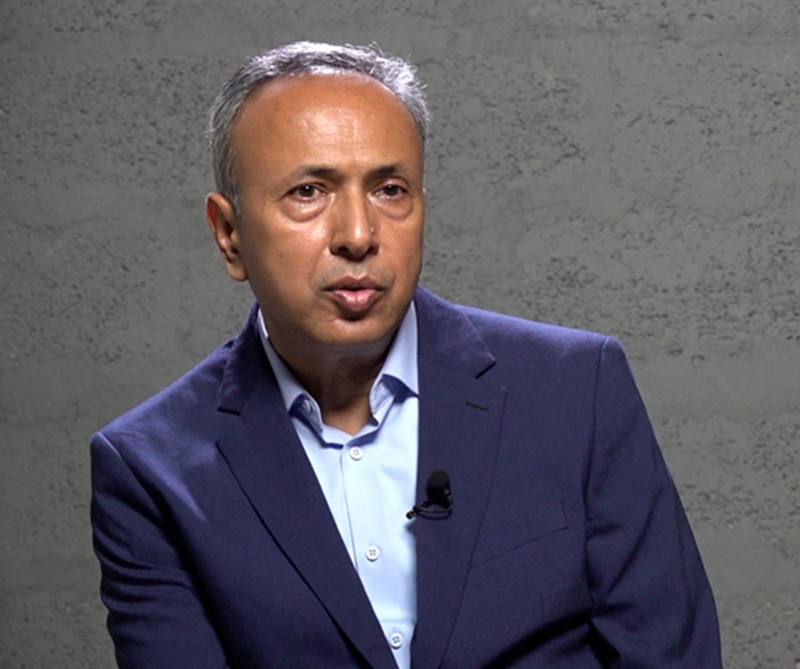
According to Kewal Prasad Bhandari, former Secretary to the Government of Nepal, the prolonged delay in passing the Federal Civil Service Act has severely compromised public service delivery.
Without legal clarity, effective capacity-building programs, and comprehensive social security, the three-tier administrative machinery continues to struggle.

Core Administrative Challenges Highlighted by Kewal Prasad Bhandari
Career Progression and Promotional Stagnation: Under current practices, moving up levels can take 7 to 14 years. Decreasing the number of ministries from 21 to 18—while functionally manageable—further squeezes senior leadership tiers (Secretaries, Joint Secretaries, and Under Secretaries).
Conflicting Retirement Debates: Speculations surrounding retirement age reductions from 60 to 55 years have created fear, causing experienced personnel to opt for voluntary retirement.
Absence of a High-Level Reorganization Commission: The failure to form an administrative commission post-federalism has left remote-level employees untrained, resulting in jurisdictional overlap across federal, provincial, and local levels.
Advertisement

Lack of Training and Skill Development: Opportunities for domestic and international higher education, fellowships, and mandatory training for assistant-level staff have significantly declined.
Key Reforms Proposed in the Pending Civil Service Bill
The drafted bill introduces several positive structural measures:
Clustering in Reservation Systems: Targeted inclusion to streamline public administration.
Leadership and Performance Evaluation: Monthly performance metrics for officer-level staff and above.
Establishment of a Civil Service Board: Independent oversight to maintain meritocracy and administrative standards.
Strategic Solutions for Sustainable Bureaucratic Transformation
| Focus Area | Proposed Action | ||
| Pensions & Housing | Leverage EPF (Employee Provident Fund) and CIT (Citizen Investment Trust) reserves to provide subsidized health, education, and housing solutions. | ||
| Transfers & Postings | Implement a transparent, data-driven transfer system to eliminate regional disparities between remote and urban postings. | ||
| Service Entry Age | Lower the entry age to recruit younger talent and provide continuous institutional training. | ||
| Human-Centric Care | Prioritize employee welfare, post-retirement security, and family healthcare to boost core motivation. |
The current government holds a critical, final opportunity to refine and pass the Federal Civil Service Act—shifting public administration from political neglect toward an agile, modern, and citizen-first civil service.
For more: Delay in Nepal’s Federal Civil Service