Real-Time Monitoring System Needed For Medicine Supply: Dr. Toshima Karki

19th September 2026, Kathmandu
Rastriya Swatantra Party MP Dr. Toshima Karki calls for a real-time monitoring system and demand-based supply chain to fix medicine shortages and expiration issues in Nepal.
Real-Time Monitoring System Needed
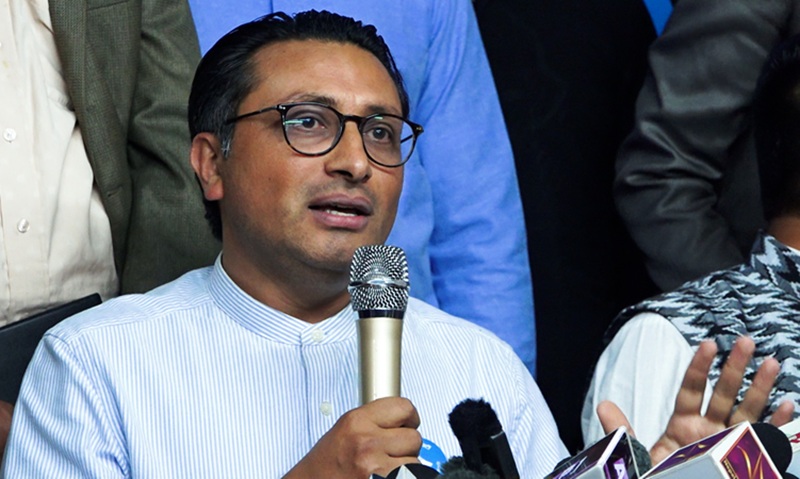
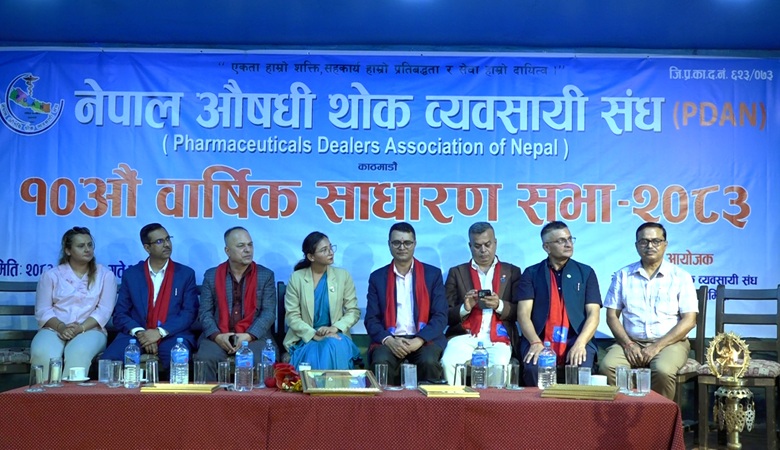
Member of Parliament and Rastriya Swatantra Party (RSP) leader Dr. Toshima Karki has emphasized the urgent need to establish an advanced, real-time monitoring framework to overhaul Nepal’s pharmaceutical supply chain. Speaking at the 10th Annual General Meeting of the Nepal Medicines Wholesalers Association, she highlighted critical gaps in current drug distribution, calling for systematic reforms from manufacturing plants to patients’ hands.

Bridging Gaps in the Pharmaceutical Supply Chain
Dr. Karki pointed out that ensuring public health security requires looking beyond basic distribution. She stressed that a medicine’s lifecycle involves intricate layers of production, storage, and marketing—including specialized requirements like cold chain maintenance.
“Now, how do we deliver [medicines] from the manufacturer to the producer, the consumer, and ultimately the patient? This involves production, storage, and marketing. When it comes to marketing, issues of the supply chain and cold chain maintenance arise.” — Dr. Toshima Karki
Key Pillars Highlighted for Supply Chain Reform
Regular Re-assessments: A single quality check at the point of manufacture is insufficient. Continuous, repeated quality evaluations are necessary to guarantee safety by the time drugs reach consumers.
Enhanced Wholesaler Accountability: Wholesalers must act as active information bridges between the market and manufacturers, tracking high-demand items, regional shortages, and inventory levels.
Advertisement

Tackling Market Paradoxes: Dr. Karki drew attention to a major inefficiency in the health sector: hospitals and pharmacies often hold excess stock nearing expiration, while patients elsewhere struggle to find essential life-saving drugs.
The Solution: Real-Time Monitoring and ‘Demand-Based Supply’
To resolve systemic distribution bottlenecks, Dr. Karki strongly advocated for two major technological and operational shifts:
Real-Time Monitoring Systems: Implementing digital tracking to monitor inventory, movement, and stock transparency across the country in real-time.
Demand-Based Supply Models: Moving away from blanket distribution models that force retailers to overstock. By aligning procurement directly with actual consumer demand, the market can curb unnecessary waste and significantly mitigate the risk of expired medications.
As discussions around modernizing Nepal’s healthcare framework continue, Dr. Karki’s recommendations outline a clear roadmap for leveraging technology to make essential medicines more accessible, safe, and affordable for the general public.
For more: Real-Time Monitoring System Needed