
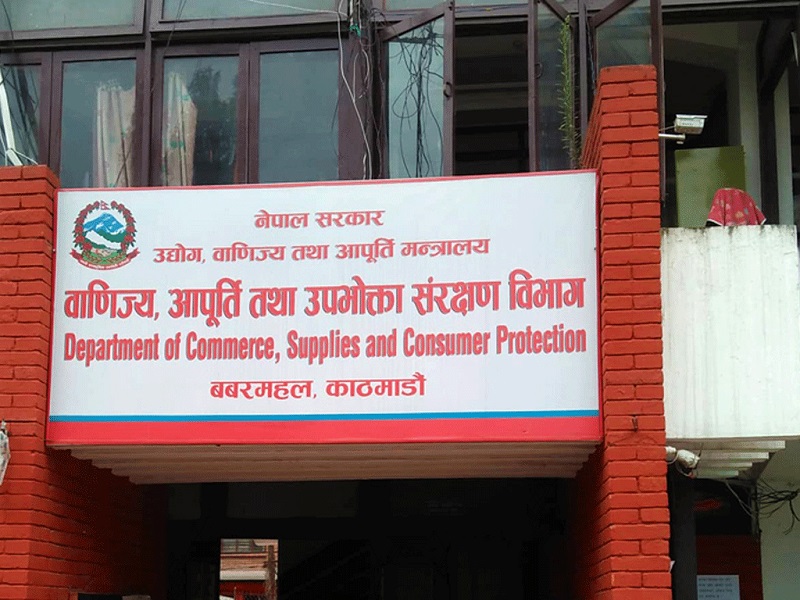
Kathmandu Market Monitoring Update: Department Inspects 53 Firms in a Single Day

17th April 2026, Kathmandu
The Department of Commerce Supplies and Consumer Protection has significantly ramped up its regulatory presence in the capital.
Kathmandu Market Monitoring Update
In a recent large scale operation, the department conducted an intensive Kathmandu market monitoring drive, inspecting 53 commercial firms in just one day. This aggressive surveillance is part of a broader national effort to enforce market discipline, protect consumer interests, and ensure that businesses in high traffic commercial zones are operating within the legal framework of Nepal.

Focus on the Khichapokhari Commercial Hub
The inspection took place on April 17 2026, which corresponds to Baisakh 4 2083. The monitoring team concentrated its efforts on the Khichapokhari area of Kathmandu. As one of the most densely packed trading centers in the city, Khichapokhari is a critical node for retail and wholesale activities, making it a primary target for ensuring fair trade practices.
During the drive, the department scrutinized a wide range of businesses, focusing on several key areas of compliance:
Billing and Invoicing: Ensuring that every transaction is backed by a legitimate bill or invoice.
Consumer Information: Verifying that products are labeled correctly and that consumers are provided with transparent information regarding pricing and quality.
Legal Compliance: Checking for adherence to the Consumer Protection Act 2018.
Strengthening the Consumer Protection Act 2018
The core objective of the Kathmandu market monitoring campaign is to breathe life into the Consumer Protection Act 2018. This legislation was designed to safeguard the public against fraud, artificial price hikes, and the sale of substandard goods. However, the effectiveness of such laws depends entirely on consistent enforcement.
By inspecting 53 firms in a single day, the department is sending a clear message to the business community: non compliance will no longer go unnoticed. This high volume inspection strategy is intended to create a deterrent effect, encouraging traders to self regulate and maintain proper documentation without the need for constant oversight.
Corrective Instructions and Business Guidance
Rather than focusing solely on punitive measures and fines, the department utilized this inspection drive as an opportunity for guidance. Following the review of the 53 firms, the monitoring team issued specific corrective instructions to the business owners. These directives focused on fixing identified shortcomings in their billing systems and consumer disclosure practices.
Advertisement

This approach suggests a regulatory philosophy aimed at long term improvement rather than short term revenue collection through penalties. However, the department warned that these instructions serve as a formal record. Firms that fail to implement the suggested changes or are found committing repeated violations in future Kathmandu market monitoring rounds will face much stricter legal consequences.
A Collaborative Approach to Market Governance
Transparency is a major priority for the Department of Commerce. To ensure that the inspections are fair and credible, the department coordinates closely with multiple stakeholders. The teams often include local elected representatives and consumer rights activists. This collaboration ensures that the monitoring process is not just a bureaucratic exercise but a community led effort to improve the marketplace.
By involving consumer rights groups, the department gains a better understanding of the ground level issues that shoppers face daily, such as overcharging or the lack of clear price tags. This feedback loop is essential for designing effective monitoring strategies in the future.
The Impact on Fair Trade and Market Discipline
The recent surge in Kathmandu market monitoring activities is already beginning to reshape the city’s commercial landscape. Increased surveillance typically leads to several positive outcomes for the economy:
Reduced Fraud: Better billing practices make it harder for businesses to evade taxes or overcharge customers.
Improved Quality: Frequent checks ensure that expired or low quality goods are removed from the shelves.
Price Stability: Monitoring helps prevent artificial shortages and the price gouging that often accompanies them.
As the department continues to target various commercial hubs beyond Khichapokhari, traders across Kathmandu are advised to keep their records updated and their practices ethical.
Conclusion: Towards a Consumer Friendly Marketplace
The inspection of 53 firms in a single day is a testament to the dedication of the Department of Commerce Supplies and Consumer Protection. It represents a proactive stance against market irregularities and a commitment to the rights of every shopper in Kathmandu. As this monitoring campaign continues, both consumers and businesses should view it as a necessary step toward a more transparent, accountable, and healthy trading environment. For consumers, these drives provide the assurance that the government is watching. For businesses, they serve as a reminder that excellence in compliance is the only way to build a sustainable and reputable brand in the modern Nepali market.
For More: Kathmandu Market Monitoring Update


