NEA Signs MoU AEPC to Boost Nepal’s Clean Energy Future via Solar & Hydro

11th July 2026, Kathmandu
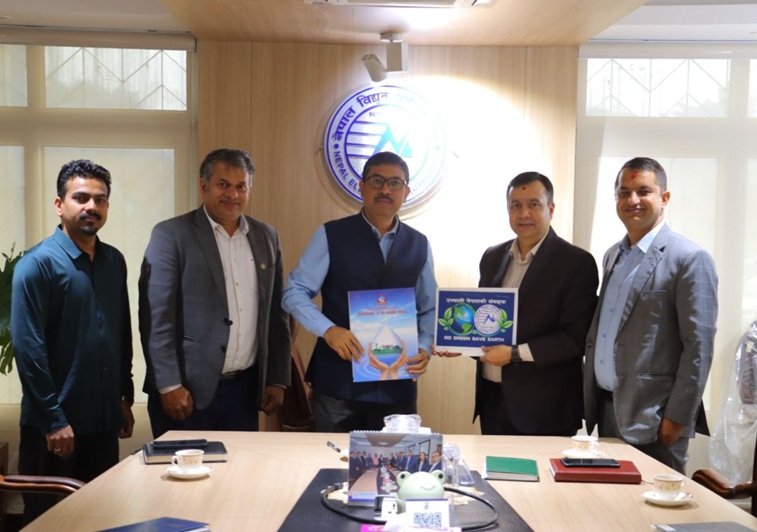
In a major leap forward for Nepal’s clean energy roadmap, the Nepal Electricity Authority (NEA) and the Alternative Energy Promotion Centre (AEPC) have officially signed a Memorandum of Understanding (MoU).
NEA Signs MoU AEPC
This strategic partnership aims to accelerate rural electrification, enhance energy security, and integrate decentralized renewable energy systems directly into the national grid.
The landmark agreement was signed by Mr. Dirghayu Kumar Shrestha, Acting Executive Director of the NEA, and Mr. Nawa Raj Dhakal, Executive Director of the AEPC. By combining the infrastructure of the central utility with AEPC’s expertise in renewable technologies, the collaboration marks a vital step toward creating a reliable, inclusive, and sustainable energy future for Nepal.

Key Initiatives of the NEA-AEPC Partnership
The MoU outlines a comprehensive framework to maximize the value of existing renewable assets and reach underserved communities through advanced grid integration and last-mile electrification.
1. Solar Mini-Grid Integration via Net Metering
A major highlight of the agreement is the connection of 9 solar mini-grid projects to the national grid, boasting a combined capacity of 665 kWp. This will be achieved using a Net Metering mechanism, allowing localized solar setups to feed surplus power back into the national system, reducing waste and boosting local grid resilience.
2. Bringing Remote Hydropower to the National Grid
The partnership places a strong emphasis on bringing small-scale hydro projects online:
The Juddi Khola Project: The 200 kW Juddi Khola Small Hydropower Project, located in Swamikartik Rural Municipality, Bajura, will be integrated into the national grid. This project includes the construction of a dedicated 11 kV distribution line to secure a connection.
Advertisement

Jumla Technical Studies: The agreement mandates technical feasibility studies to connect five micro and small hydropower projects in Jumla directly to the national transmission network.
3. National Grid Policy & Solar Irrigation
AEPC and NEA will finalize a comprehensive national study on the grid integration of micro and small hydropower projects. The two bodies will coordinate with key stakeholders to implement standardized policies across the country. Additionally, they will streamline the grid connection of community solar irrigation demonstration projects supported by AEPC, boosting the agricultural sector through clean energy.
4. Expanding Electric Cooking (E-Cooking)
To support Nepal’s shift away from imported fossil fuels and traditional biomass, the collaboration will conduct thorough assessments of local distribution systems. By evaluating grid readiness in selected municipalities, the teams will identify necessary network and transformer upgrades required to handle the high load of widespread electric cooking adoption.
5. Last-Mile Electrification
For the most remote and underserved pockets of Nepal, the NEA and AEPC will jointly execute last-mile electrification strategies. By deploying a hybrid mix of isolated micro/small hydropower and solar mini-grids, the initiative aims to ensure no household is left in the dark.
Why Grid Integration Matters for Nepal
Historically, many of Nepal’s rural micro-hydro and solar projects operated as isolated “islands.” When the central grid eventually arrived, these valuable local assets often fell into disuse. By actively standardizing grid integration and net metering, Nepal can protect rural energy investments, stabilize local voltage, and build a highly decentralized, climate-resilient power sector.
Moving Toward a Sustainable Energy Future
This collaboration represents a structural shift in how Nepal manages its energy portfolio. By transforming localized renewable energy plants into contributors to the national grid, Nepal is optimizing its energy mix, reducing transmission losses in remote regions, and empowering local communities.
With both organizations aligned, this initiative directly supports Nepal’s broader national goals of achieving 100% electricity access and significantly reducing the country’s carbon footprint through clean, green, and indigenous energy solutions.
For more: NEA Signs MoU AEPC