
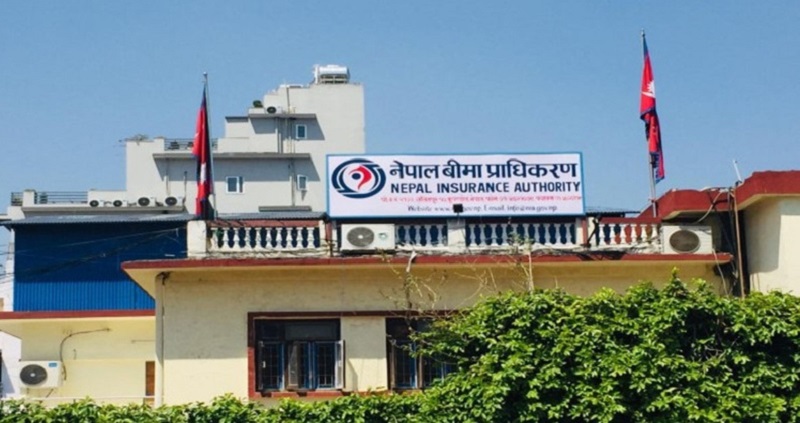
Nepal Insurance Authority Issues Notice on Professional Indemnity and Professional Liability Insurance

7th May 2026, Kathmandu
In a significant move to modernize the risk management landscape, the Nepal Insurance Authority (NIA) has issued a fresh regulatory notice concerning Professional Indemnity and Professional Liability Insurance.
Professional Indemnity Insurance Nepal
Addressed to all licensed non-life insurance companies in Nepal, the directive provides much-needed clarity on how these specialized products should be priced and managed. By allowing insurers more flexibility in determining premium rates, the Authority aims to foster a more competitive and responsive insurance market for professionals across the country.

Key Highlights of the Regulatory Notice
The latest circular from the Nepal Insurance Authority marks a shift toward a more liberalized pricing structure under the non-tariff insurance business guidelines. According to the directive, insurance companies are now permitted to independently determine their premium rates for both Professional Indemnity and Professional Liability Insurance.
However, this flexibility comes with a strict condition: reinsurance arrangements. The NIA has made it mandatory for insurance companies to have adequate reinsurance agreements in place before they set their own premium structures. This ensures that even if an insurer takes on high-value professional risks, they have the financial backing of global or local reinsurers to handle potential claims. The directive specifically references the “Guidelines Related to Non-Tariff and Compensation Insurance Business, 2076,” reinforcing the existing regulatory framework.
Understanding Professional Indemnity Insurance in Nepal
Professional Indemnity Insurance is an essential safety net for individuals and businesses that provide expert advice or professional services. In the event that a client suffers a financial loss due to a professional’s mistake, this insurance covers the legal costs and any compensation payments.
In Nepal, this type of coverage is increasingly sought after by various sectors, including:
Medical Professionals: Doctors and surgeons protecting against malpractice claims.
Legal & Financial Experts: Lawyers, accountants, and financial advisors.
Advertisement

Technical Consultants: Engineers, architects, and IT professionals.
Consultancy Firms: Businesses providing specialized expertise to third parties.
Professional Liability vs. Professional Indemnity
While often used interchangeably, the NIA notice clarifies that both Professional Indemnity and Professional Liability Insurance are covered under these new premium provisions. Professional Liability Insurance is a broader category that protects against claims resulting from professional negligence or failures in service that cause harm to clients or third parties. It typically covers legal defense costs, settlement expenses, and compensation claims, ensuring that a single lawsuit doesn’t lead to the financial ruin of a professional practice.
The Critical Role of Reinsurance
The Nepal Insurance Authority’s emphasis on reinsurance is a strategic move to safeguard the stability of the domestic insurance sector. By requiring insurers to ensure sufficient reinsurance coverage before offering self-determined rates, the NIA is protecting both the insurer and the policyholder.
Reinsurance acts as “insurance for insurance companies.” It allows local non-life insurers to manage large-scale risks, maintain their solvency margins, and reduce their total claim exposure. This move ensures that even if a major professional liability claim arises, the insurance company has the financial strength to fulfill its obligations without jeopardizing its overall stability.
Impact on Nepal’s Professional Sectors
The clarification provided by the Authority is expected to have a ripple effect across the professional landscape in Nepal. By allowing insurers to price products based on specific risk profiles rather than rigid tariffs, professionals can expect more customized insurance solutions.
Engineers working on large infrastructure projects or doctors in specialized fields can now access coverage that more accurately reflects their specific risks. This flexibility is likely to encourage growth in specialized liability products, which have historically been underserved in the Nepali market. Furthermore, it pushes insurance companies to improve their internal risk management practices and actuarial capabilities.
Conclusion
The recent notice from the Nepal Insurance Authority provides a clear roadmap for the future of Professional Indemnity and Liability Insurance in Nepal. By balancing market flexibility with strict reinsurance requirements, the NIA is promoting a more mature and resilient insurance industry. Professionals across Nepal can now look forward to more tailored insurance options, while insurers gain the autonomy to innovate within a secure regulatory environment. As the economy grows and professional services become more complex, these updated guidelines will play a vital role in protecting the expertise that drives Nepal forward.
For More: Professional Indemnity Insurance Nepal


