
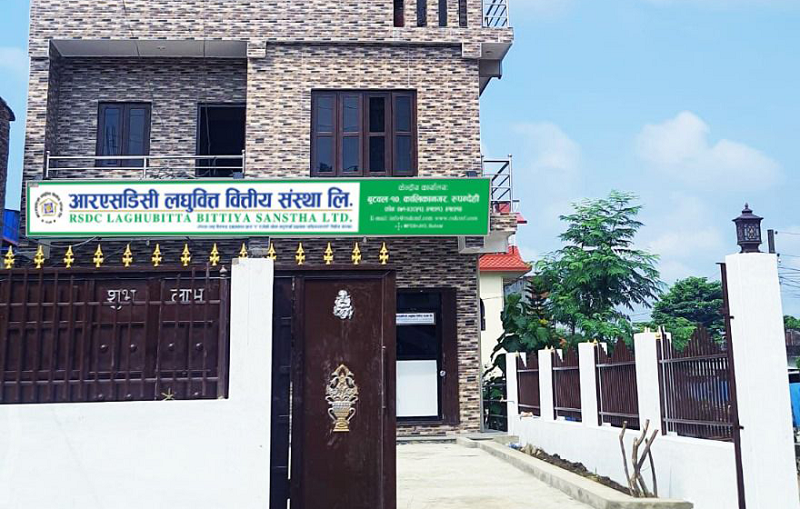
RSDC Laghubitta’s Net Profit Drops by 6.08% in Third Quarter of FY 2082/83

17th April 2026, Kathmandu
The microfinance landscape in Nepal is currently facing a period of adjustment, and the latest RSDC Laghubitta profit report for the third quarter of the fiscal year 2082/83 provides a clear picture of these challenges.
RSDC Laghubitta’s Net Profit
RSDC Laghubitta Bittiya Sanstha Limited, a prominent wholesale microfinance institution, has recently made its financial data public, revealing a slight contraction in its bottom line. While the company remains profitable, the report highlights several shifts in income and asset quality that investors and financial analysts are monitoring closely.

Decoding the Net Profit Decline
According to the published financial statement, the company saw its net profit decrease by 6.08 percent compared to the same period in the previous fiscal year. By the end of Chaitra, the RSDC Laghubitta profit stood at approximately NPR 6.56 crore. In the corresponding period of the previous year, this figure was NPR 6.98 crore. While a 6 percent dip might seem manageable, it signals a broader pressure on the institution’s ability to generate surplus in a shifting economic environment.
Factors Behind the Falling Interest Income
A primary driver behind the reduced profitability is the decline in net interest income. This is the core revenue stream for any financial institution, representing the difference between interest earned from loans and interest paid on deposits or borrowings. The RSDC Laghubitta profit report indicates that net interest income fell by 13.65 percent, dropping from NPR 17.09 crore to NPR 14.76 crore.
This reduction suggests that the company is facing tighter margins. As a wholesale microfinance provider, RSDC lends to other microfinance institutions and cooperatives. If the demand for wholesale credit slows down or if the cost of funds rises, the interest spread narrows, directly impacting the final profit figures.
Operating Performance and Efficiency
The downward trend extended into the company’s operating results as well. The operating profit saw a decrease of 6.69 percent, falling from NPR 10.14 crore to NPR 9.46 crore. This metric is crucial as it reflects the efficiency of the company’s management before accounting for taxes and other non-operating items. The decline suggests that despite efforts to maintain stability, the rising costs of operation and the dip in total income have created a more difficult environment for capital growth.
Asset Quality and Rising Non-Performing Loans
One of the most important metrics in the RSDC Laghubitta profit report is the Non-Performing Loan or NPL ratio. This figure measures the health of the loan portfolio by identifying the percentage of loans that are not being repaid on time. The NPL ratio for RSDC rose from 3.13 percent to 3.46 percent during the review period.
Advertisement

While a sub 4 percent NPL is often considered manageable for many microfinance institutions, any upward movement is a signal of increased credit risk. Deterioration in asset quality means the company must set aside more funds for potential losses, which further eats into the net profit. Improving credit monitoring and ensuring robust recovery mechanisms will be key for the company in the upcoming final quarter.
Impact on Shareholders: EPS and Net Worth
The financial shift has had a direct impact on shareholder metrics. The Earnings Per Share or EPS declined from NPR 9.01 to NPR 8.46. For investors, the EPS is a primary indicator of how much profit is allocated to each outstanding share of common stock. A lower EPS generally makes a stock less attractive in the short term, though long term value depends on the underlying strength of the company.
On a positive note, the net worth per share remained relatively stable at NPR 124.07. This suggests that while annual profits are slightly lower, the overall capital base and internal strength of the company are still intact. With a paid up capital of NPR 1.03 billion and accumulated reserves of NPR 19.21 crore, RSDC Laghubitta maintains a solid financial buffer against operational risks.
Loan Portfolio and Future Outlook
Despite the hurdles mentioned in the RSDC Laghubitta profit report, the company continues to maintain a substantial lending presence. It has extended loans worth approximately NPR 4.82 billion to its customers and partner organizations. This vast portfolio remains the engine for future revenue generation.
For the company to stabilize its performance in the coming quarters, analysts suggest a focus on three main areas:
- Credit Quality: Reducing the NPL ratio back toward the 3 percent mark.
- Cost Optimization: Managing operational expenses to protect operating margins.
- Diverse Lending: Exploring more lucrative or lower risk lending segments within the microfinance sector.
Conclusion
The third quarter RSDC Laghubitta profit report serves as a reminder of the volatility currently present in the Nepalese microfinance sector. While a 6.08 percent drop in net profit is a point for concern, the institution’s stable net worth and strong capital base provide a foundation for recovery. Shareholders should keep a close eye on the distributable profit, which currently stands at NPR 5.67 crore, as this will ultimately dictate the dividend potential for the year. As the fiscal year moves toward its conclusion, the focus for RSDC will undoubtedly be on turning these challenges into opportunities for more efficient growth.
For More: RSDC Laghubitta’s Net Profit


