
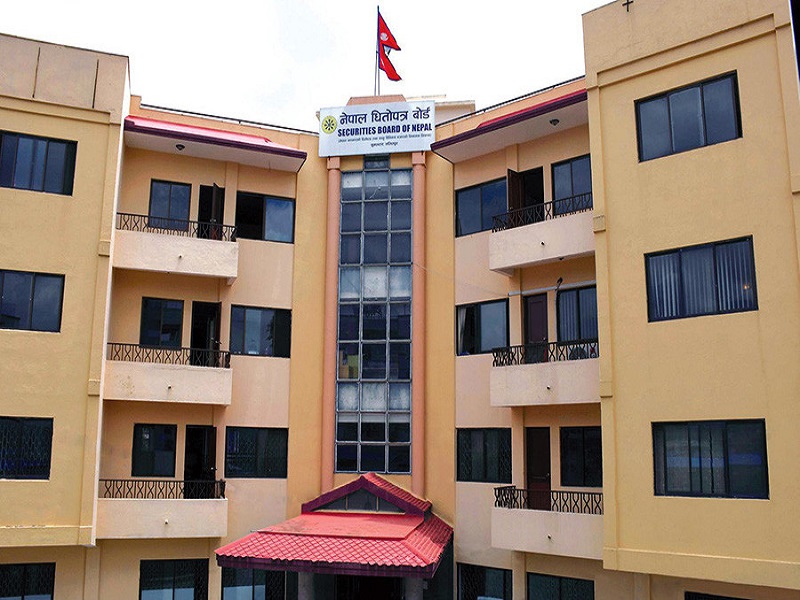
Securities Board of Nepal Grants Initial Public Offering Permissions To 24 Corporations

18th May 2026, Kathmandu
The Securities Board of Nepal has officially granted public capital collection permissions to 24 diverse business corporations during the current fiscal year up to the end of Chaitra. This extensive regulatory clearance represents a massive milestone for the national capital market, as multiple private and public ventures prepare to transition into publicly traded setups.
SEBON IPO Approvals
According to the regulatory data published by the corporate tracking wing of the board, the state body has authorized the floating and final sale of a massive total of 91.18 million ordinary shares, injecting considerable liquidity and brand new choice profiles into the primary investment landscape of the country.

Total Fiscal Valuation of Approved Capital Injections Reaches Nine Billion Rupees
The absolute monetary scale of these combined approvals represents a significant milestone for corporate financing in Nepal. The combined face valuation of the authorized initial public offerings stands at approximately NPR 9.11 billion, creating an extensive pipeline of primary equity products for retail savers, institutional buyers, and non resident workers alike. These funds are slated to be directed toward capital expenditures, debt reduction setups, project construction fees, and structural expansion plans, helping local industries minimize their reliance on expensive banking credit lines during their critical growth phases.
Hydropower Projects Leading the Initial Public Offering Asset Allocations
A detailed analysis of the newly approved corporate roster reveals that the domestic energy sector continues to be the dominant force driving the national primary market landscape. Out of the 24 corporate entities that managed to successfully secure regulatory clearance from the board, 15 belong strictly to the hydropower and renewable energy production category. This heavy concentration emphasizes the ongoing rush among national infrastructure developers to tap into public capital to fund river basin projects, transmission lines, and water resource management programs across various mountain provinces.
Renewable Energy Growth and Active Nepal Stock Exchange Infrastructure
The massive influx of clean energy offerings matches the existing structural layout of the secondary trading market. Currently, a total of 103 independent hydropower corporations are listed, registered, and actively traded on the trading floor of the Nepal Stock Exchange. The historical statistics compiled by the regulatory board clearly show that the renewable energy block is consistently outperforming other commercial sectors, leading both the successfully processed application columns and the long waiting lists that are currently stuck in various technical evaluation phases inside the state departments.
Advertisement

Manufacturing and Tourism Venture Blocks Secure Public Inflow Clearances
While clean energy assets remain the primary driver of market volume, other critical sectors of the national economy are gradually increasing their presence in the primary equity arena. According to the board report, 7 companies belonging to the manufacturing and processing industry have successfully cleared their prospectus evaluations. The remaining slots on the approval registry were filled by a single regional development bank and one high end venture representing the hotel and tourism hospitality sector. This multi sector expansion provides retail investors with great opportunities to diversify their capital outside of typical financial services.
Massive Waitlist Compiles as Ninety Eight Companies Queue for Board Authorization
Despite the high volume of clearances finalized up to the end of Chaitra, the pipeline for fresh equity products remains incredibly deep, pointing to an unprecedented corporate desire to raise public funds. The Securities Board of Nepal revealed that a massive total of 98 companies are currently registered on the official waiting list, anxiously awaiting final administrative approval to execute their respective public issuances. This crowded waiting queue highlights a massive shift in how local companies view corporate financing, with more private companies choosing stock market capitalization over traditional banking loans.
Comprehensive Structural Breakdown of the Awaiting Pipeline Registry
The sectoral distribution of the pending applications shows that interest in public offerings is spreading rapidly across multiple traditional and non traditional corporate sectors. The active waitlist registry includes:
- 32 hydropower and clean energy development infrastructure operations
- 26 manufacturing, industrial processing, and commercial production firms
- 18 high end hotel chains, resort ventures, and tourism service providers
- 5 dedicated national investment firms and capital asset managers
- 3 specialized microinsurance providers looking to build regulatory capital
- 14 miscellaneous corporations representing technology, retail, and general trade
This extensive backlog demonstrates that almost every major sector of the national economy is actively working to integrate itself into the formal stock market framework.
Expanding Investor Participation Driving Capital Market Success
The unprecedented surge in both finalized permissions and pending applications reflects the rapidly growing interest among Nepalese enterprises in leveraging the primary market to build flexible financial structures. This corporate trend is perfectly mirrored by the massive growth in retail investor participation, with millions of citizens now utilizing digital banking networks, central depository links, and the Mero Share mobile application to subscribe to primary offerings from their homes. As the regulatory body systematically clears the remaining 98 files in its backlog, the national capital market is poised to experience an extended period of high transaction volume and structural diversification.
For More: SEBON IPO Approvals