Tourists Seek Authentic Festival Experiences in Nepal: HAN President

17th October 2026, Kathmandu
For decades, international travelers flocked to Kathmandu primarily to admire its ancient architecture—taking photos at Hanuman Dhoka, Patan Durbar Square, and Bhaktapur Durbar Square before heading off to the Himalayas.
Today, that narrative is rapidly shifting. Modern travelers no longer want to just see Nepal; they want to live it.
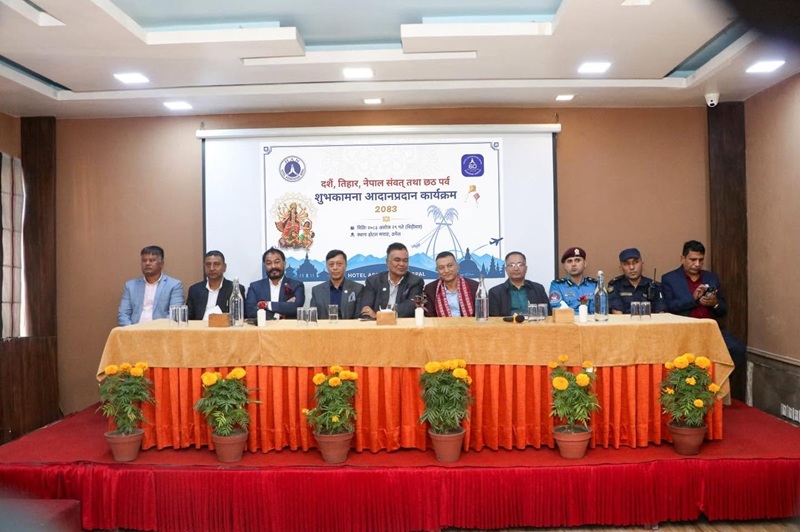
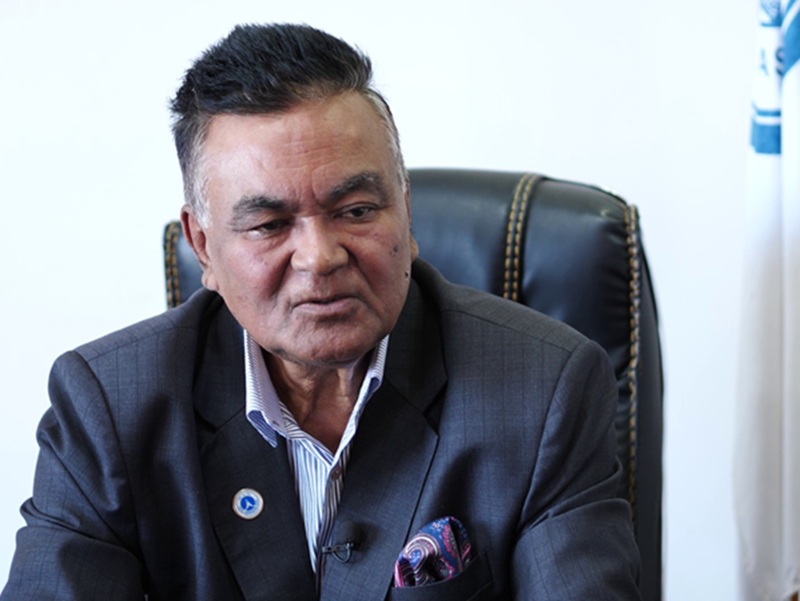
According to Binayak Shah, President of the Hotel Association Nepal (HAN), a major transformation in travel behavior has emerged in the post-pandemic era. Global tourists are increasingly prioritizing experiential tourism, actively participating in local festivals, street carnivals (jatras), and authentic lifestyle traditions over routine sightseeing.
Key Takeaways: The Rise of Experiential Tourism in Nepal
Behavioral Shift: Post-COVID visitors seek immersive cultural immersion rather than passive heritage tours.
Festival Integration: High interest in events like Indra Jatra, receiving Dashain Tika, playing traditional bamboo swings (Ping), and joining Deusi-Bhailo during Tihar.
Authentic Cuisine: Hotels are adapting menus to feature traditional indigenous dishes, such as festive Mutton Platters and Pakuwa.
Post-Monsoon Peak: The end of the monsoon season opens up ideal weather for trekking and cultural festivities across Nepal.

From Sightseeing to Experiential Tourism
Reflecting on the evolution of Nepal’s tourism landscape, HAN President Binayak Shah noted:
“Before COVID-19, most tourists visiting Kathmandu would return after viewing Hanuman Dhoka, Patan Durbar, and Bhaktapur Durbar. Now, there is a distinct surge in visitors who want to participate in festivals like Indra Jatra, understand the heritage behind them, and physically join in the celebrations. We call this experiential tourism.”
Shah believes that tourism entrepreneurs must embrace this changing preference as a golden opportunity. By integrating Nepal’s rich living traditions directly into travel packages, the industry can deliver unforgettable memories while extending the length of tourist stays.
How Travel Packages Are Adapting for Dashain and Tihar
The festive period of Dashain and Tihar presents an ideal showcase for experiential tourism. Tourism operators and hoteliers are encouraged to craft curated holiday packages that offer hands-on experiences:
Advertisement

Cultural Rituals: Explaining the cultural significance of Tika during Dashain and inviting guests to participate in Tihar’s energetic Deusi-Bhailo caroling.
Traditional Activities: Introducing tourists to village swing customs (Ping) and interactive local cooking demonstrations.
Culinary Journeys: Highlighting local heritage recipes on hotel menus.
For instance, Airport Hotel in Kathmandu (operated by Shah) introduced a special ‘Mutton Platter’ featuring traditional delicacies like Pakuwa, allowing foreign guests to savor authentic holiday flavors.
Collaborative Efforts to Elevate Cultural Tourism
Connecting local celebrations with commercial tourism not only revitalizes the hospitality sector but also safeguards indigenous heritage. Shah emphasized that unlocking the full potential of festival tourism requires close collaboration between:
-
Hotel and travel entrepreneurs
-
Tourism boards and industry bodies
-
Local municipal governments
Post-Monsoon Season: Perfect Time for Travel & Trekking
With the monsoon season winding down, clear skies and pleasant weather make the post-Dashain and Tihar timeframe the peak season for both cultural exploration and mountain trekking.
Despite temporary disruptions caused by monsoon flooding in regions like Bhotekoshi, tourist arrivals are steadily climbing as conditions normalize, signaling a promising season ahead for Nepal’s travel economy.
Conclusion: Expanding the Horizon of Nepal Tourism
Nepal’s ultimate strength lies beyond its majestic peaks and historic brick monuments; it rests in its vibrant, living culture. By inviting international visitors to step into local festivities, taste traditional dishes, and dance in village squares, Nepal is redefining itself as a world-class destination for experiential travel.