Fiscal Year 2083/84 Budget: Stakeholders Demand Aggressive Tax Hike on Tobacco, Alcohol, and Sugary Drinks

26th May 2026, Kathmandu
As the Ministry of Finance finalizes the framework for the upcoming fiscal year 2083/84 budget, public health advocates, economic experts, and lawmakers are making a unified push for sweeping tax reforms.
Stakeholders Demand Aggressive Tax Hike
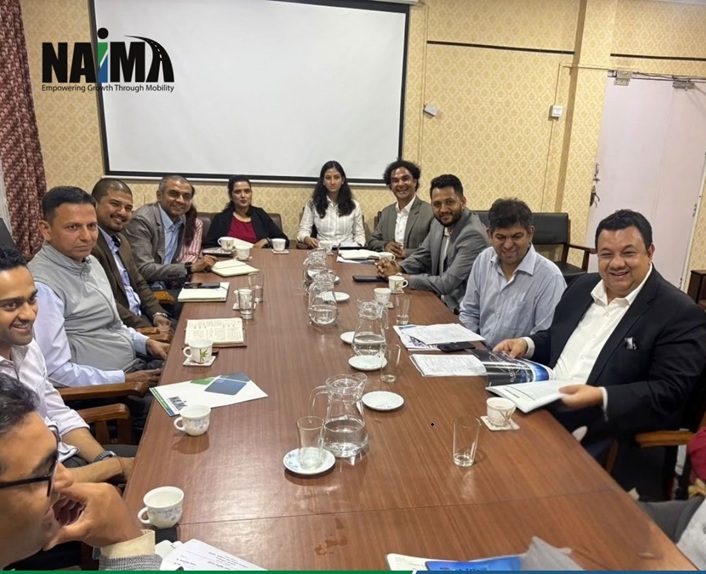
At a high-level policy dialogue organized by the Nepal Development Research Institute (NDRI) in Lalitpur, stakeholders warned that keeping harmful products artificially cheap is fueling an expensive public health crisis and draining state productivity.
The forum concluded with a blunt consensus: Nepal’s current “sin tax” structure is failing both as an economic tool and as a health intervention.

The Public Health Cost of Low Taxation
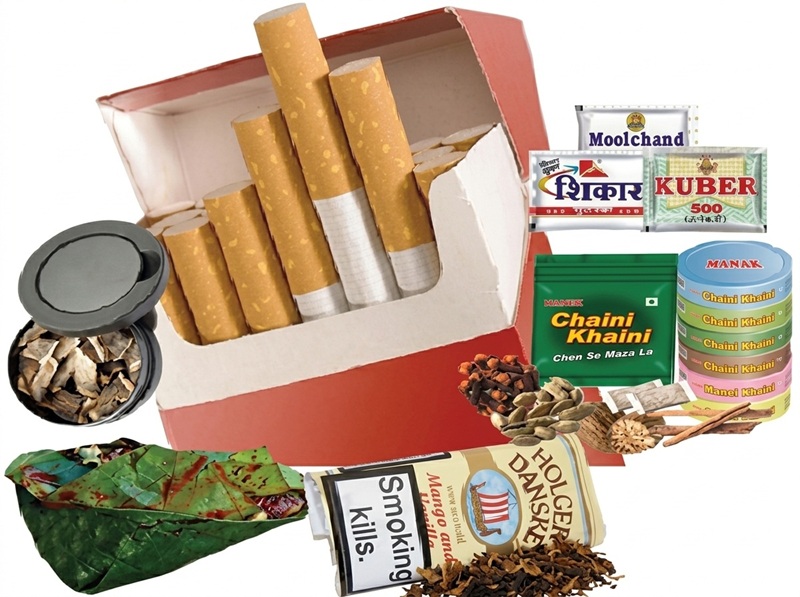
According to data presented at the NDRI forum, tobacco use alone claims the lives of 39,200 Nepalese citizens annually equivalent to 107 deaths every single day. Beyond the irreplaceable loss of human life, smoking and tobacco-related chronic illnesses inflict an estimated economic toll of around Rs 48 billion annually on the nation through medical costs and lost economic productivity.
Prof. Dr. Shivaraj Adhikari, former Chair of the National Planning Commission (NPC), emphasized that the government must radically shift its perspective on health-hazard excise duties.
“Taxes on tobacco products should not be viewed merely as a routine source of government revenue,” Dr. Adhikari stated. “They must be deployed as a potent public health intervention capable of saving lives and easing the unsustainable financial burden currently placed on our healthcare system.”
Why Nepal’s Current Tax Increases Are Ineffective
A primary point of criticism during the interaction program was the minor, predictable adjustment rate applied to harmful goods over recent years. Lawmaker and Rastriya Swatantra Party (RSP) leader Dr. Toshima Karki highlighted that the typical annual tax increase of 3% to 5% is fundamentally flawed.
Because these small percentage increases fail to outpace the country’s average annual inflation rate, tobacco and alcohol products are effectively becoming cheaper and more accessible over time.
South Asian Tobacco Tax Comparison
Experts pointed out that Nepalese fiscal policies on harmful goods lag significantly behind regional peers. The World Health Organization (WHO) explicitly recommends that excise duties should constitute at least 75% of the retail price of tobacco products.
As shown below, Nepal remains at the bottom of the South Asian spectrum:
Advertisement

| Country | Tobacco Tax Rate (% of Retail Price) |
| Bangladesh | 73% |
| Sri Lanka | 68% |
| Maldives | 65% |
| India | 58% |
| Nepal | 41% |
Projections: The Economic and Social Benefits of Reform
The NDRI’s research outlines a compelling financial and social case for an aggressive hike in the upcoming fiscal year 2083/84 budget.
If the government implements a proposed 55% to 60% hike in the current cigarette excise duty, the state stands to gain an immediate economic boost while simultaneously driving down healthcare liabilities.
Revenue Windfall: An aggressive tax overhaul would instantly generate an estimated Rs 11 to 12 billion in additional revenue for the state treasury.
Consumption Reduction: Adjusting prices sharply upward is projected to curb the overall consumption of harmful tobacco products by 5% to 11%, particularly discouraging uptake among low-income brackets and youth.
Policy Streamlining: Experts urged the Ministry of Finance to simplify Nepal’s complex 5-tier cigarette tax structure and shift toward a uniform specific excise tax system alongside an automatic inflation-adjustment mechanism for alcoholic beverages.
Strengthening Regulatory Frameworks
Beyond the fiscal math, the policy dialogue spotlighted structural loopholes in how these products are distributed in the Nepalese market. While alcohol sales require a standardized distribution license, tobacco products face no such barriers.
Stakeholders have recommended that the government utilize the FY 2083/84 budget session to mandate a strict licensing system for tobacco retailers and distributors, managed directly through local municipal governments.
This would effectively halt loose-cigarette sales and limit easy retail access outside schools and public spaces.
As the Budget Drafting Committee finalizes the provisions ahead of the constitutional presentation deadline on Jestha 15, the call to prioritize national well-being over corporate lobbying is louder than ever.
Implementing these tough tax measures is no longer just a policy choice; it is a prerequisite for Nepal’s long-term economic and social security.
For more: Stakeholders Demand Aggressive Tax Hike