
Nepal Sees Growth in Real Estate Transactions and Revenue Collection in Baisakh

17th May 2026, Kathmandu
The national property market has started the new fiscal cycle on a highly optimistic note, exhibiting solid signs of recovery during the very first month of the Nepali New Year 2083. After enduring an extended period of stagnation and low investor confidence, the land and housing sectors have recorded a noticeable surge in activity across various geographic regions.
Nepal Real Estate Transactions
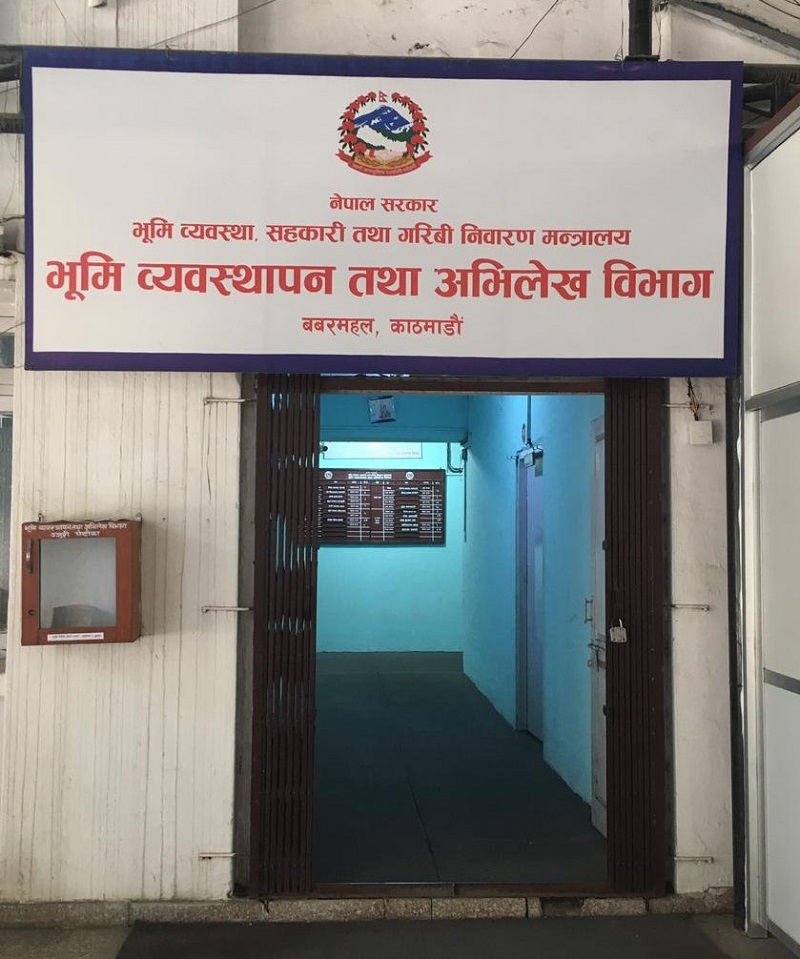
According to the official monthly report published by the Department of Land Management and Archives, a grand total of 58,886 individual property transactions were systematically processed and registered nationwide during the month of Baisakh alone, signaling a strong revival for real estate enterprises.

Property Registration Figures Experience a Notable 6 Percent Monthly Hike
The newly released registration statistics indicate an upward trajectory for the property industry, marking a month-on-month transaction increase of nearly 6 percent compared to the immediately preceding month of Chaitra. Beyond this short term monthly gain, the comparative year-on-year data points to a deeper and more sustainable structural market expansion. During the exact same calendar period last year, the department registry captured slightly more than 52,000 completed property transfers across the country. The substantial volume growth achieved this year strongly suggests that renewed buying momentum is returning to the domestic market.
State Treasury Benefits From Improved Revenue Streams
In tandem with the expanding volume of land deeds changing hands, the government revenue collection from the real estate ecosystem has experienced a parallel improvement. The administrative data reveals that the state treasury successfully accumulated more than NPR 6.26 billion in total revenue purely from property transactions during the single month of Baisakh. This vital injection of public capital was aggregated through multiple standard fiscal touchpoints, including municipal registration fees, direct state service taxes, and corporate and individual capital gains taxes levied during land ownership changes.
Advertisement

Key Macroeconomic Factors Powering the Property Market Recovery
Independent market analysts and real estate experts have pointed to a collection of favorable macroeconomic factors that have collectively stimulated this sudden wave of property acquisitions. A primary catalyst behind the market acceleration is the ongoing trend of declining bank interest rates, which has made home loans and commercial land financing considerably cheaper for the general public. Additionally, significantly improved liquidity levels within the national financial system have prompted commercial banking institutions to aggressively market their credit products, effectively encouraging retail buyers and long term institutional investors to re-enter the sector.
Positive Structural Indicator for the Wider National Economy
The synchronized expansion of the land, housing, and construction markets is being widely celebrated by financial policymakers as a highly positive forward-looking indicator for the broader national economy. The real estate sector acts as a foundational pillar for domestic commerce, supporting a massive supply chain that encompasses cement factories, steel manufacturing units, interior design firms, and manual labor markets. An increase in real estate circulation directly accelerates the velocity of money within these allied industries, ensuring that enhanced property trading leads to broader job creation and increased financial stability across the country.
Optimistic Outlook for Developers and Prospective Land Buyers
As the real estate sector transitions into the remainder of the year, developers and land brokers are maintaining an optimistic outlook regarding future sales volumes. The combination of high banking liquidity, manageable mortgage costs, and simplified documentation processes handled by land revenue offices is expected to keep transaction rates steady in the coming months. For prospective homebuyers who had previously delayed their construction and acquisition plans due to high interest barriers, the current financial climate presents an ideal window to lock down long term property assets before market values adjust higher.
For More: Nepal Real Estate Transactions