Nepal Tourism Sector Suffers NPR 52.67 Billion Damage From Floods and Landslides

22nd September 2026, Kathmandu
A preliminary report reveals that recent floods in the Bhote Koshi and Trishuli rivers caused NPR 52.67 billion in damages to Nepal’s tourism sector. Discover the sector-wise impact, rescue updates, and proposed climate-resilient recovery plans for destinations like Rasuwa and Langtang.
Nepal Tourism Sector Suffers NPR 52.67 Billion Damage
Bhote Koshi and Trishuli Floods Caused NPR 52.67 Billion Damage to Nepal’s Tourism Sector: Report
A preliminary assessment report reveals that the devastating floods and subsequent landslides in the Bhote Koshi and Trishuli rivers have inflicted an estimated economic loss of NPR 52,67,45,76,500 (approximately $395 million USD) on Nepal’s tourism sector.
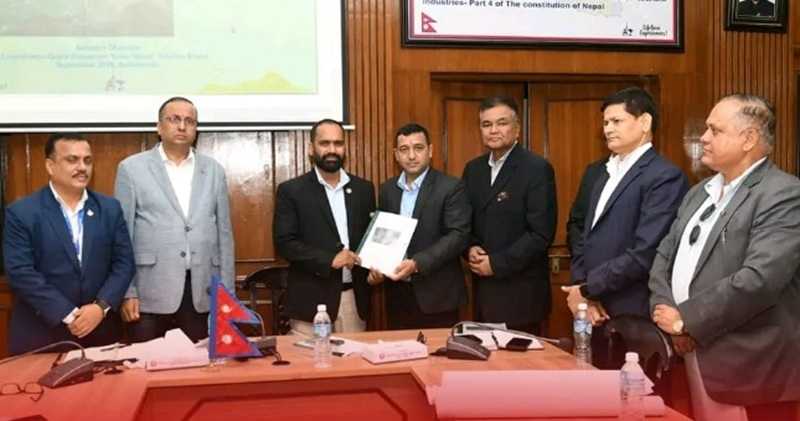
The findings were presented during a special discussion program on tourism impact and recovery at the Ministry of Culture, Tourism and Civil Aviation. Sahadev Dhamala, Coordinator of the Nepal Tourism Board’s Quick Response Team (QRT) and Executive Board Member, presented the preliminary report.
The event was held in the presence of Minister for Culture, Tourism and Civil Aviation Khadgaraj Paudel ‘Ganes’, alongside Ministry Secretary Mukunda Niraula, joint secretaries, branch chiefs, Nepal Tourism Board representatives, and key stakeholders from the private sector.

Key Highlights of the Tourism Sector Damage
According to the report, the disaster severely impacted tourism infrastructure, hotels, transport connectivity, trekking trails, and tourist management—particularly across the Rasuwa, Nuwakot, Dhading, and Gorkha districts.
The sector-wise breakdown of the estimated financial losses includes:
Hotel Businesses: NPR 19,56,04,48,000
Foreign Tourism Revenue: NPR 14,60,24,64,000
Manpower & Tourist Management: NPR 12,26,84,24,500
Heritage & Tourism Infrastructure: NPR 1,66,40,00,000
Vehicles and Transport: NPR 1,51,40,80,000
Restaurants: NPR 1,38,50,20,000
Langtang Region Business Turnover: NPR 1,27,64,40,000
Advertisement

Domestic Tourism Revenue: NPR 19,87,00,000
Rafting & Camping Sites: NPR 15,50,00,000
Trekking Trails: NPR 5,00,00,000
Rescue Operations and Human Impact
The disaster affected a total of 1,117 Nepali and foreign nationals, who were reported missing or impacted.
-
310 individuals were safely rescued (258 males and 52 females).
-
13 individuals have successfully re-established contact.
-
794 individuals remain out of contact, comprising 606 foreign nationals and 188 Nepalis.
Highlighting the rapid initial response, Nepal Tourism Board Senior Director Hikmat Singh Air noted that search and rescue operations were initiated within an hour of the incident in coordination with Tourist Police, travel and trekking agencies, and Kailash-Mansarovar tour operators.
Path to Recovery: Building Back Smarter and Safer
The committee has been entrusted with drafting a comprehensive tourism recovery plan to restore damaged infrastructure and establish robust future disaster preparedness frameworks.
The report emphasizes that post-disaster recovery must go beyond simply rebuilding physical structures. It stresses the urgent need to develop a safe, resilient, and sustainable tourism system capable of withstanding future climate-induced risks.
Key strategic recommendations include:
Climate Heritage Initiative: Developing the Rasuwa region into a long-term “Climate Heritage” zone.
24/7 Crisis Management: Institutionalizing a round-the-clock Crisis Cell and QRT within the Nepal Tourism Board for swift emergency response, backed by an allocated annual budget of NPR 10 million to 50 million.
What are your thoughts on how Nepal can best strengthen its tourism infrastructure against climate risks?
For more: Nepal Tourism Sector Suffers NPR 52.67 Billion Damage