CG Foods Nepal Reports Rs 11.35 Billion Revenue Amid Commodity Price Fluctuations

10th July 2026, Kathmandu
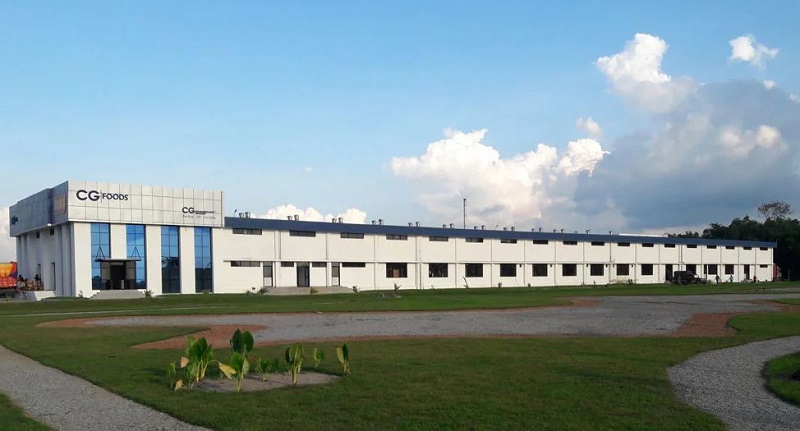
CG Foods Nepal Limited, the specialized fast-moving consumer goods vertical of the prominent Chaudhary Group, has announced its financial performance indicators for the fiscal year 2024/25 (FY 2081/82).
CG Foods Nepal Revenue
The manufacturing enterprise recorded a total annual operating revenue of 11.35 billion rupees.
The newly compiled turnover metrics reflect a mild 2.72 percent deceleration compared to the 11.67 billion rupees generated during the previous operational year. The financial updates reveal how the leading food and beverage production firm is handling changing retail demand patterns across municipal markets.

Evaluating Ten Year Growth Timelines and Heritage Partnerships
The industrial group noted that its overall topline revenue has shown normal fluctuations over the past ten-year timeline. The company achieved its highest historical earnings milestone during the fiscal year 2079/80, when cumulative annual sales peaked at 12.51 billion rupees before stabilizing downward.
The manufacturing firm remains one of the oldest and most successful fast-moving consumer goods operators in South Asia. The business initialized its commercial production lines in 1984 through a close technical collaboration with Thailand’s Thai Preserved Food Factory, introducing packaged snacks to local consumers.
The company’s diverse consumer product portfolio depends heavily on several primary household names:
- Wai Wai instant noodles: This flagship product serves as the main source of income for the group, enjoying massive consumer recognition and market acceptance across all geographical regions.
- Quicks snacks: This sub-brand handles the extruded snack foods and crispy chips categories, catering to the growing ready-to-eat food sector.
- Rio fruit juices: This beverage line focuses on packaged fruit drinks, operating from automated production plants located within regional industrial corridors.
Despite experiencing intense competition from a wave of newly launched spicy noodle alternatives, the corporate directors stated that their main brands have successfully maintained their leading market share positions.
Analysis of Personal Stakeholder Equity Allocations
The corporate equity documentation outlines a concentrated shareholding network dominated by the core founding family members. Prominent industrialist Nirvana Chaudhary holds the largest individual stake, controlling approximately 76 percent of the total equity capital.
Advertisement

The remaining corporate ownership structures are distributed across institutional and individual partners:
- Apollo Investment Private Limited: This corporate investment house maintains a major block containing twenty percent of the equity registry.
- Varun Chaudhary: The corporate director holds an individual equity allocation representing around four percent of the investment baseline.
- Rahul Chaudhary: The executive manager holds a minor individual stake amounting to 0.2 percent of the enterprise shares.
Managing Commodity Price Shocks and Margin Recoveries
The financial management team stated that global economic developments directly impacted production costs over the past year. Sudden fluctuations in international commodity prices, broken shipping lines, geopolitical developments, and unstable foreign exchange rates raised input costs for key ingredients like palm oil and wheat.
These external factors caused the company’s operating profit margin to fall to 6.6 percent in the fiscal year 2081/82, down from 12.1 percent a year earlier. The management could not pass these high costs onto everyday consumers immediately without risking lower sales volumes.
However, provisional financial disclosures from the first nine months of the fiscal year 2082/83 point to a strong financial recovery. The operating profit margin bounced back up to 11.2 percent, supported by growing export sales to regional markets and a welcome drop in domestic wheat flour prices.
High Dividend Distribution Schedules and Bank Obligations
Despite dealing with temporary profit drops, the consumer goods manufacturer has maintained its generous dividend distribution policy for its core backers. The enterprise distributed approximately 92 percent of its net profits as cash dividends during the previous financial cycle.
This payout strategy grew even stronger during the first nine months of the current fiscal year, with the dividend payout ratio hitting 100 percent of generated earnings. This shows the company’s ability to generate steady internal cash flows even when market conditions shift.
The financial statement also shows that the corporation utilizes a total of 995 million rupees in short-term bank loans. These credit facilities are spread across multiple commercial banking partners to fund everyday raw material procurement, support factory assembly upgrades, and manage industrial working capital needs.
For More: CG Foods Nepal Revenue